
Oden — traditional Japanese simmered one-pot dish
Oden is a Japanese one-pot winter dish of assorted simmered ingredients served in a seasoned dashi broth. It varies by region and vendor and is commonly sold at specialist stalls and convenience stores.
Oden (おでん, sometimes called kantō-ni in older usage) is a classic Japanese one-pot dish of assorted ingredients gently simmered in a seasoned broth. Often eaten in cooler months, oden is served from street stalls, specialised shops, home pots and increasingly at modern convenience stores. The term covers both the cooking method and the mixed selection of items served together.
Image gallery
10 Images


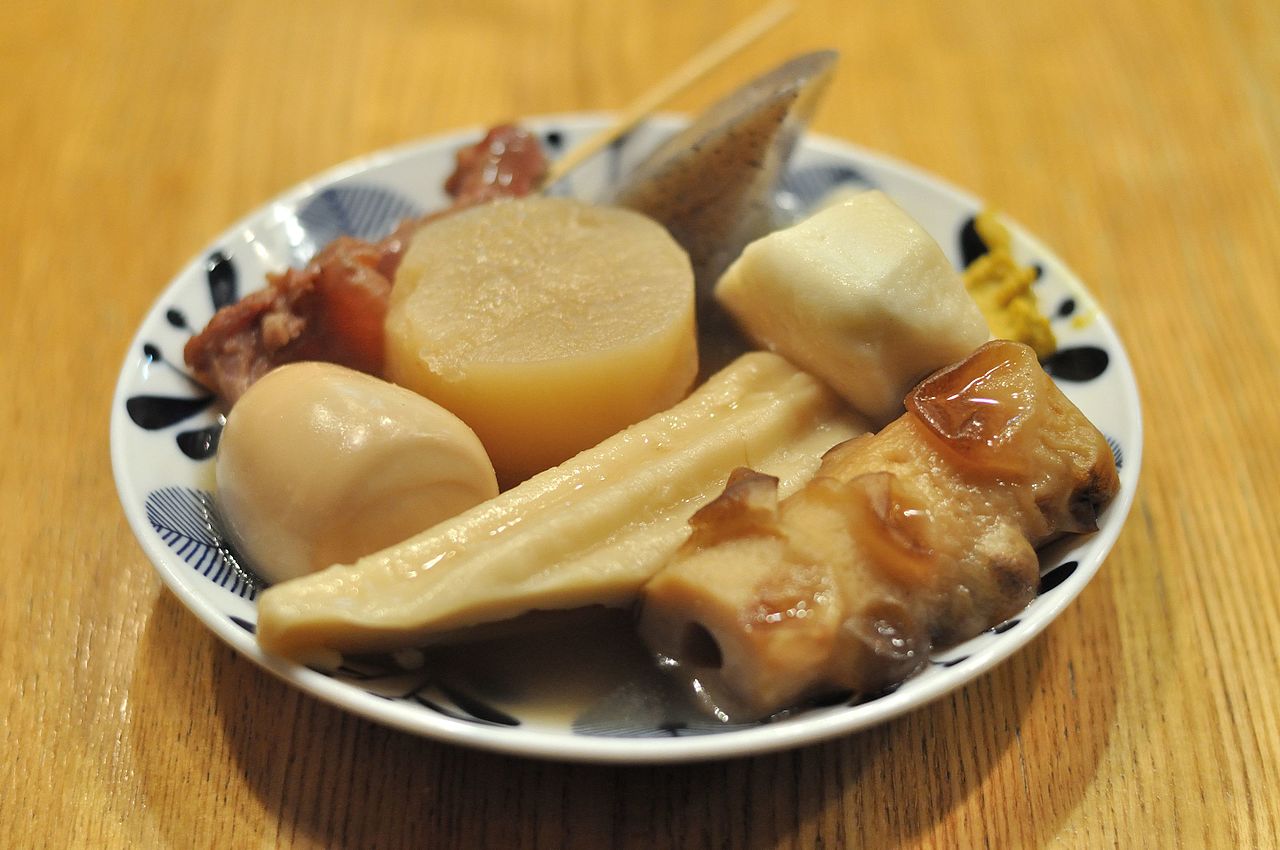


Typical ingredients
Oden commonly combines items that absorb the cooking liquid and develop mellow flavors. Typical examples include:
- Daikon (Japanese radish) and hard-boiled eggs
- Various fish cakes such as chikuwa, satsuma-age and hanpen
- Tofu products: fried tofu pouches (abura-age) often filled with mochi, and firm tofu preparations
- Konnyaku (yam cake), skewered items and root vegetables
Broth and preparation
The defining feature of oden is its broth, typically a clear dashi made from kombu (kelp) and katsuobushi (bonito flakes), light soy sauce and sometimes mirin for a touch of sweetness. Simmering is slow and gentle so ingredients absorb the stock; many vendors and households refresh or reuse the broth over days to deepen flavor. Equipment ranges from large communal pots to individual home-sized pots, and preparation can be adapted for home cooking or retail service.
Regional variation and service
Ingredients, seasonings and names vary across Japan. East–west differences affect stock strength and seasoning: some regions use darker, stronger soy-based broths while others keep a lighter kelp-forward base. Oden is commonly offered from food carts, dedicated shops, izakaya and convenience stores, and recipes will differ by shop and by family. It also connects to broader elements of Japanese cuisine and traditional stewing techniques.
Condiments, culture and history
Condiments such as hot Japanese mustard (karashi) or regional miso-based sauces are commonly paired with oden. The dish evolved from older simmered preparations and became a familiar form of street and home food by the Edo period, growing into a seasonal comfort food and a communal way to serve diverse ingredients. For details on commonly used components and cooking tips see general ingredient guides and articles on seasoned soups, and for contemporary retail context consult resources on retail convenience-store offerings.


Source
Oden originally comes from misodengaku, or dengaku (味噌田楽 for short). This involved cooking konnyaku or Tōfu and eating it with miso. Later, the ingredients were cooked in dashi instead of miso and gained popularity.
Variants
It comes in different variations and local idiosyncrasies. In Nagoya, miso is used as a dipping sauce and the dish is called Kantō ni (jap. 関東煮, Eng. "Kantō-veggartes") there, as oden originates from the Kantō region. In the Kansai region, oden is also known by the term Kantō daki (jap. 関東炊き, also 関東煮き, "Kantō-cooked food"), which is usually prepared spicier compared to the way it is prepared in the Kantō region.
· Different variations & ingredients of Oden
· 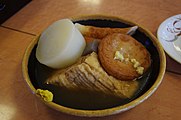
Oden plate, 2017
· 
With sausages, 2013
· 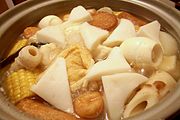
Oden stew, 2008
· 
Satsumaage - さつま揚げ 'Fried fish cake', 2016
· 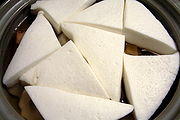
Hanpen - 半片 - a Surimi product, 2007
· 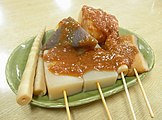
Miso Oden - 味噌おでん - In Spit, 2006
· 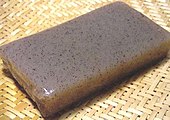
Konnyaku1 - 蒟蒻 - processed as a block form, 2004
· 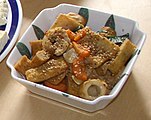
Spicy Korean Oden Plate, 2006
Note
1 Ita konnyaku (板こんにゃく, rarely 板蒟蒻, 板菎蒻 'konnyaku block') is a processed jelly-like block made from the flour of the konnyaku plant, more precisely konjac root, with bits of seaweed included.
Related articles
Author
AlegsaOnline.com Oden — traditional Japanese simmered one-pot dish Leandro Alegsa
URL: https://en.alegsaonline.com/art/71955