
Offal: animal organs, culinary uses and cultural perspectives
Offal denotes the internal organs and non-muscle parts of slaughtered animals. This article explains what offal includes, culinary uses, nutrition, cultural attitudes, and safety considerations.
Offal refers to the internal organs and other non-muscle parts of animals that remain after the primary cuts of meat have been removed. The term commonly covers a wide range of items from heart and liver to intestines and feet. In many languages and culinary traditions these parts have long been used for food, while in other places they are less commonly eaten or regarded with distaste.
Image gallery
10 Images
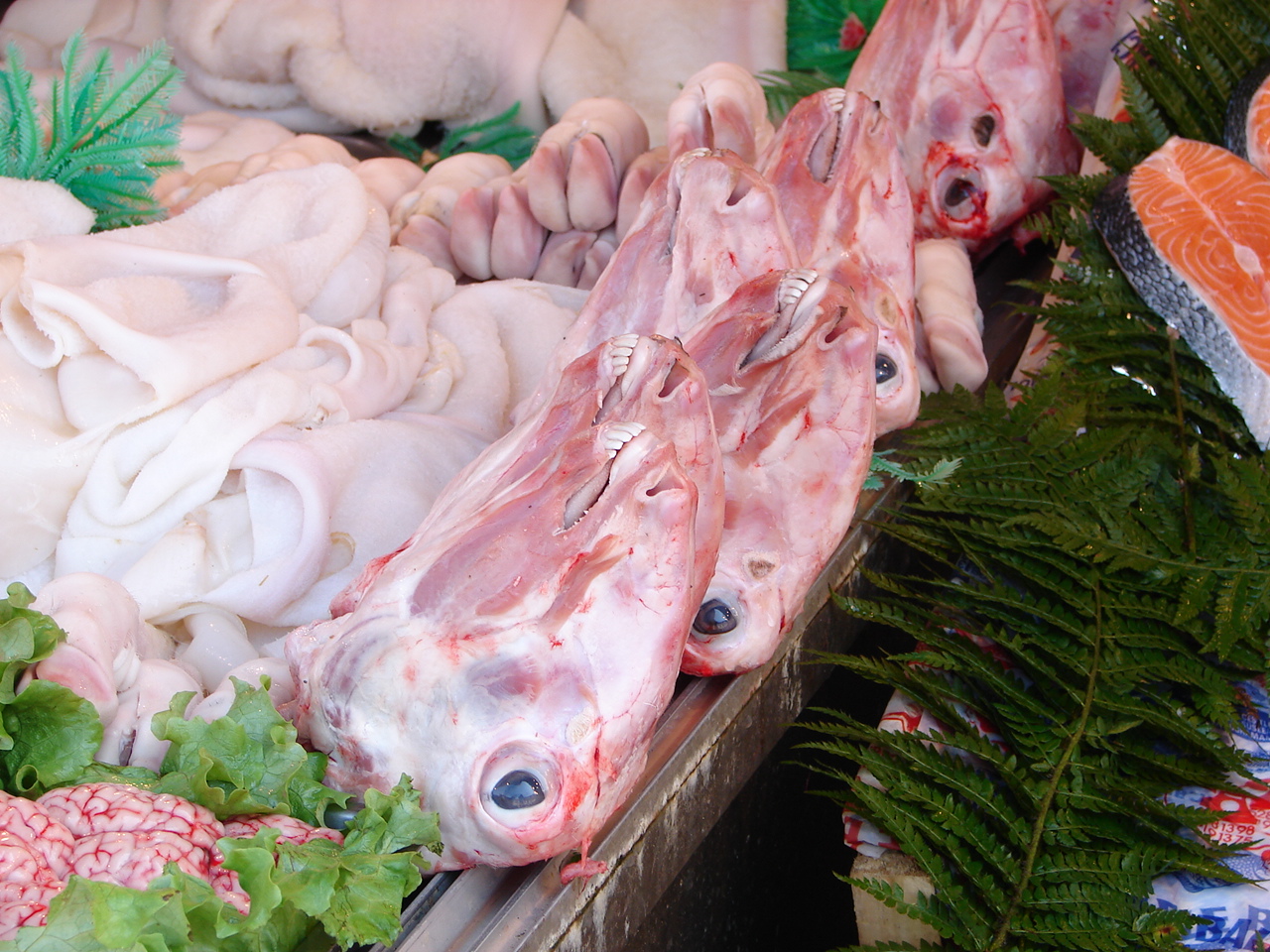


Common components
Offal includes edible organs and connective parts, often grouped under names such as "variety meats" or, for birds, "giblets." Typical items are:
- heart and other muscular organs
- kidneys, which process waste products
- lungs and respiratory tissues
- intestines, used fresh or cleaned for casings and dishes
- brains, prized in some cuisines
- tongue, tail, feet and other peripheral parts
History and culinary roles
Historically, using all parts of a slaughtered animal was practical and economical. Many traditional recipes arise from this practice: stews, sausages, pâtés, fermentations and stewed dishes often rely on offal for flavor and texture. Classic examples include liver preparations, blood-based sausages, and slow-cooked organ stews. Different cultures and regions have developed distinctive techniques and recipes to transform these materials into celebrated foods.
Nutrition, safety and processing
Organ meats are often nutrient-dense, supplying vitamins (notably B vitamins and vitamin A), minerals such as iron and zinc, and concentrated protein. They can also be high in cholesterol. Because organs perform biological functions, they can carry contaminants or pathogens if not handled and cooked properly; modern processing, inspection and cooking standards aim to reduce such risks. Offal may also be rendered into pet food, animal feed, or industrial products when not destined for human consumption.
Cultural attitudes and terminology
Attitudes toward offal vary widely. In some cuisines offal is a delicacy and a routine ingredient; in others it may be viewed as undesirable or taboo. Where it is eaten regularly, offal often forms the basis of distinct dishes and food cultures. Discussions about offal intersect with broader issues of sustainability, food waste reduction and nose-to-tail cooking.
Notable distinctions and further reading
Different terms and practices apply: butcher's terms such as "variety meats," culinary names like "giblets," and region-specific specialties. For more on particular organs and recipes see resources on individual items such as regional cuisines that use offal and perspectives on social attitudes, including why some communities consider consumption unusual or prohibited (cultural taboos).
For specific information about handling, preparation techniques and nutritional content, consult dedicated food-safety and culinary sources: organ-specific guides are available for heart, kidneys, lungs, intestines, brains and tongue. General overviews of cultural practices and modern uses can be found through comparative food culture summaries (see regional examples) and discussions of taboos and acceptance (social perspectives).

See also
- Liver dumplings - Berlin-style liver - Marrow dumplings - Beuschel (intestines) - Lung sausage (cabbage sausage)
- Testicles (count as foodstuffs under offal)
- visceral inspection (hieroscopy: divination from the entrails of slaughtered animals)
Related articles
Author
AlegsaOnline.com Offal: animal organs, culinary uses and cultural perspectives Leandro Alegsa
URL: https://en.alegsaonline.com/art/72027
Sources
- offalgood.com : "What is Offal?"