
Okonomiyaki — Japanese savory pancake and regional styles
Okonomiyaki is a Japanese savory pancake of batter, cabbage and varied fillings. Covers ingredients, preparation, major regional styles (Osaka/Kansai and Hiroshima), history, toppings and variations.
Overview
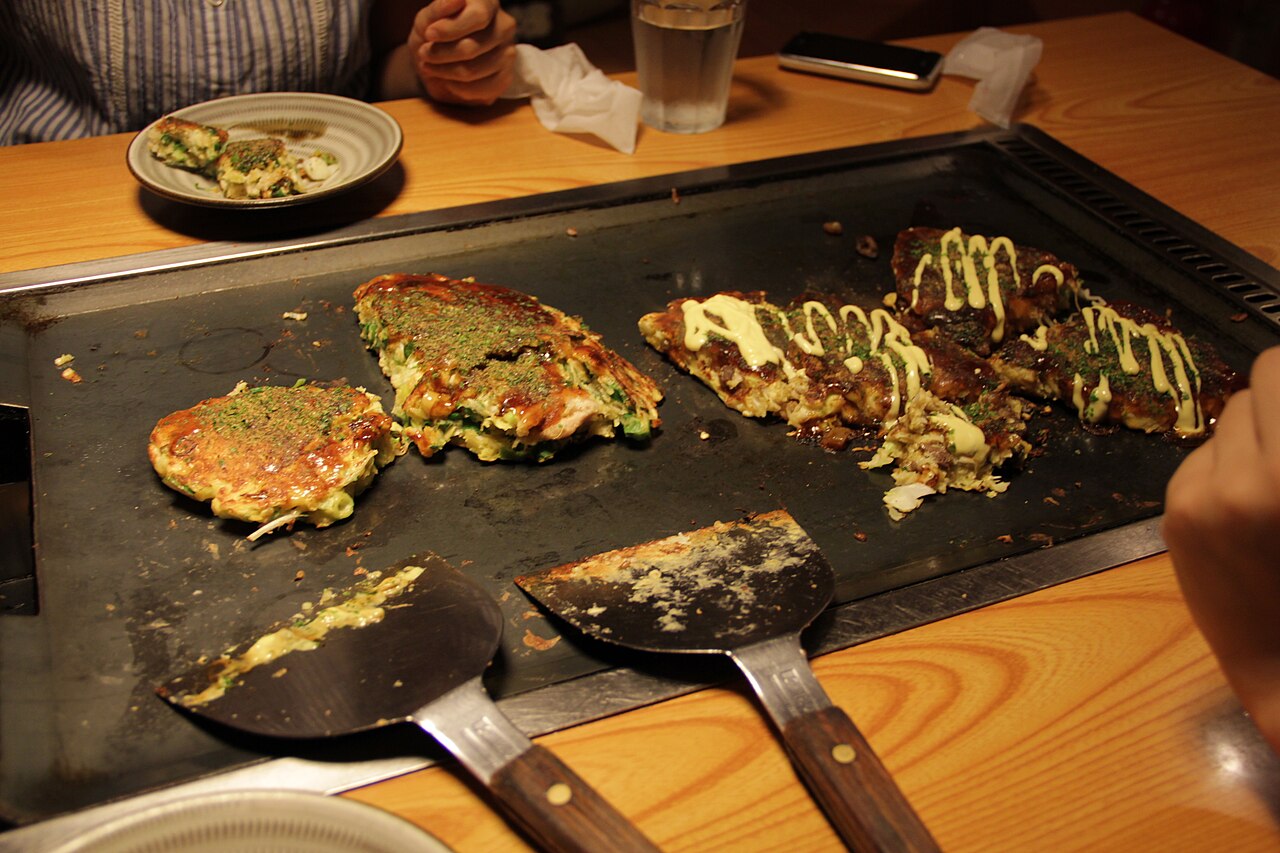
Okonomiyaki (お好み焼き) is a savory Japanese pancake made from a wheat‑based batter combined with a variety of ingredients. The name literally means "grill what you like" or "cook to taste," reflecting the dish's customizable nature. Okonomiyaki is commonly found in both casual restaurants and street stalls across Japan and is often prepared on a hot iron griddle called a teppan, either by the cook or by diners themselves.
Image gallery
8 Images





Typical ingredients and toppings
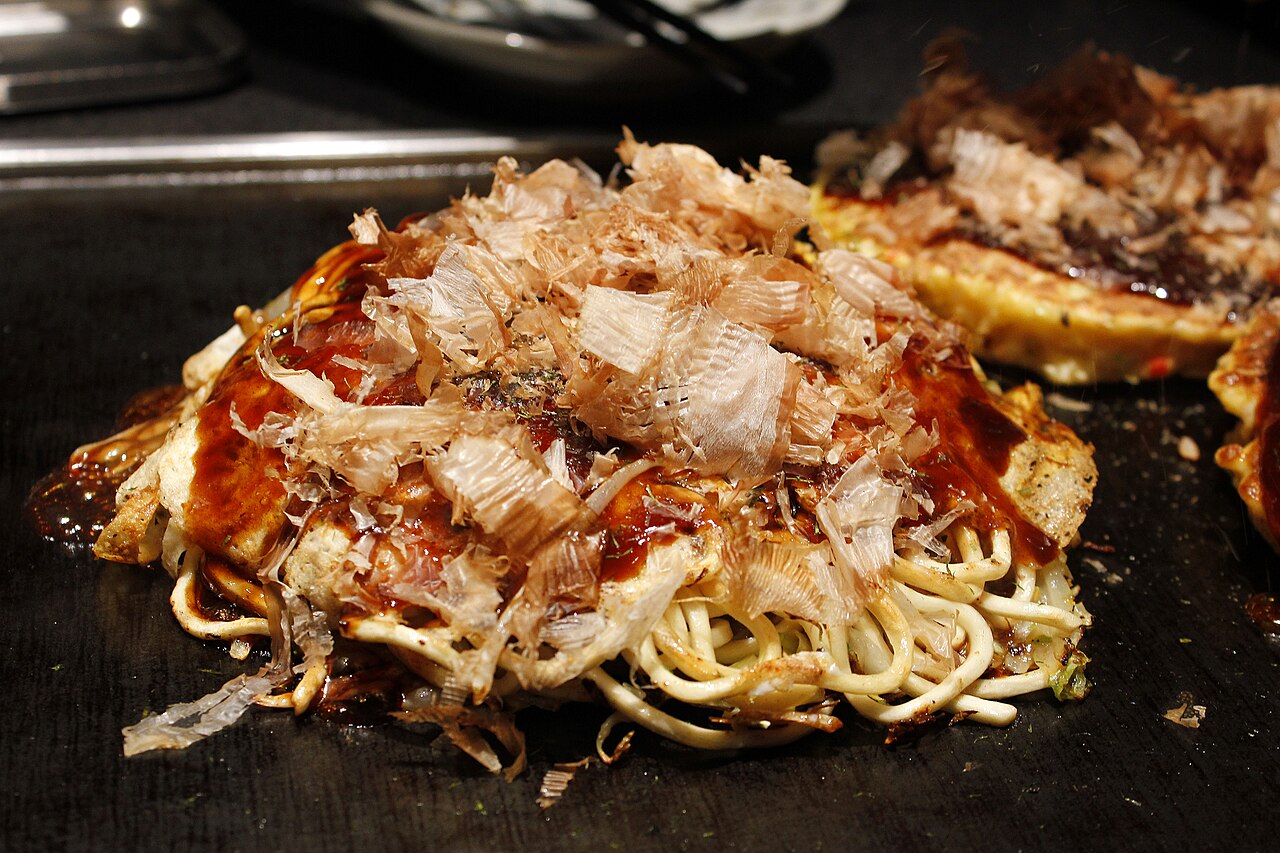
Although recipes vary, most okonomiyaki include shredded cabbage mixed into batter, along with optional additions such as pork, seafood (shrimp, squid, octopus), green onion, and tempura scraps (tenkasu). The batter usually combines flour with water or dashi stock; some home cooks add grated yam (nagaimo) for a lighter texture. After cooking, the pancake is commonly finished with a thick, sweet‑savory okonomiyaki sauce, mayonnaise, aonori (seaweed flakes), and katsuobushi (bonito flakes).
Major regional styles
Okonomiyaki has recognizable regional variations. In the Kansai region, especially Osaka, ingredients are mixed into the batter before frying and the pancake is cooked as a single, cohesive cake. By contrast, the Hiroshima style stacks layers—batter, a large quantity of cabbage, bean sprouts, noodles (yakisoba or udon) in many cases, and finally an egg—resulting in a taller, layered dish. Both styles are widely enjoyed and have loyal local followings.
History and development
The dish evolved from simple fried batter snacks and pancake‑like foods that existed across Japan. In the decades around World War II and its aftermath, okonomiyaki gained wider popularity as an inexpensive, filling meal that could incorporate small amounts of protein and vegetables to feed many people. Regional adaptations developed over time; for example, Hiroshima's version grew in part from efforts to make a hearty meal from limited wartime and postwar resources.
How it is served and eaten
Okonomiyaki is often served piping hot directly from the griddle. In specialist restaurants diners may cook their own pancakes at the table on a built‑in teppan, which makes dining a social, interactive experience. Street vendors and casual eateries serve ready‑cooked portions. Because of the layered textures and rich condiments, it is typically eaten with a small spatula called a kote or directly with chopsticks.
Variations, cultural notes, and modern trends
Beyond the Osaka and Hiroshima styles, many locales offer their own takes; Tokyo has closely related monjayaki, a looser, gooier batter cooked on a griddle. Contemporary variations include vegetarian or vegan versions, gourmet ingredients such as cheese or truffles, and fusion recipes that reinterpret okonomiyaki for global palates. The dish remains a beloved example of communal, customizable comfort food in Japanese cuisine.
Common ingredients and toppings (summary)
- Base: flour, water or dashi, sometimes grated yam
- Vegetable: shredded cabbage, green onion
- Proteins: pork belly, seafood, octopus, beef
- Toppings: okonomiyaki sauce, Japanese mayonnaise, aonori, katsuobushi
Okonomiyaki's flexibility—both in composition and in how it is eaten—helps explain its enduring popularity across regions and generations. Whether enjoyed at a busy street stall, a family kitchen, or a teppan‑style restaurant, it remains a practical and convivial dish that invites personalization.
Related articles
Author
AlegsaOnline.com Okonomiyaki — Japanese savory pancake and regional styles Leandro Alegsa
URL: https://en.alegsaonline.com/art/72234
Sources
- commons.wikimedia.org : Okonomiyaki
- books.google.com : What's What in Japanese Restaurants: a Guide to Ordering, Eating, and Enjoying, p. 102