
Odinani: The Traditional Religion of the Igbo
Odinani is the indigenous religious system of the Igbo people of southern Nigeria, combining belief in a supreme creator with veneration of ancestors, local deities, divination, and community rites.
Odinani is the indigenous spiritual tradition of the Igbo people of southern Nigeria. It centers on a belief in a single supreme source while also recognizing many local forces and spirits. Scholars often describe Odinani as having both monotheistic and panentheistic elements: a high God who is the origin of existence and a reality in which lesser beings and the living world participate. The supreme deity is commonly called Chukwu or Chineke; communities and individuals relate to this supreme being through intermediaries and ritual practice, even as they regard that being as the ultimate source of all things (the one God).
Image gallery
10 Images


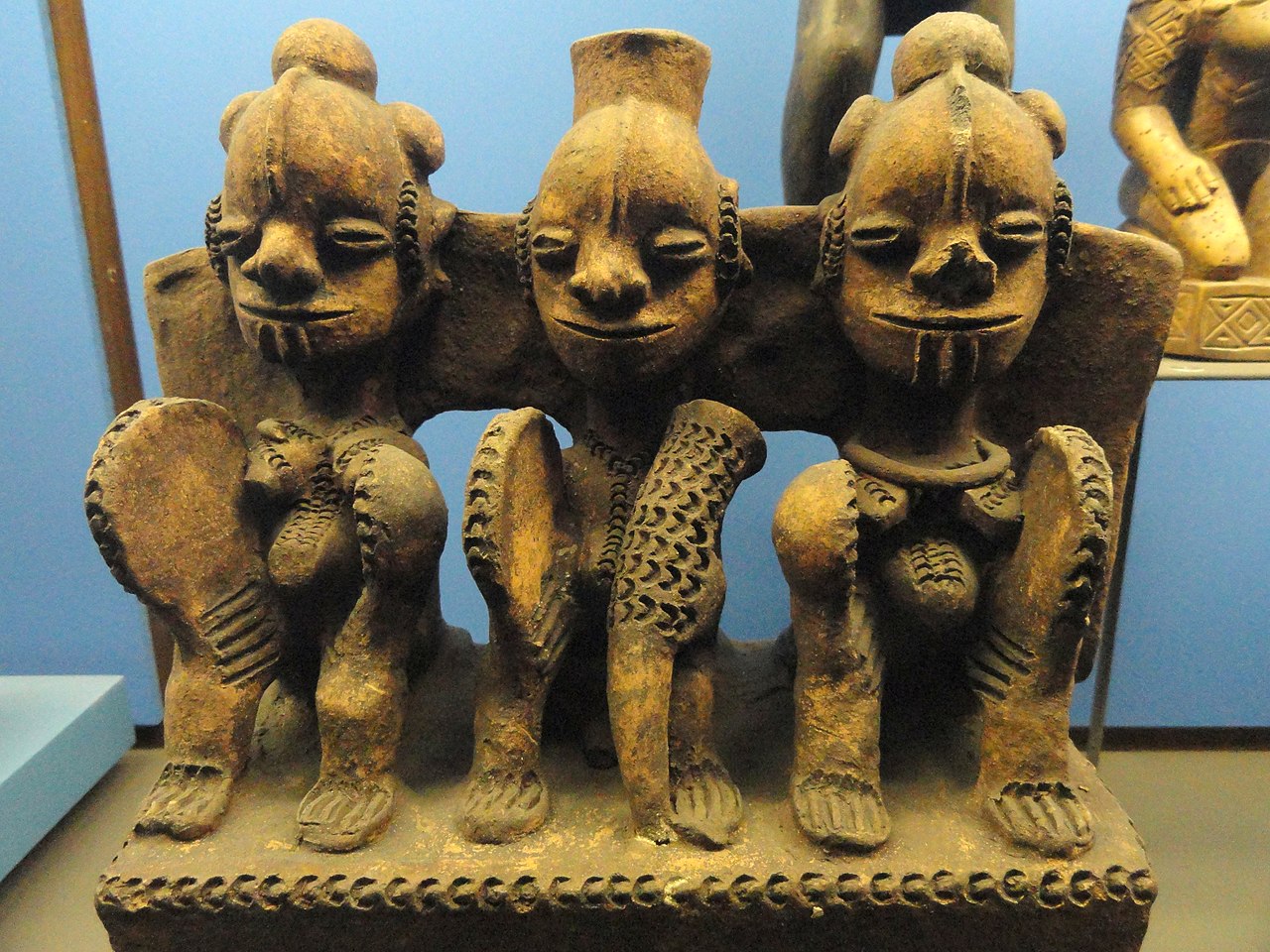
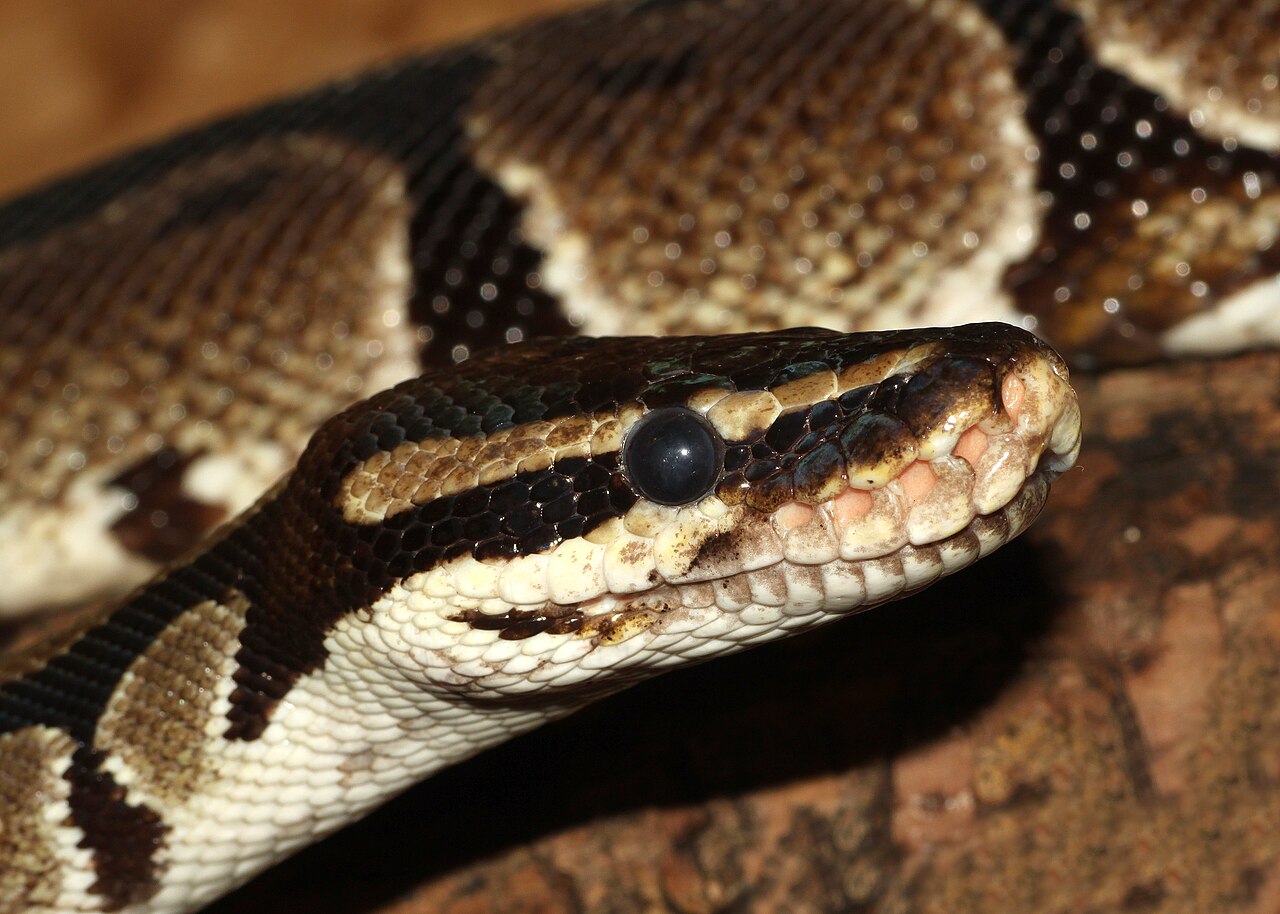


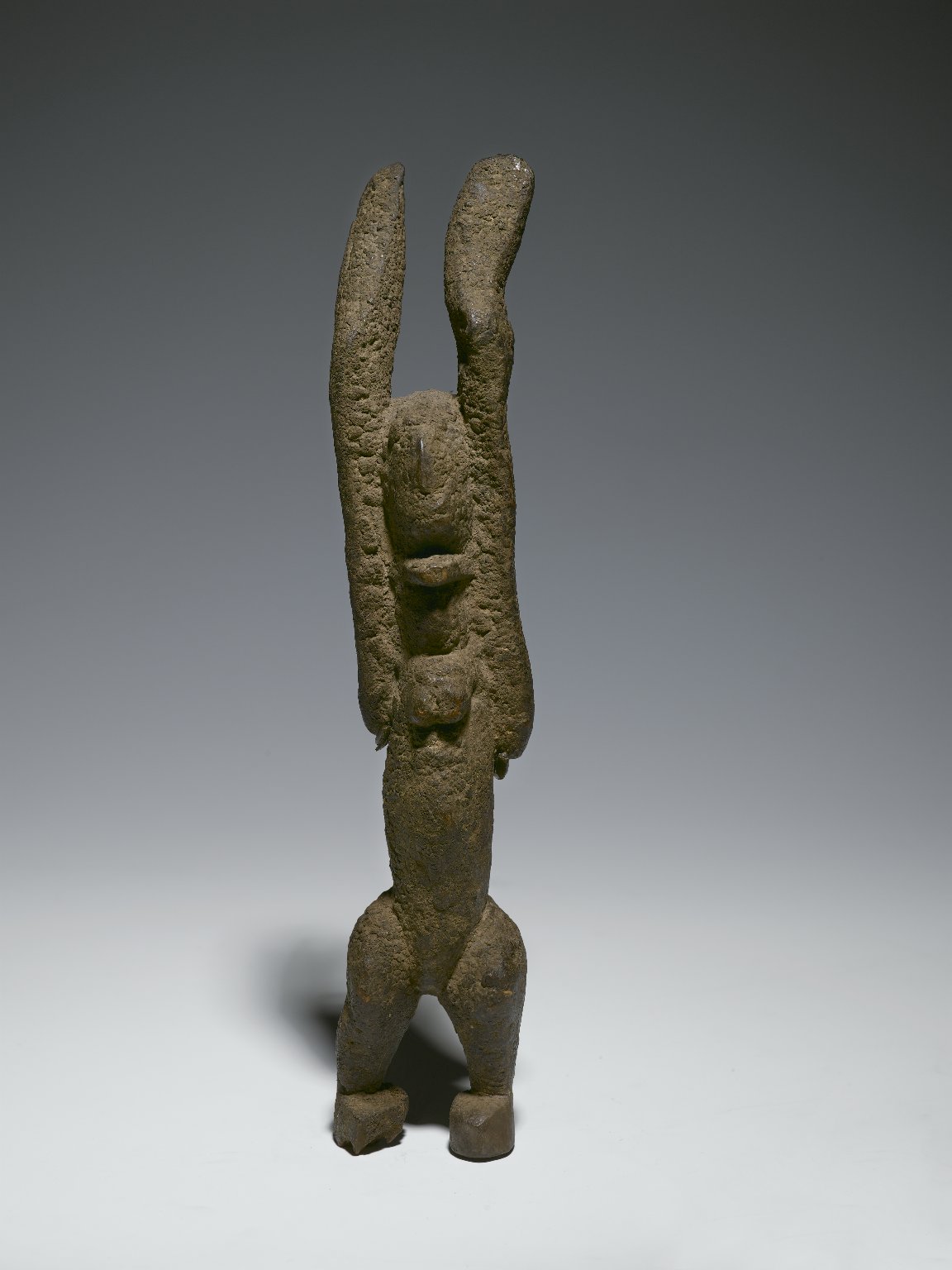
Core beliefs and principal beings
Odinani distinguishes several kinds of spiritual agents that shape daily life and moral order. Prominent among these are:
- Chi: a personal spiritual double or guardian associated with an individual's destiny.
- Ala: the earth goddess, custodian of fertility, land, and moral laws.
- Ancestors: deceased relatives who are venerated and consulted as part of family and community continuity.
- Nature spirits and deities: such as local thunder, river, and forest spirits that protect or punish according to custom.
Rituals, practitioners, and social role
Ritual life in Odinani includes libations, offerings, festivals, rites of passage (birth, marriage, death), and rites to mark planting and harvest. Divination is important for personal and communal decisions and is often carried out by a trained specialist called a dibia (diviner/healer). These practitioners also perform healing, conflict mediation, and the interpretation of omens. Many rites reinforce community norms: taboos, land tenure, and justice are frequently expressed in religious terms.
History and modern developments
Before colonial contact, Odinani guided social institutions, law, and agriculture across Igboland. During the colonial period and the spread of Christianity, many practices were suppressed or transformed; some rituals were abandoned, while others were adapted or practiced alongside Christian forms. In recent decades there has been renewed scholarly and cultural interest in Odinani, including efforts to preserve festivals, oral literature, and traditional knowledge within a modern, plural religious landscape.
Distinctive features and notable points
Odinani is notable for combining a belief in a supreme, creative force with active veneration of ancestors and local spirits. It lacks a single centralized priesthood, so rituals and emphasis vary by village and lineage. The system ties spiritual obligations to social responsibilities: respect for the earth, elders, and communal law is as much religious as it is civic. Today Odinani remains an important element of Igbo identity, influencing art, proverbs, and communal celebrations even among those who practice other faiths.
Related articles
Author
AlegsaOnline.com Odinani: The Traditional Religion of the Igbo Leandro Alegsa
URL: https://en.alegsaonline.com/art/71972
Sources
- nigerdeltacongress.com : "On Odinani, the Igbo Religion"