
Old Calendarists (Eastern Orthodox traditionalists)
Eastern Orthodox groups that rejected early 20th‑century calendar reform and continue using the old Julian liturgical calendar; they formed separate jurisdictions and emphasize continuity of tradition.
Overview
Old Calendarists are adherents and groups within Eastern Orthodoxy who rejected the calendar reform introduced in the early 20th century and continue to use the traditional Julian calendar for liturgical observances. The term covers a range of jurisdictions and communities that separated from their parent churches over what they view as an unacceptable innovation affecting the rhythm of church life.
Image gallery
1 Image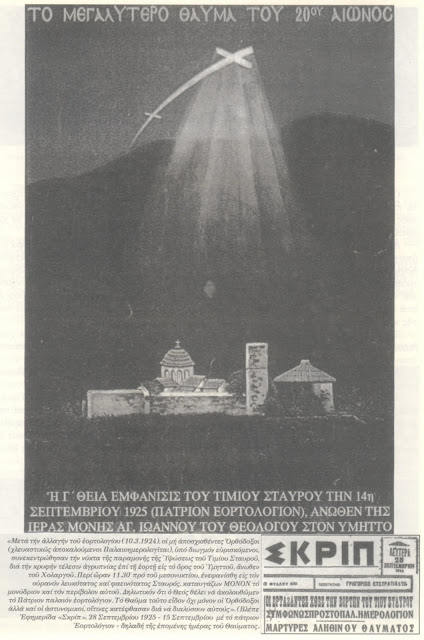
Key characteristics
- Liturgical calendar: Old Calendarists keep the Julian calendar (often called the "old calendar") for fixed feast days, maintaining the traditional dates for saints' days and feasts.
- Attachment to tradition: Resistance to the revision is usually framed in terms of preserving received practice and resisting modernizing changes.
- Ecclesial separation: Many Old Calendarist groups formed separate hierarchies and parishes, while others remained within their original churches but kept old usages.
- Internal diversity: These communities are not uniform—there are varying degrees of separation, differing stances on intercommunion, and debates about the proper calculation of Pascha (Easter).
History and origin
The dispute originated after church authorities proposed a revised calendar in the early 1900s to bring fixed feast dates into closer alignment with the civil calendar used in much of the world. That reform, often associated with a 1920s effort to standardize dates, was adopted by some Orthodox churches and rejected by others. In places where the change was implemented, the decision produced resistance among clergy and laity who regarded the alteration as a break with tradition and, in some cases, led to formal schisms.
Contemporary presence and importance
Old Calendarist communities exist today in various countries and in diaspora, maintaining separate parishes, monasteries and hierarchies in some cases. For members, the calendar stands as an emblem of continuity, identity and fidelity to ancestral liturgical practice. The question of calendar observance also intersects with broader debates about authority, tradition and adaptation within Orthodoxy.
Notable distinctions and issues
Old Calendarists should not be seen as a single monolithic body: differences include whether groups accept sacraments performed by churches using the revised calendar, and whether they follow the Julian method for calculating Pascha. Over the decades there have been efforts at dialogue and occasional reconciliations, but calendar questions remain a visible marker of divergent attitudes toward change in Orthodox Christianity.
Related articles
Author
AlegsaOnline.com Old Calendarists (Eastern Orthodox traditionalists) Leandro Alegsa
URL: https://en.alegsaonline.com/art/72262