
Obdurodon: an extinct toothed monotreme genus
Obdurodon is an extinct genus of monotreme related to the modern platypus. Fossils show adult teeth and a suite of features that help reconstruct early platypus evolution and diversity.
Overview
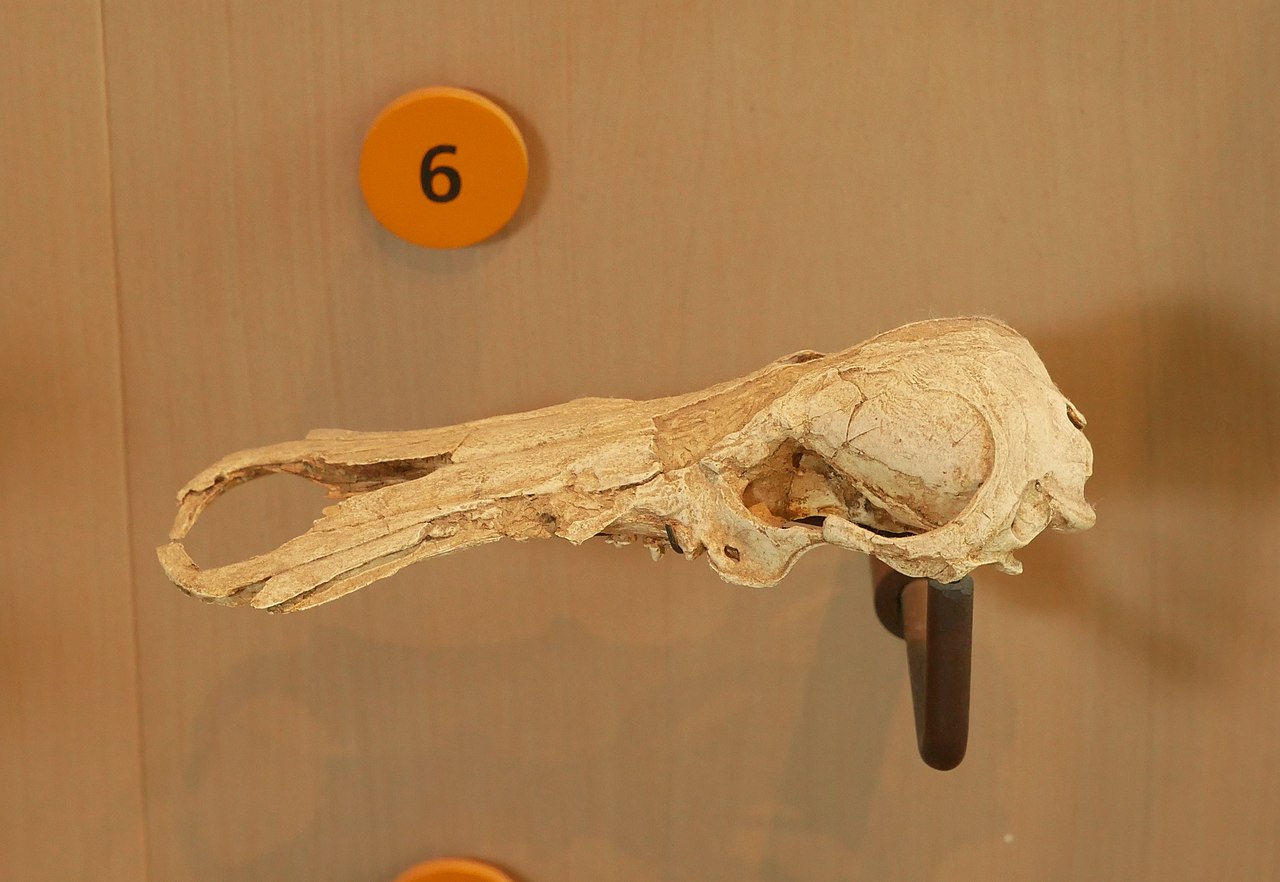
Obdurodon is an extinct genus of egg-laying mammals that belonged to the monotremes, the group that includes the living platypus. Known from fossil skulls and jaw fragments, Obdurodon is important because it retained functional teeth into adulthood, unlike the modern platypus which loses its teeth and develops horny pads for crushing food.
Image gallery
2 Images
Key characteristics
Fossils indicate a platypus-like skull and bill, but with a more complete dentition: molariform teeth were present and used for processing prey. Anatomical features suggest an aquatic or semi-aquatic lifestyle, with a diet likely composed of invertebrates and small aquatic animals. As a monotreme, it probably combined reptile-like reproductive traits (egg laying) with mammalian characteristics such as fur and lactation.
Fossil record and discovery
Remains of Obdurodon have been recovered primarily from sedimentary deposits where ancient waterways once existed. Paleontologists have described several species based on differences in skull and tooth morphology. These fossils bridge gaps in our understanding of monotreme evolution by showing that early relatives of the modern platypus retained teeth and displayed greater morphological diversity.
Significance and interpretation
Studying Obdurodon helps scientists reconstruct how the distinctive features of the living platypus evolved. The presence of adult teeth indicates a different feeding strategy and ecological role compared with its modern counterpart. These differences highlight an evolutionary trend within platypus relatives toward tooth loss and specialized bill feeding.
Distinctions from living platypus
- Teeth: Adult Obdurodon retained molar teeth; the modern platypus does not.
- Size and skull shape: Some species of Obdurodon appear to have been larger or to have had differently proportioned skulls than the contemporary platypus.
- Ecological role: Tooth retention implies differences in prey processing and diet.
For general context on monotremes and their evolutionary history, see resources on monotremes and their fossil record. Fossil genera such as Obdurodon underscore that the diversity of early monotremes was greater than what is represented by modern species alone.
Related articles
Author
AlegsaOnline.com Obdurodon: an extinct toothed monotreme genus Leandro Alegsa
URL: https://en.alegsaonline.com/art/71660
Sources
- species.wikimedia.org : Obdurodon