
Baldwin apple: history, characteristics, and uses
The Baldwin is a bright red winter apple once dominant in New England and New York. Valued for storage, shipping, cooking and cider, it remains an heirloom variety with historical and culinary importance.
Overview
The Baldwin apple is a bright red winter apple historically grown in eastern North America. Celebrated for its firm texture and reliable keeping qualities, it was for many decades one of the most popular commercial apples in New England and New York and a common choice for export. Today it is often treated as an heirloom or specialty variety.
Image gallery
5 Images


Appearance and qualities
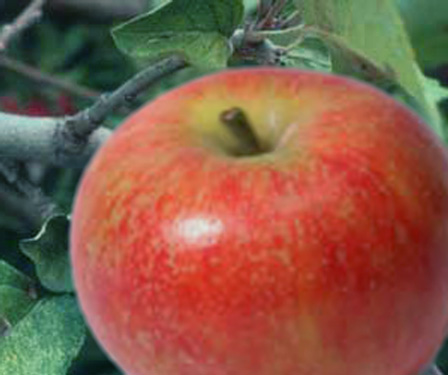
The fruit is typically medium to large with a glossy, deep red skin that may be streaked or blushed. Flesh is crisp and fine-grained, with a balanced sweet-tart flavor that intensifies after storage. As a winter apple it stores well, becoming firmer and more flavorful in cold storage, and it tolerates shipment without rapid deterioration.
History and origin
The Baldwin's origins lie in New England in the late 18th century and it became closely associated with Massachusetts and neighboring states. The name commemorates the Baldwin family, and the cultivar was widely propagated from local nurseries and orchards. Its reliability and hardiness helped it spread rapidly and become emblematic of northeastern U.S. pomology in the 19th century. For regional background see New England apple history.
Uses and importance
Because of its firm flesh and concentrated flavor, the Baldwin has been prized both as an eating apple and for culinary purposes. It holds its shape when baked or stewed, making it popular for pies and preserves, and was also valued in traditional hard cider blends. Its good shipping qualities supported commercial trade and export; more on trade and varieties is available here. Horticultural information can be found via general cultivar references at Baldwin apple resources.
Decline, revival, and notable facts
Plantings of the Baldwin declined in the 20th century as newer cultivars, changing market preferences and orchard challenges shifted commercial choices. However, the variety persists in heritage orchards and among specialty growers, and it is sometimes included in revival projects seeking to preserve older apple types. It is also known in older sources by synonyms such as "Baldwin's Pippin" or "Woodpecker."
- Season: Winter apple, stores through cold months.
- Uses: Fresh eating, baking, cider, shipping.
- Notable: Historically dominant in northeastern U.S. apple culture.
Tags
Related articles
Author
AlegsaOnline.com Baldwin apple: history, characteristics, and uses Leandro Alegsa
URL: https://en.alegsaonline.com/art/8470
Sources
- fedcoseeds.com : fedcoseeds.com
- westcountycider.com : westcountycider.com
- tools.wmflabs.org : 42°31′58″N 71°10′34″W / 42.5329°N 71.1760°W / 42.5329; -71.1760