
Amerigo Vespucci: Italian Navigator and Namesake of the Americas
Amerigo Vespucci, a 15th–16th century Italian navigator and cartographer, explored South American coasts, argued they formed a new continent separate from Asia, and lent his name to the Americas.
Amerigo Vespucci (9 March 1451 – 22 February 1512; some accounts give 1454 as his birth year) was an Italian merchant who became a navigator and mapmaker. Through a number of transatlantic voyages he explored parts of the South American coast and contributed to early European knowledge of the Western Hemisphere.
Image gallery
10 Images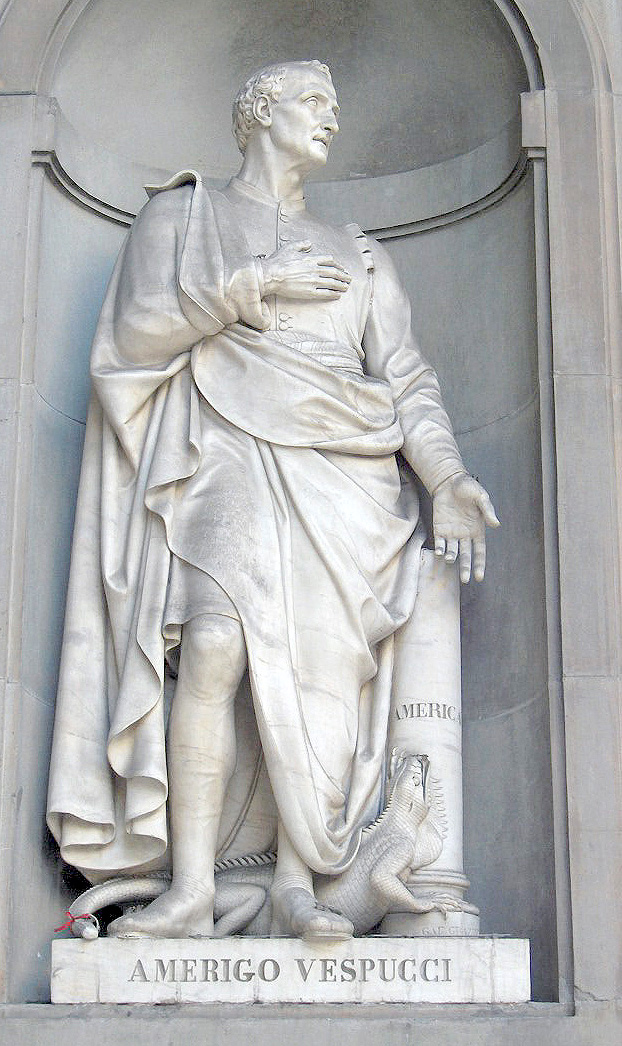


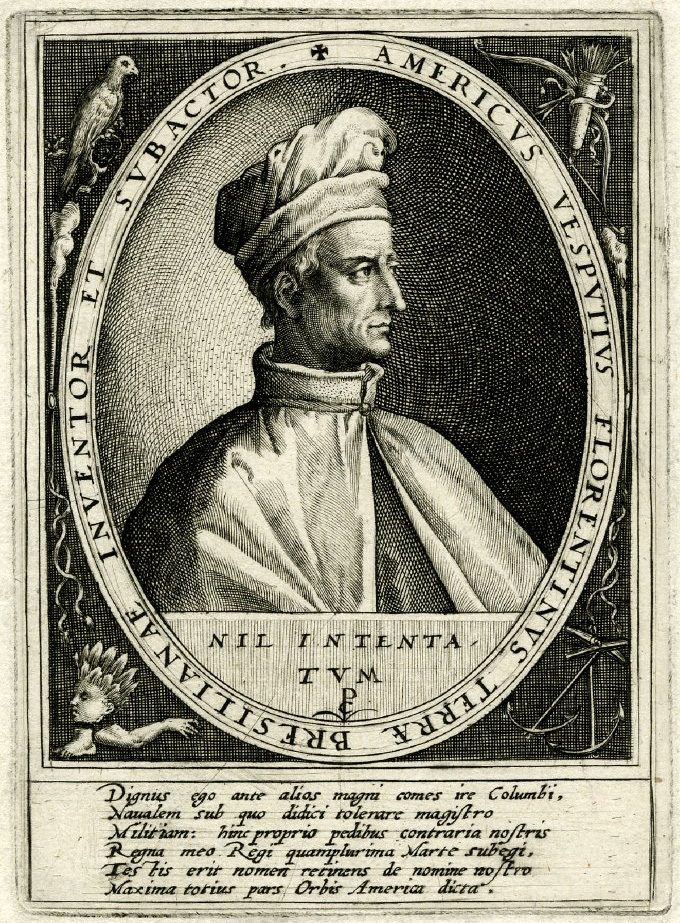
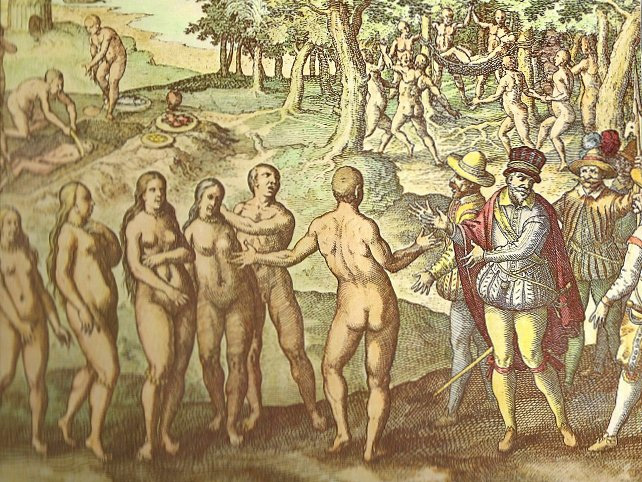

Voyages and the idea of a "New World"
After Christopher Columbus's 1492 crossing, European seafarers continued to chart the lands to the west. Vespucci argued — based on his own observations of coastlines, stars and the plants and peoples he encountered — that these lands were not the eastern reaches of Asia but instead represented a previously unknown landmass. Contemporary writers came to refer to this area as the New World, and Vespucci described it as a separate continent rather than part of Asia.
Name and commemoration
The name "America" derives from a Latin form of Vespucci's given name. Cartographers and scholars adopted a latinized masculine form, Americus, which was turned into the feminine geographic name now used in the plural: the Americas. Over time the labels for the two large landmasses north and south of the isthmus became fixed as North and South America, respectively.
Death and legacy
Vespucci died on 22 February 1512; historical accounts record the cause of death as malaria. His letters and the maps that followed played a significant role in how Europeans understood and named the lands across the Atlantic.
Related articles
Author
AlegsaOnline.com Amerigo Vespucci: Italian Navigator and Namesake of the Americas Leandro Alegsa
URL: https://en.alegsaonline.com/art/113976