
Azuki bean (adzuki): small red bean of East Asian cuisine
Azuki (adzuki) is a small red legume (Vigna angularis) widely cultivated in East Asia. Valued for its sweet paste, savory uses, and nutrition, it appears in many traditional dishes and ceremonial foods.
Overview
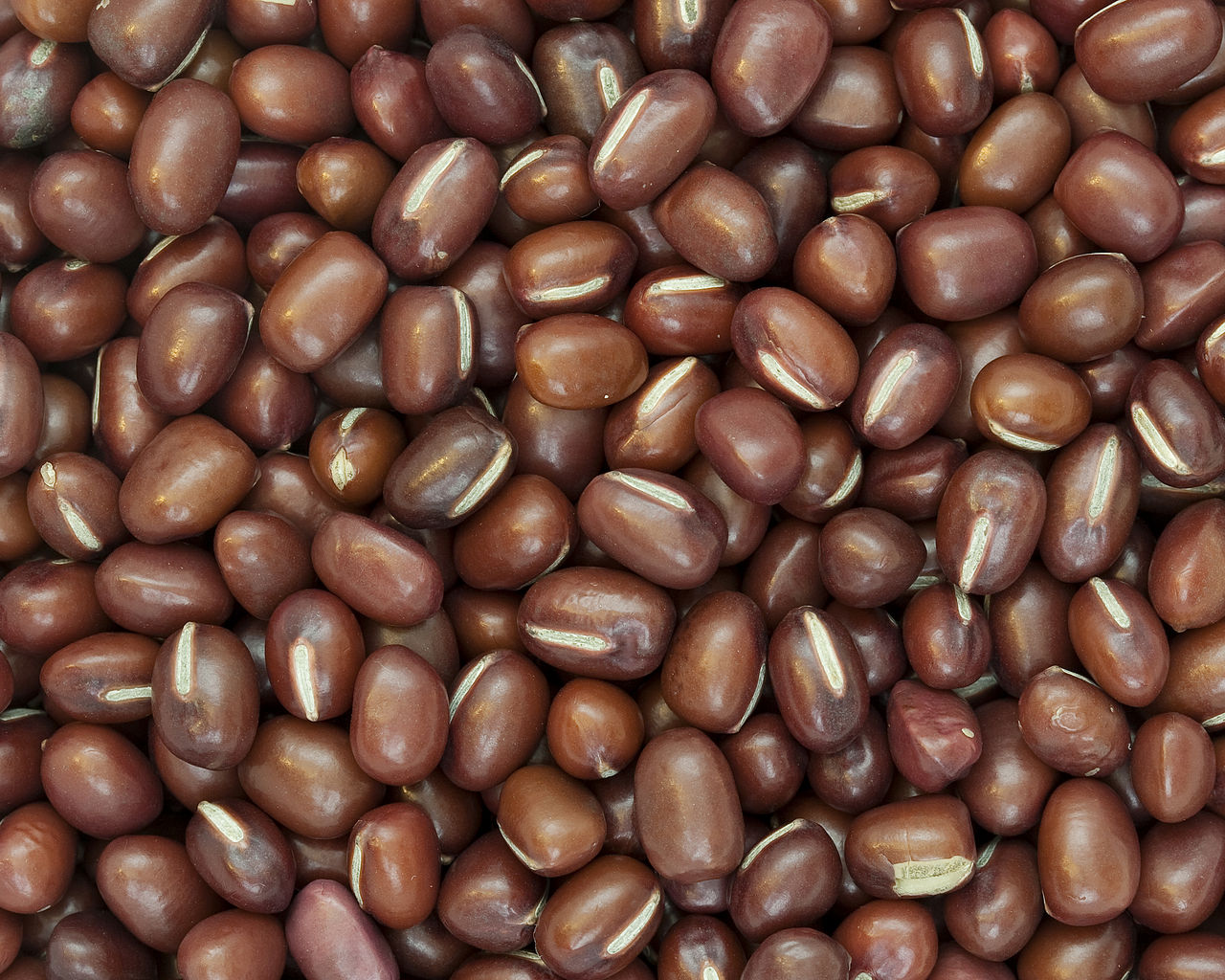
The azuki bean (also spelled adzuki) is a small, usually red-brown legume of the species Vigna angularis. Native to East Asia and the Himalayan region, it has been cultivated for millennia and remains a staple ingredient across China, Japan, Korea, and Vietnam. The bean is prized both for its mild, slightly sweet flavor and for its versatility in sweet and savory preparations.
Image gallery
10 Images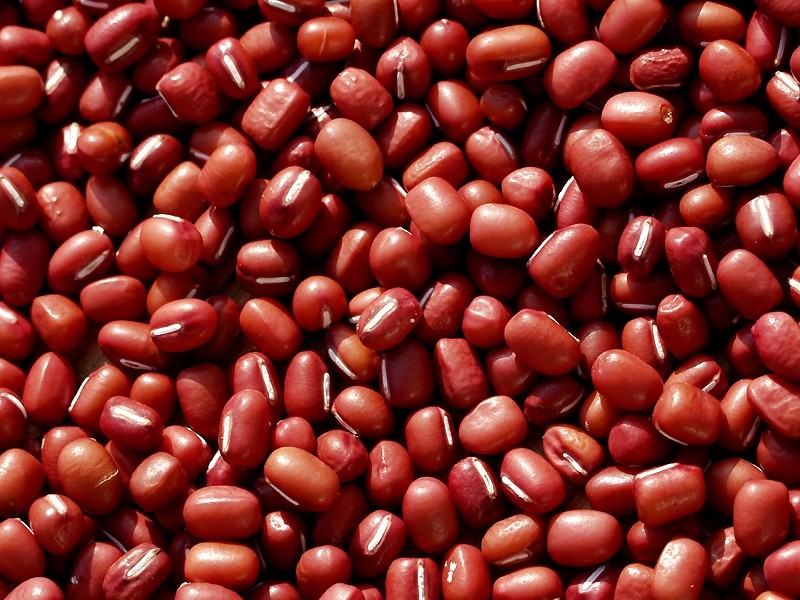


Characteristics and cultivation
Azuki beans are typically 3–5 mm long and have a smooth, glossy surface. Beyond the common red variety, there are darker and mottled types. The plant is an annual vine or bush that grows in temperate to subtropical climates and is raised in small-scale and commercial farms. Cultivation practices emphasize well-drained soil and moderate water; like other legumes, azuki fixes nitrogen into the soil and can be part of sustainable crop rotations.
Culinary uses and examples
One of the best-known products made from azuki is sweet red bean paste, called anko in Japanese and used as a filling or topping for confections such as mochi, dorayaki, and steamed buns. In Korea, sweetened azuki paste appears in desserts and shaved-ice dishes; in China it is common in pastries and soups. Savory uses include mixing beans with rice for celebratory dishes, such as the Japanese sekihan (red rice), and adding cooked azuki to salads or stews for extra texture and protein.
Preparation and recipes
Azuki beans are usually soaked and boiled until soft, then sweetened for dessert pastes or mashed for soups and spreads. Traditional methods slowly simmer the beans with sugar or malt to develop a deep flavor and smooth texture. They can also be sprouted, ground into flour for baking, or roasted as a snack. Home cooks and confectioners vary the sugar level and consistency depending on the intended use.
Nutrition and cultural importance
Azuki beans are a nutritious legume, supplying plant protein, dietary fiber, and micronutrients typical of beans. They are relatively low in fat and often recommended as part of balanced diets. Culturally, azuki carries symbolic significance in many East Asian societies: its red color is associated with good fortune and is used in celebratory foods and rituals.
Varieties, distinctions and notable facts
Several named varieties exist, distinguished by color, size, and culinary qualities. The term "red bean" can sometimes refer to other species in casual speech, so precise identification (Vigna angularis) helps avoid confusion. Unlike larger common beans (Phaseolus spp.), azuki is small and particularly suited to sweet preparations in East Asian culinary traditions.
Further reading
Questions and answers
Q: What is the azuki bean?
A: The azuki bean is a type of reddish-brown colored bean that is often boiled in sugar to make a red bean paste.
Q: Where is the azuki bean grown?
A: The azuki bean is grown in East Asia and the Himalayas.
Q: What is the most common use of azuki beans in cooking?
A: The most common use of azuki beans in cooking is to make a red bean paste, which is used in Chinese, Korean, and Japanese cooking.
Q: Which countries use azuki beans in sweet meals, snacks and dishes?
A: Japan, China, Korea and Vietnam use azuki beans in sweet meals, snacks and dishes.
Q: Is the azuki bean only used in sweet dishes?
A: No, there are many varied recipes for the azuki bean.
Q: What color is the azuki bean?
A: The azuki bean is reddish-brown colored.
Q: What is another way to spell azuki?
A: Azuki can also be spelled adzuki.
Tags
Related articles
Author
AlegsaOnline.com Azuki bean (adzuki): small red bean of East Asian cuisine Leandro Alegsa
URL: https://en.alegsaonline.com/art/7967