
Conservation Biology: science, practice and policy
Conservation biology is the interdisciplinary science focused on preserving biodiversity, protecting species and habitats, and guiding management and policy to prevent extinction and ecosystem loss.
Conservation biology is the organized study of Earth's biological diversity and the human actions needed to sustain it. It addresses the status, causes, and consequences of declines in species and natural systems, and develops practical strategies to conserve genetic, species, and ecosystem diversity. Modern conservation integrates ecology, genetics, social science, economics and law to inform decisions affecting nature and people.
Image gallery
10 Images






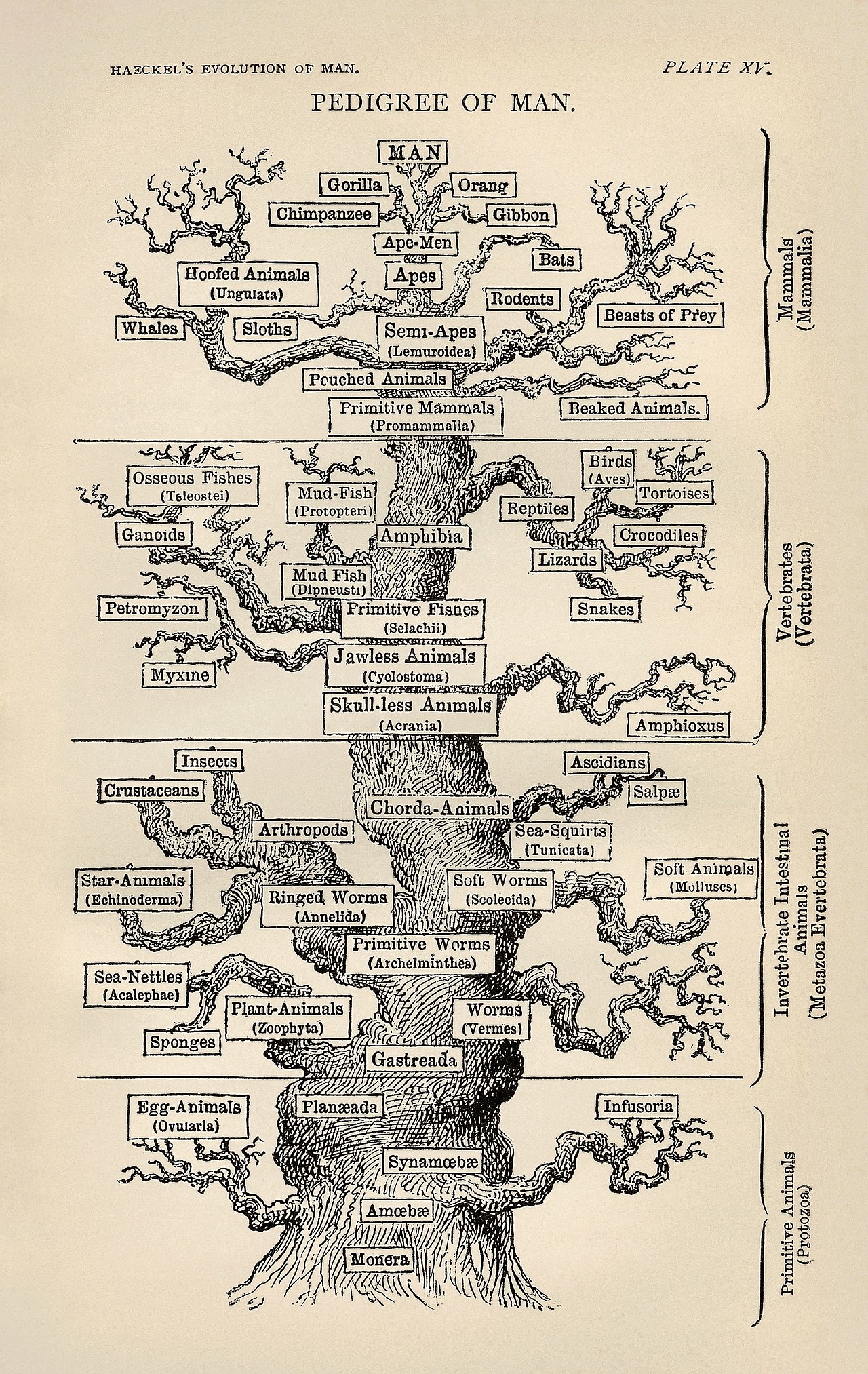
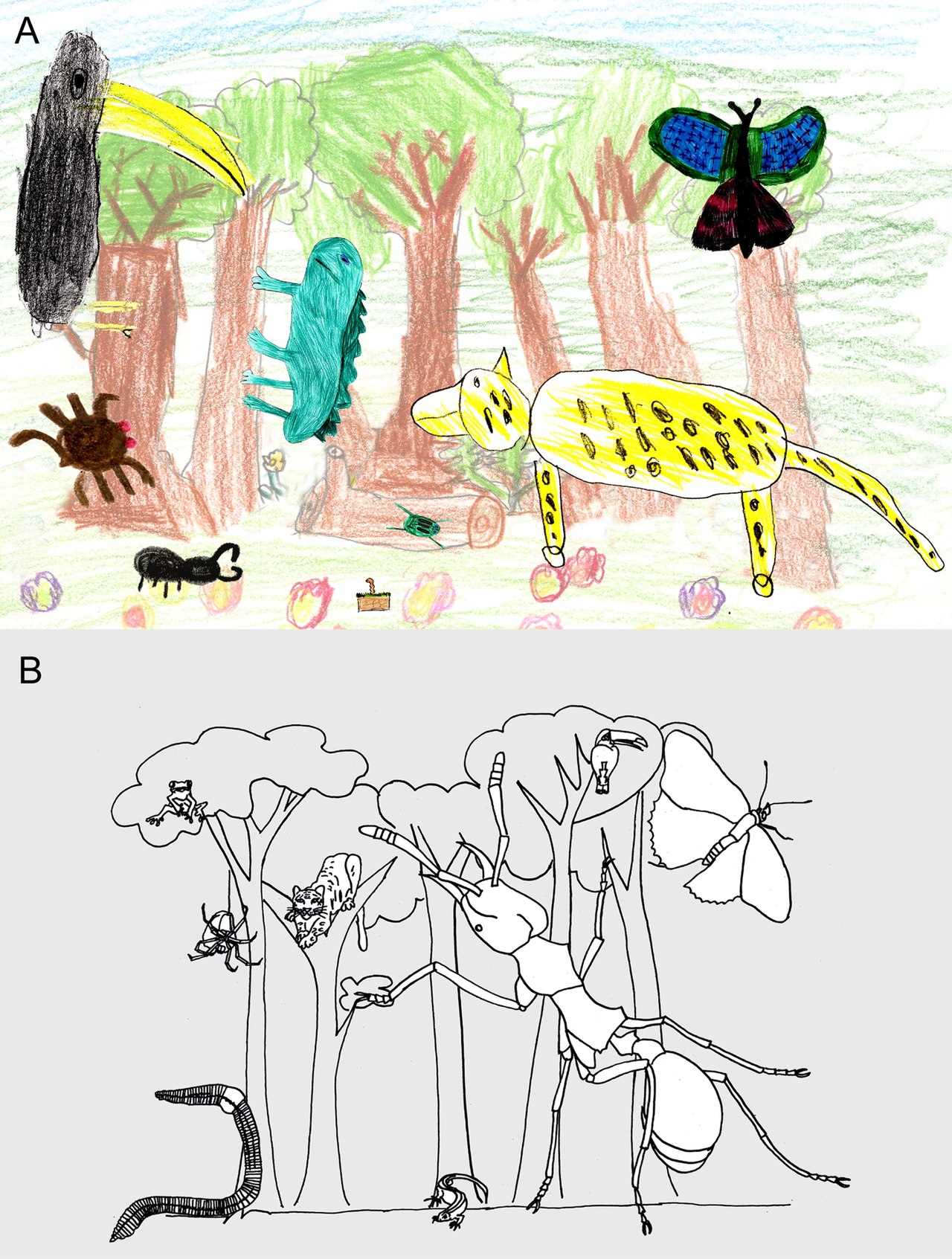

Core concepts and scope
At its heart are three primary goals: to document and monitor biodiversity, to understand threats and processes that drive decline, and to apply measures that maintain or restore viable populations and functional ecosystems. Conservation work ranges from protecting particular habitats and keystone species to conserving genetic variation in crops and managing landscapes for resilience. Ethical considerations—such as intrinsic value of nature and equity for human communities—also shape the field.
History and development
Although humans have protected natural places for millennia, conservation biology emerged as an explicit academic and professional field in the late 20th century in response to accelerating habitat loss, species declines, and global environmental change. Early meetings and publications helped define its interdisciplinary character and its commitment to applied outcomes that influence conservation policy and practice.
Methods and approaches
Practitioners use a suite of methods to assess and intervene:
- Field surveys, remote sensing and monitoring to measure population trends and habitat condition.
- Population and landscape modeling to predict outcomes of alternative actions.
- Protected area design, habitat restoration, and invasive species control.
- Ex situ conservation (seed banks, captive breeding) and reintroduction where needed.
- Community-based conservation and policy instruments to align human livelihoods with biodiversity goals.
These tools are often combined: for example, modeling guides reserve placement, monitoring evaluates success, and governance mechanisms provide long-term protection.
Applications, importance and challenges
Conservation biology underpins efforts to prevent extinction, safeguard ecosystem services (such as pollination, water purification and climate regulation), and sustain resources for people. It informs protected-area networks, endangered-species recovery plans, and land-use policies. Major challenges include climate change, habitat fragmentation, invasive species, and limited funding. Balancing conservation goals with social and economic needs demands interdisciplinary collaboration and adaptive management.
For further reading on principles and practice, many resources synthesize theory and case studies; conservation remains a dynamic field that continues to evolve as new science, technologies, and societal priorities emerge.
Related articles
Author
AlegsaOnline.com Conservation Biology: science, practice and policy Leandro Alegsa
URL: https://en.alegsaonline.com/art/22600
Sources
- michaelsoule.com : "What is Conservation Biology?"
- doi.org : 10.2307/1310054
- jstor.org : 10.2307/1310054