
Numidia: Ancient Berber Kingdom of North Africa (202–46 BC)
Numidia was an ancient Berber kingdom in present-day Algeria and Tunisia (202–46 BC). It played a key role between Carthage and Rome, famed for its cavalry, rulers like Massinissa and Jugurtha, and eventual Roman annexation.
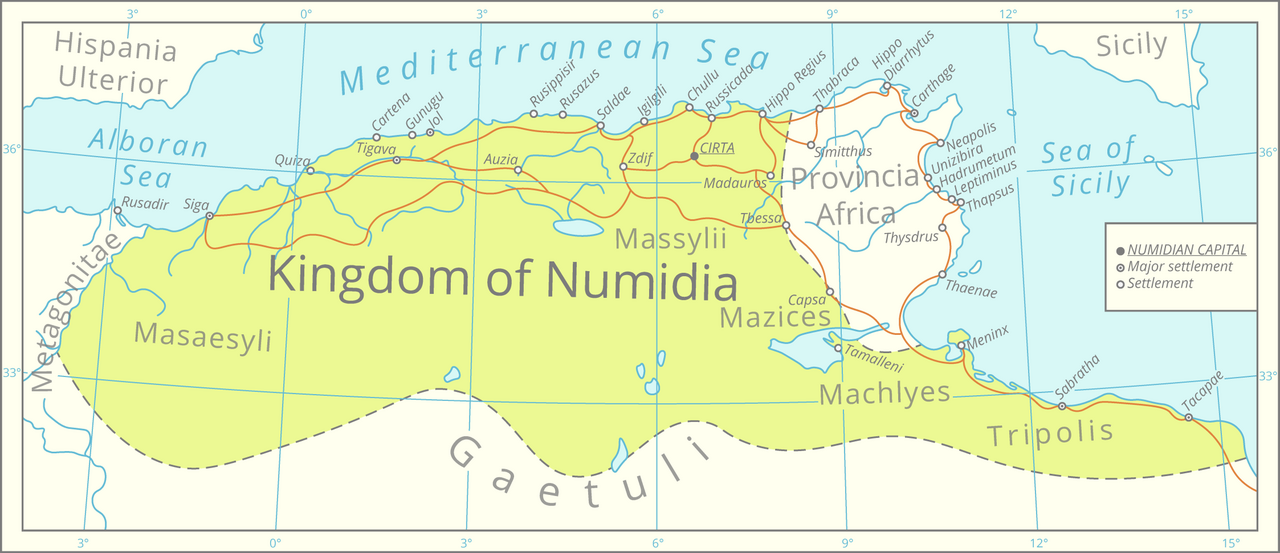
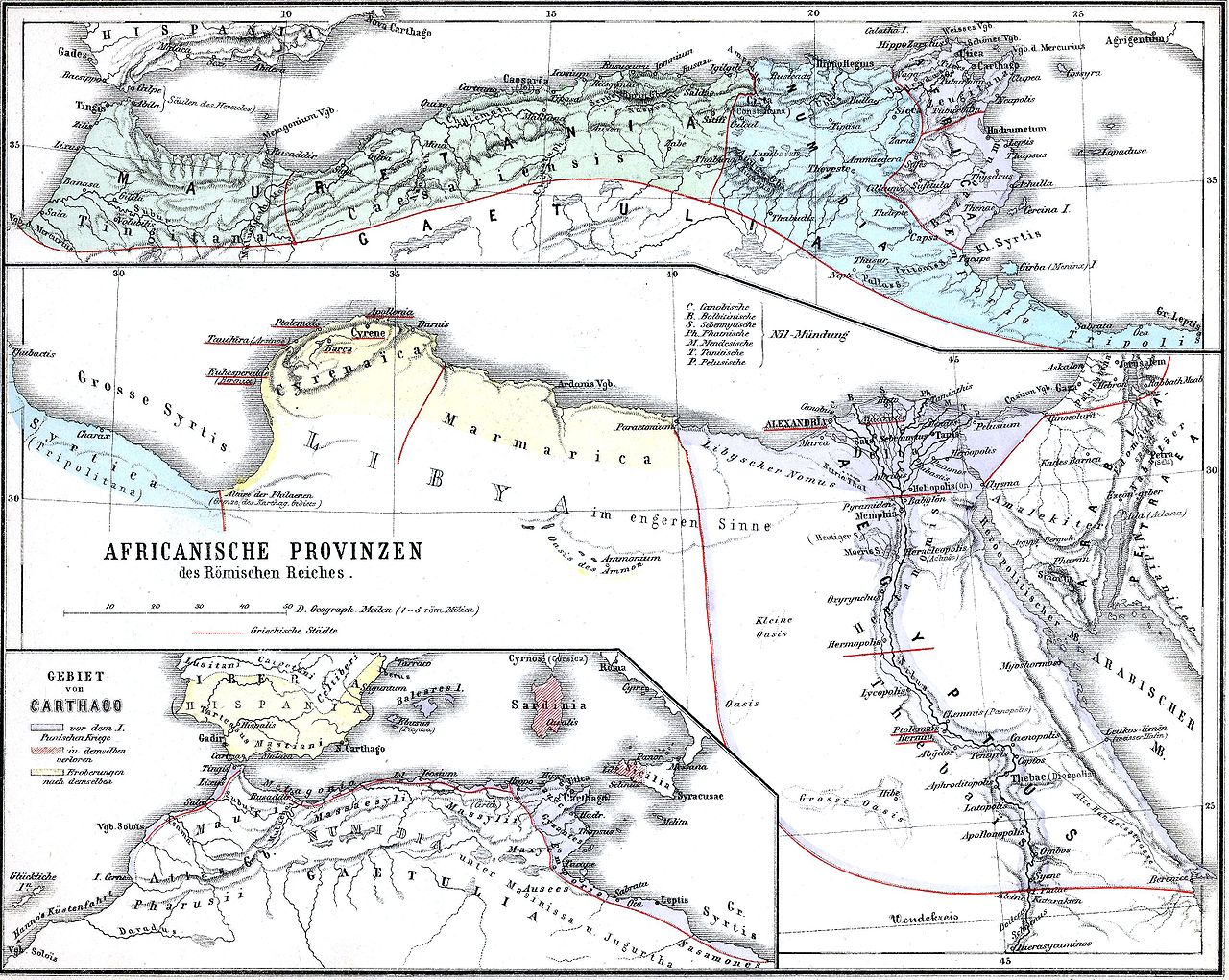
Numidia was an independent Berber kingdom that emerged in the wake of the Second Punic War and endured roughly from 202 to 46 BC. Located primarily in what is now northern Algeria with portions extending into western Tunisia, it represented the first long-lasting centralized polity of the Berber-speaking peoples of North Africa.
Image gallery
10 Images






Origins and political development
Before unification, the region contained competing tribal confederations. After siding with Rome against Carthage, local leaders consolidated power; the most famous early king, Massinissa, transformed Numidia into a hereditary kingdom and made its capital at Cirta (later Constantine). Numidia oscillated between independence and client status under Rome, its rulers balancing local institutions with Roman influence.
Society, economy, and military
Numidian society blended indigenous Berber customs with Punic and Hellenistic elements. The economy combined pastoralism, cereal agriculture in fertile zones, and trade. Numidian light cavalry — agile horsemen skilled in hit-and-run tactics — were highly prized by both Carthage and Rome and shaped Mediterranean military practice.
Key episodes and legacy
Notable episodes include the expansion under Massinissa, the turmoil of the Jugurthine War (when King Jugurtha fought Rome and exposed corruption among Roman elites), and the later involvement in Roman civil wars. After King Juba I sided with Pompey, Julius Caesar defeated him and numidian independence ended; the territory was absorbed into Roman provinces.
Distinctive features and historical importance
- First major Berber state: Numidia is widely recognized as the earliest substantial kingdom of the Berber world.
- Cultural crossroads: It acted as a meeting point of indigenous, Punic and Hellenistic traditions.
- Military influence: Numidian cavalry tactics influenced later Roman light cavalry employment.
For further general reading on the peoples and archaeology of the region, see sources on Berber history and the ancient Mediterranean (Berber, Algeria, Tunisia, North Africa).
Related articles
Author
AlegsaOnline.com Numidia: Ancient Berber Kingdom of North Africa (202–46 BC) Leandro Alegsa
URL: https://en.alegsaonline.com/art/71439