
Ōchō (Japanese era, 1311–1312)
Ōchō was a short Japanese era name (nengō) that ran from April 1311 to February 1312 during the reign of Emperor Hanazono in the Kamakura period.
Ōchō (応長) was a Japanese era name, or nengō, used from April 1311 through February 1312. Era names were a formal calendar system in which a reigning sovereign or governing court established a name for a span of years; the term can be described simply as a "year name". Ōchō sits within the broader political framework of the early 14th century, when the Kamakura shogunate exercised real power while the imperial court in Kyoto retained ceremonial authority.
Image gallery
4 Images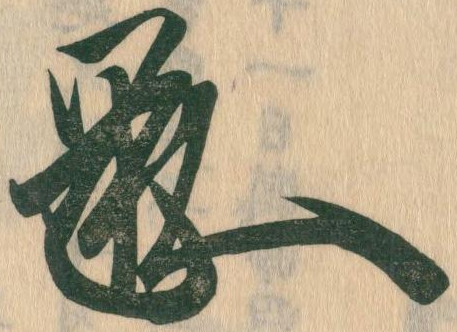


Background and context
The Ōchō era occurred during the reign of Emperor Hanazono (花園天皇), who ruled from 1308 to 1318. Although emperors were the nominal source of era names, practical governance at this time was dominated by the Hōjō regents and the military government based in Kamakura. The short length of Ōchō—less than a year—is typical of medieval Japan, when era names were sometimes changed for a variety of reasons, including auspicious omens, natural disasters, court politics, or the desire to mark a fresh beginning.
Dates, succession, and chronology
Ōchō began in April 1311, following the end of the preceding Enkyō era, and concluded in February 1312 when it gave way to the subsequent Shōwa era of the medieval period. For quick reference: Enkyō preceded Ōchō (Enkyō), and the next era after Ōchō was Shōwa (Shōwa), not to be confused with the much later 20th-century Shōwa.
Significance and records
- Duration: April 1311–February 1312 (short, under one year).
- Emperor: Hanazono-tennō, reigning 1308–1318.
- Political setting: Kamakura shogunate exercised de facto rule; the court maintained ritual and cultural roles.
Contemporary chronicles record little in the way of dramatic political change specifically tied to Ōchō; many era changes in this period were administrative or symbolic. Scholars use such brief eras to help organize timelines, court diaries, and temple records from the Kamakura period.
When consulting primary sources or modern summaries, be mindful that identical era names can appear in different centuries and that short eras like Ōchō reflect the fluid calendrical practices of premodern Japan rather than an extended historical epoch.
Further reading on the system of era names and the Kamakura polity can be sought through specialized works and archival collections represented in academic links and reference guides.
Related articles
Author
AlegsaOnline.com Ōchō (Japanese era, 1311–1312) Leandro Alegsa
URL: https://en.alegsaonline.com/art/71867
Sources
- books.google.com : "Ōchō"
- books.google.com : Annales des empereurs du Japon, pp. 278-279
- books.google.com : p. 279.
- books.google.com : Light from the East: Studies in Japanese Confucianism, p. 22.