
Occupation of Czechoslovakia (1938–1945)
German occupation of Czechoslovakia from 1938–1945: annexation after Munich, Protectorate of Bohemia and Moravia, repression and resistance, Operation Anthropoid, wartime experiences, liberation and postwar consequences.
Overview
The occupation of Czechoslovakia was a multi-stage process that transformed the country between 1938 and 1945. It began with the cession of the Sudetenland after the Munich Agreement and culminated in the March 1939 seizure of Bohemia and Moravia by Nazi Germany. The prewar republic, often referred to in historical discussion as Czechoslovakia, was dismantled: part of its territory was incorporated directly into the German Reich, a nominally independent Slovak state was created, and the remaining Czech lands were organised as the Protectorate of Bohemia and Moravia under German control.
Image gallery
10 Images



Administration, policy and repression
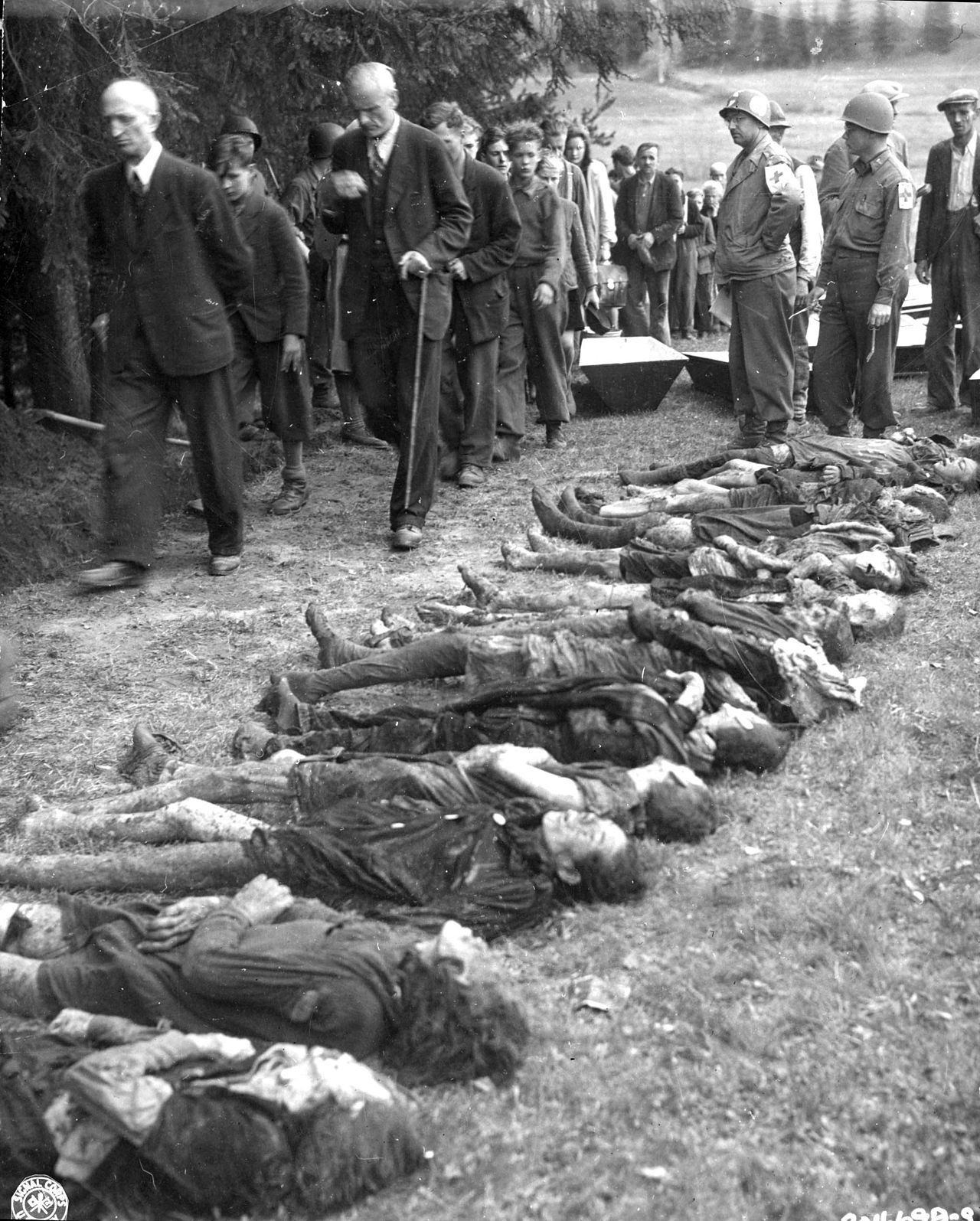
After occupation a German civil administration and security apparatus imposed direct rule. Early oversight was entrusted to officials such as Konstantin von Neurath, later supplemented and in some periods supplanted by brutal SS leadership, notably under Reinhard Heydrich. German policy combined political repression, economic exploitation and social control: public institutions were purged, political parties banned, higher education limited, and industry redirected to war production. Anti-Jewish legislation, arrests and deportations progressively removed Jewish citizens from public life and ultimately sent many to concentration camps. Forced labour and conscription of resources supported the German war effort.
Resistance, Operation Anthropoid and reprisals
Despite severe repression, a range of resistance activities persisted, from clandestine presses and intelligence gathering to sabotage and targeted assassinations. The best-known operation was Operation Anthropoid, carried out by Czechoslovak agents trained abroad and aimed at the high-ranking German official Reinhard Heydrich. The plot inflicted mortal wounds on Heydrich and triggered extraordinary reprisals. German authorities responded with mass arrests, executions and punitive actions against civilians; the village of Lidice became a symbol of collective punishment after its male inhabitants were killed and the community destroyed.
Wartime life and economy
Everyday life under occupation involved shortages, censorship and the constant presence of security forces. Czech industry—particularly heavy industry and arms production—was integrated into the German military economy. Cultural life and education were restricted; public expressions of Czech national identity were suppressed. Collaborators, varying forms of accommodation and survival strategies existed alongside active opponents of the regime. The occupation years significantly altered demographic patterns and social structures, with long-term effects after the war.
Liberation and postwar consequences
By spring 1945, advancing Allied and Soviet forces liberated Czechoslovak territory. Prague witnessed an uprising in May 1945 and was freed as German authority collapsed. The Soviet military played a decisive role in liberating much of the country, and Soviet influence rapidly increased in the immediate postwar period. In the years that followed, the state underwent profound change: a period of restoration and retribution was followed by political realignment that culminated in the 1948 takeover by forces that established a Soviet-oriented Communist State. The Soviet Union became the dominant external influence on Czechoslovakia’s postwar trajectory.
Legacy and notable facts
The occupation left durable marks on Czech and Slovak society: demographic shifts, property transfers, the trauma of collaboration and reprisals, and the displacement of German-speaking populations after 1945. It also produced a strong postwar memory of resistance and martyrdom that shaped national narratives. Historians study this period for its lessons about coercive occupation, the mechanics of collaboration and resistance, and the ways wartime experiences shaped Central Europe’s Cold War settlement.
- Key dates: Munich Agreement (1938), occupation of Bohemia and Moravia (15 March 1939), Operation Anthropoid (1942), Prague uprising and liberation (May 1945).
- Administrative labels: Protectorate of Bohemia and Moravia; the Slovak State as a German ally; direct annexation of border areas.
- Consequences: wartime economic integration into Germany, postwar expulsion of many ethnic Germans, and the 1948 communist takeover.
For more detailed primary sources and archival materials consult specialised histories and collections accessible through academic libraries and dedicated repositories. See also material held by institutions and digitised collections at institutional collections, national archives (national records) and specialist studies on individuals such as von Neurath and Heydrich. Additional context on postwar realignment and Soviet influence is available via resources linked to the Soviet Union era and the history of the subsequent Communist State.
Questions and answers
Q: What was the date of the Nazi German Occupation of Czechoslovakia?
A: The Nazi German Occupation of Czechoslovakia started on the 15th of March 1939.
Q: Who replaced Konstantin von Neurath as ruler in 1939?
A: In 1939, Reinhard Heydrich replaced Konstantin von Neurath as ruler.
Q: What was the code name for Operation Anthropoid?
A: The code name for Operation Anthropoid was Operation Anthropoid.
Q: What weapons were used by Jozef Gabčík and Jan Kubiš to assassinate Reinhard Heydrich?
A: Jozef Gabčík and Jan Kubiš were equipped with a Sten gun and an Impact grenade to assassinate Reinhard Heydrich.
Q: How did they plan to assassinate him?
A: They planned to assassinate him when he was in his car on a road where the car had to slow down.
Q: Did Heinrich accept help from a Jewish doctor?
A: It is said that Heinrich refused help from a Jewish doctor.
Q: When did the occupation end and when did Czechoslovakia become a Communist State?
A: The occupation ended when Soviet troops entered Prague and liberated it until 1945, when the Soviet Union invaded it and turned Czechoslovakia into a Communist State in 1948.
Related articles
Author
AlegsaOnline.com Occupation of Czechoslovakia (1938–1945) Leandro Alegsa
URL: https://en.alegsaonline.com/art/71829