
Greenpeace: history, goals, methods, and influence
Greenpeace is an international non-governmental organization founded in 1971 that campaigns for the protection and conservation of the natural world using research, advocacy and direct action.
Overview — Greenpeace is a global environmental non-governmental organization formed in 1971 to promote the protection and conservation of the natural world. Its stated aims include defending biodiversity, reducing pollution, and addressing climate change through public campaigns, scientific research, and campaigns directed at governments and corporations. The group describes itself as independent of political parties and commercial interests and relies mainly on individual donations and memberships. Many of its public descriptions use terms like protection, conservation and care for the environment.
Image gallery
10 Images




Origins and development
Greenpeace began with a small group of activists who sailed from Vancouver to oppose nuclear testing in the early 1970s. Founded in Canada, the organization grew through high-visibility direct actions at sea and on land. Its campaigns helped draw public attention to issues such as nuclear testing, industrial pollution, forest destruction, commercial whaling and, later, fossil-fuel driven climate change. Over ensuing decades it established regional and national offices in dozens of countries and developed teams for research, legal action, policy advocacy and communications.
Methods and activities
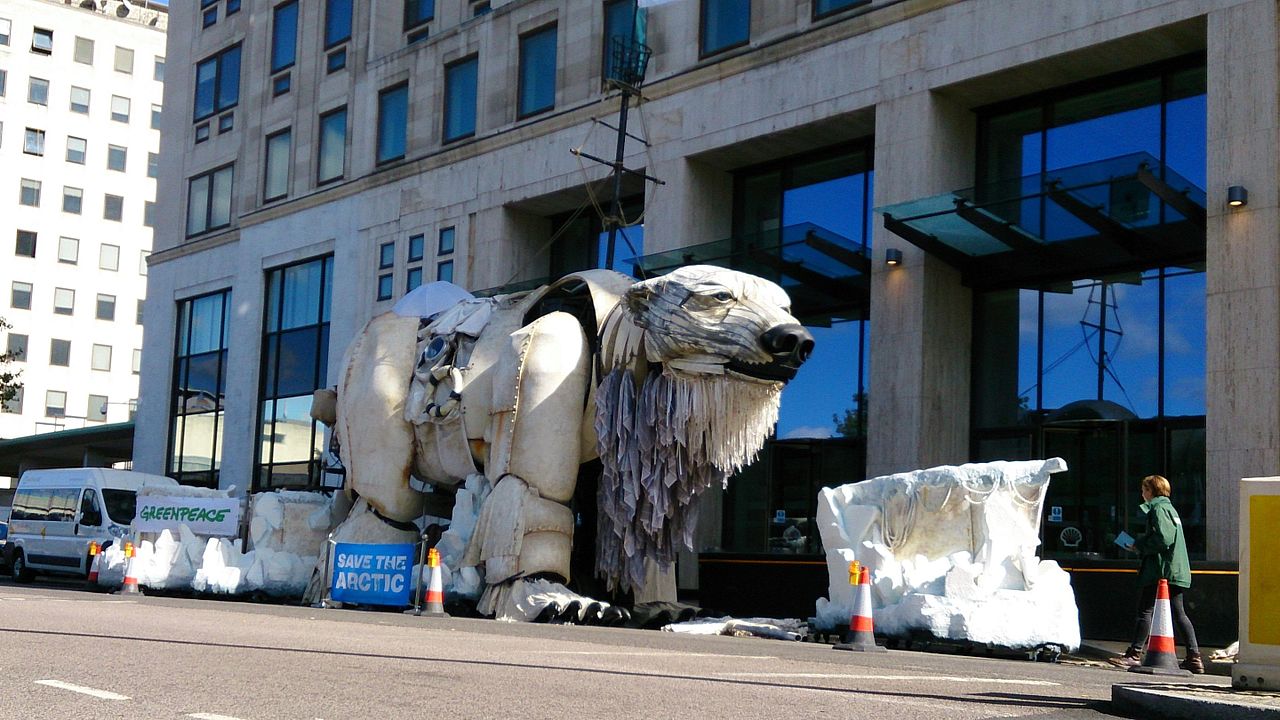
Greenpeace uses a mix of tactics intended to combine public engagement with targeted pressure on decision-makers. Typical methods include nonviolent direct action (often at sea or at industrial sites), investigative research, scientific reporting, legal petitions, and public campaigns designed to change consumer behaviour and corporate policy. The organization is widely known for visible actions that attract media coverage and raise awareness quickly.
- Direct-action protests to interrupt harmful activities
- Scientific studies and reporting to document environmental harm
- Lobbying and legal challenges to influence regulation
- Public outreach, petitions and campaigns to shift public opinion
Notable events and impact
Greenpeace gained international attention in the 1980s, in part because of an attack on one of its ships. In 1985 the vessel Rainbow Warrior was bombed in the harbour of Auckland, an incident that caused a fatality and provoked wide condemnation. That event and other dramatic actions increased the organisation's visibility and helped it expand its presence worldwide. Greenpeace campaigns have contributed to policy changes, corporate commitments to phase out harmful substances and greater public awareness of environmental risks.
Criticism and distinctions
Greenpeace's confrontational style attracts both support and criticism. Advocates say its tactics are necessary to catalyse change and expose wrongdoing; critics argue that some direct actions can be legally risky, polarising or counterproductive. The organisation also faces scrutiny over campaign claims and strategic choices, prompting internal reviews and public debate about methods. Despite disagreement over tactics, Greenpeace remains one of the most recognizable environmental advocacy groups globally, noted for combining grassroots activism with scientific and legal work.
How it operates today
Today Greenpeace continues to run campaigns on oceans, forests, climate, toxins and sustainable agriculture while maintaining a presence in many countries. It asks supporters to donate, volunteer, and participate in petitions and events; it also publishes reports intended to inform policymakers, businesses and the wider public. For basic information and ways to engage, official national or regional offices provide resources and local campaign details.
Questions and answers
Q: What is Greenpeace?
A: Greenpeace is an international non-governmental organization that works for the protection and conservation of the environment.
Q: When was Greenpeace established?
A: Greenpeace was established in Vancouver, Canada in 1971.
Q: How many regional and national offices does Greenpeace have?
A: Greenpeace has regional and national offices in 46 countries.
Q: What happened to the Greenpeace ship Rainbow Warrior in the 1980s?
A: The Greenpeace ship Rainbow Warrior was bombed by the French intelligence agency in the Auckland Harbor, killing one individual.
Q: How has Greenpeace evolved over the years?
A: Greenpeace has evolved into one of the largest environmental organizations in the world.
Q: What is Greenpeace known for?
A: Greenpeace is known for its direct actions and has been described as the most visible environmental organization in the world.
Q: What has Greenpeace achieved?
A: Greenpeace has raised environmental issues to public knowledge and influenced both the private and the public sector.
Related articles
Author
AlegsaOnline.com Greenpeace: history, goals, methods, and influence Leandro Alegsa
URL: https://en.alegsaonline.com/art/40754
Sources
- greenpeace.org : "Greenpeace International home page, Get involved"