
Henry Kissinger
American political scientist and diplomat; National Security Advisor and Secretary of State under Nixon and Ford. Influential in détente and opening to China, Nobel laureate and a persistent subject of debate.
Overview
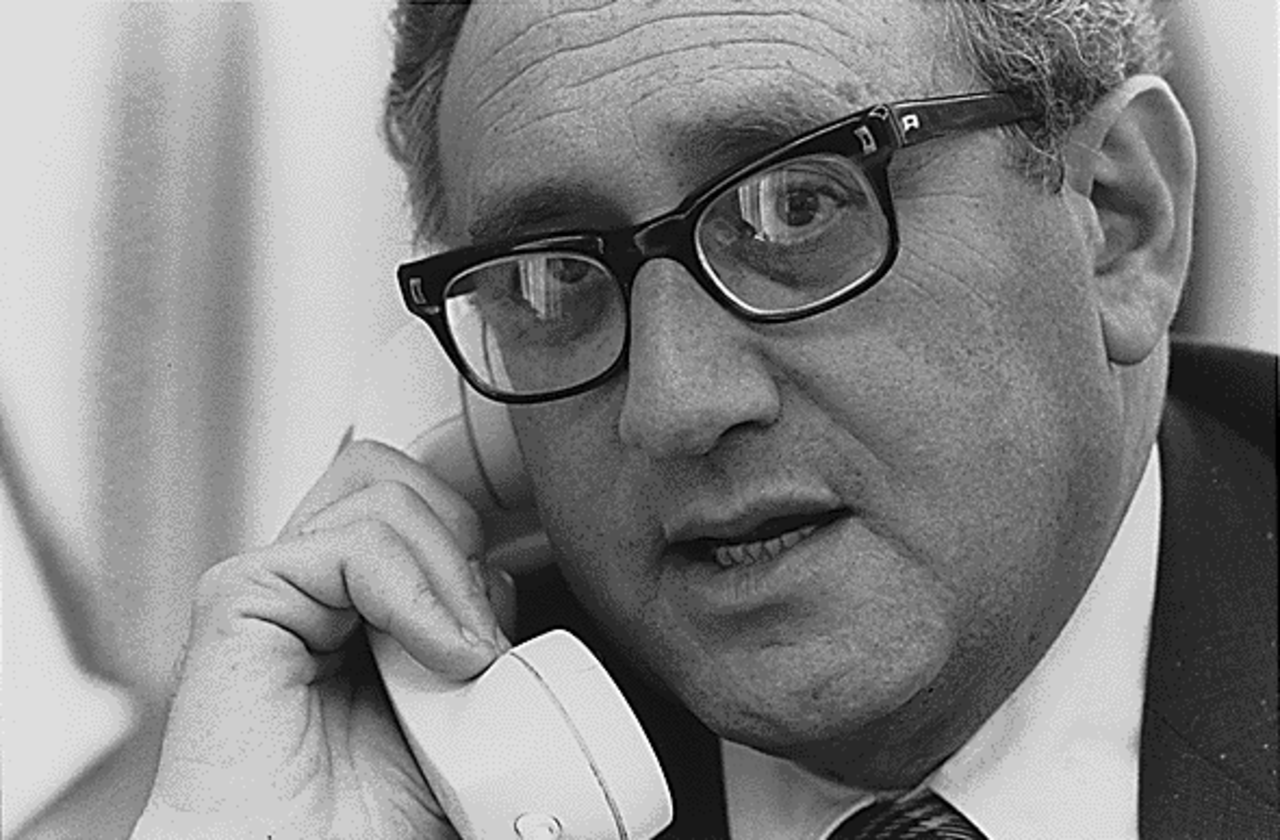
Henry Alfred Wolfgang Kissinger is an American political scientist and diplomat who became one of the most influential U.S. foreign-policy figures of the late 20th century. He served as U.S. National Security Advisor and later as Secretary of State in the administrations of Richard Nixon and Gerald Ford. His role in negotiating major Cold War developments, for which he received the Nobel Peace Prize in 1973, made him a household name and a controversial public figure.
Image gallery
10 Images




Early life and intellectual formation
Born in Germany in 1923 into a Jewish family, he emigrated to the United States as a child to escape Nazi persecution. He became a U.S. citizen, served in the American military during World War II, and then studied political science. His academic work at Harvard, where he later taught, combined historical scholarship with strategic theory and helped shape his lifelong emphasis on statecraft and the management of power.
Public career and policies
As a senior official, Kissinger promoted a pragmatic, interest-centered approach often described as realpolitik. He was a chief architect of U.S. policy of détente with the Soviet Union and pursued a strategic opening to the People’s Republic of China, moves that reshaped Cold War alignments. He also played a central role in negotiations intended to end American involvement in Vietnam, receiving the 1973 Nobel Peace Prize alongside North Vietnamese negotiator Lê Đức Thọ (who declined the award).
Key initiatives and ideas
- Promotion of détente and arms-control diplomacy between the U.S. and USSR.
- Strategic opening to China, easing its isolation and altering global balances.
- Emphasis on balance-of-power politics and stability over ideological aims.
- Use of back-channel diplomacy and secret negotiations as routine tools.
Controversies and legacy
Kissinger’s career generated persistent debate. Supporters credit him with restoring strategic stability and preventing direct superpower conflict; critics criticize U.S. covert actions and military policies associated with his tenure, including intensive bombing campaigns and covert operations in Southeast Asia and alleged support for authoritarian regimes. These contested episodes shape how historians and policymakers evaluate his impact.
Later life and influence
After leaving government, he remained an active writer, consultant, and commentator. His books on diplomacy and international affairs became influential references for students and practitioners of foreign policy. Kissinger’s blend of scholarship, statecraft, and realpolitik continues to be studied, debated, and cited in discussions about the practice of international relations.
For further reading, see sources on his academic work and government service: Nixon administration, Ford administration.
Related articles
Author
AlegsaOnline.com Henry Kissinger Leandro Alegsa
URL: https://en.alegsaonline.com/art/120542
Sources
- merriam-webster.com : "Definition of KISSINGER"
- news.yahoo.com : "Ex-US Secretary of State Kissinger hospitalized"
- belfercenter.ksg.harvard.edu : "A Nuclear weapon-free world is possible, Nunn says"