
Nontrinitarianism: beliefs, history, and modern movements
Nontrinitarianism comprises Christian theological positions that reject or reinterpret the doctrine of the Trinity, with roots in early debates and expressions in medieval, Enlightenment and modern movements such as Unitarianism.
Overview
Nontrinitarianism is a broad designation for Christian theological positions that reject, deny or significantly reinterpret the doctrine commonly called the Trinity. The classical Trinitarian formula holds that God is one being who exists eternally as three distinct persons: Father, Son and Holy Spirit. Nontrinitarian perspectives oppose that formula in various ways. Some deny the full divinity or coeternity of Jesus; others deny that the Holy Spirit is a distinct person; some describe the terms Father, Son and Spirit as different modes or manifestations of one divine person. For a concise definition and early controversies see discussions of the Trinity and related sources.
Image gallery
5 Images



Historical origins
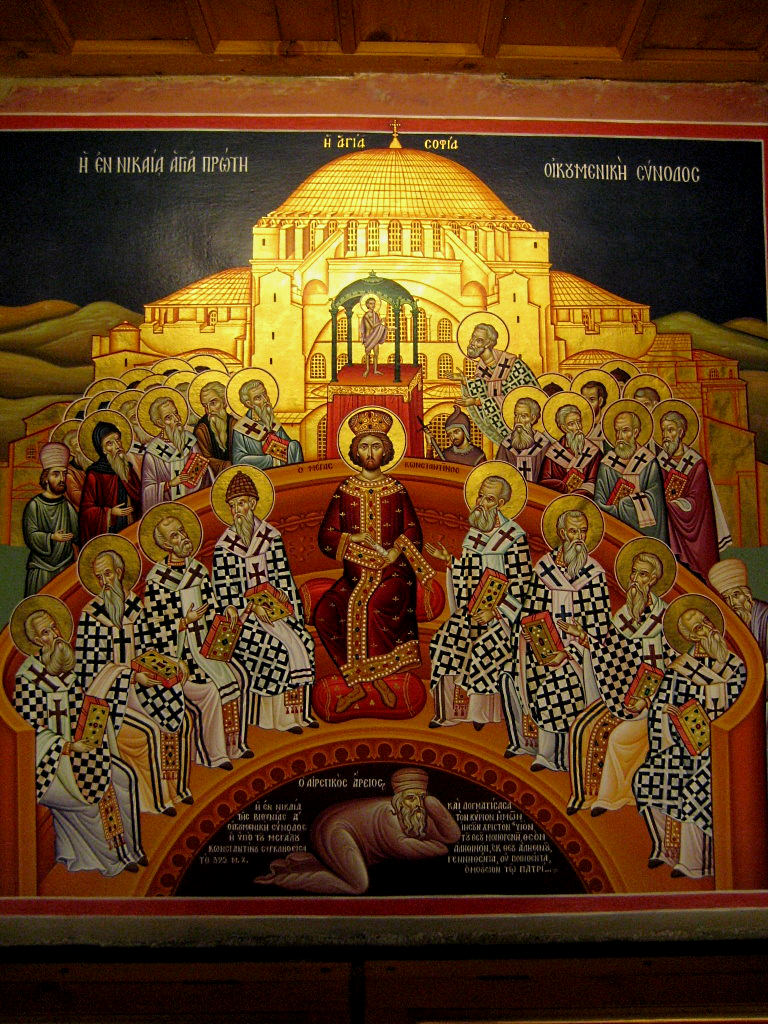
Debate about the nature of God and the status of Christ appears in the earliest centuries of Christianity. The Council of Nicaea (325) sought to articulate a common response to disputes about Christ’s divinity and produced language that became central to orthodox Trinitarian doctrine; readers may consult summaries of Nicaea for context. Prior to and after that council, a range of positions persisted that later writers labeled heterodox or nontrinitarian. Some early teachers and communities held subordinationist views (the Son as subordinate to the Father) or advanced understandings that did not fit the three-person model.
Medieval to modern developments
Throughout the medieval period and into the Reformation era certain movements revived alternative christologies and cosmologies. Elements associated with dualist or Gnostic thought recur in some medieval groups; scholarly overviews of Gnosticism note parallels in emphasis if not direct continuity. The intellectual changes of the Enlightenment encouraged critical reexamination of traditional dogmas, and the 18th and 19th centuries saw renewed interest in nontrinitarian ideas. In the 19th century, Restorationist impulses and other reform movements helped form denominations and communities that explicitly rejected the Trinity in favor of alternative frameworks (Restorationism).
Major doctrinal types
- Arian and subordinationist: views that see the Son as created or subordinate to the Father, historically associated with Arianism and later groups.
- Unitarian: emphasis on the strict oneness of God and rejection of any real personal plurality; modern Unitarianism traces theological and institutional roots to several strands of dissent and reform (Unitarianism).
- Modalism (Oneness): the idea that Father, Son and Spirit are roles or modes of one person rather than distinct persons; variants appear in some Pentecostal movements.
- Non-personal Spirit views: positions that treat the Spirit as an impersonal force or as manifestations of God’s power rather than a distinct person.
Contemporary movements
Modern nontrinitarianism is plural and global. Well-known expressions include Unitarian congregations, Jehovah’s Witnesses, Christadelphians, Oneness Pentecostal groups, and smaller communities that trace their identity to various reform or restoration movements. These churches and movements differ greatly in scriptural interpretation, worship, ecclesial structure and ethical emphases, but they share a common departure from the classical Trinitarian formulation.
Significance and debates
The question of the Trinity has been a central theological fault line shaping creeds, liturgy and denominational boundaries. Debates involve biblical interpretation, metaphysical claims about personhood and being, and pastoral and liturgical consequences for worship and prayer. Critics of nontrinitarian positions often argue from historical creeds and ecumenical councils; defenders appeal to particular readings of scripture and to the coherence of alternative models.
Further study
Readers seeking deeper information can consult overviews of early Christological controversies and the Council of Nicaea, surveys of Gnosticism, studies of the Enlightenment impact on religion, and histories of Restorationism and Unitarianism. Introductory resources and denominational histories provide comparative perspectives on how nontrinitarian beliefs have formed identities and communities across time.
Related articles
Author
AlegsaOnline.com Nontrinitarianism: beliefs, history, and modern movements Leandro Alegsa
URL: https://en.alegsaonline.com/art/70629
Sources
- ccel.org : "History of Dogma"