
N-word (racial slur 'nigger')
An encyclopedic overview of the racial slur often called the N-word: origins, historical use, modern controversies, linguistic variants, cultural impact, and legal or policy responses.
Overview
The term commonly referred to as the N-word and historically written as the slur nigger is a deeply offensive racial epithet directed at people of African descent. It functions as a derogatory label rooted in a long history of dehumanization and racial oppression. Because of its offensive nature, many speakers avoid pronouncing the word and instead say "the N-word," while others discuss it only in historical, academic, or critical contexts. For contemporary discussions about race, language, and power the word is treated as a sensitive linguistic artifact rather than a neutral descriptor.
Image gallery
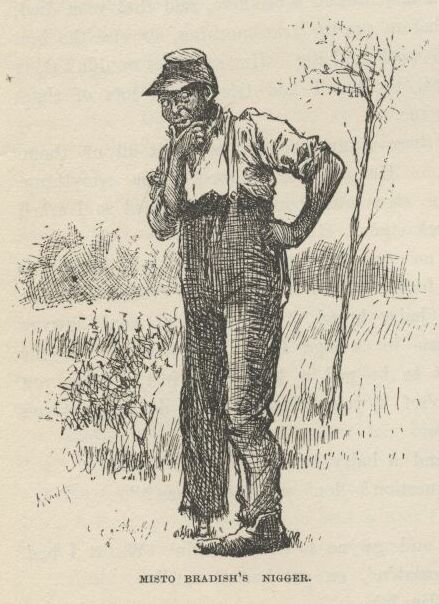
6 Images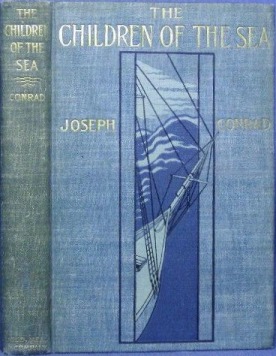


Etymology and historical use
The slur derives from an Anglicized pronunciation of Spanish and Portuguese words for the color black (negro), which were used in early modern Europe to describe people of African origin. Over time in English the term acquired pejorative and demeaning connotations. It was commonly used in the United States and other English-speaking societies during periods of slavery and colonialism to mark Black people as inferior and to justify unequal treatment.
In literature and historical documents of the 18th and 19th centuries the word appears in contexts that reflect the racial attitudes of their times; modern editors and scholars generally treat such instances as historical evidence to be analyzed critically rather than endorsed. For background on historical usage see etymology surveys and archival collections.
Modern usage and controversy
Today the word is widely regarded as a racial slur and is classified by many institutions, legal frameworks, and social platforms as hate speech when used to insult or demeaning a protected group. Public use of the word often generates controversy: some defend references to it for reasons of free expression or historical accuracy, while others emphasize the harm it inflicts. Mainstream broadcast media, educational institutions, employers, and social networks typically have policies restricting or contextualizing its use; see examples at media policy guides, institutional statements, and platform rules.
Linguistic variants, reclamation, and cultural contexts
There are related variants of the term that differ in form, pronunciation, and social meaning. One variant ending with an "-a" sound is often written as nigga and is used within some Black communities in informal speech, music, and popular culture as a form of reclaimed in-group address or stylistic expression. The acceptability and meaning of such usage depend on social context, speaker identity, and audience: for many people outside the communities where reclamation occurs, any utterance of the slur-like forms remains offensive.
Scholars of sociolinguistics and cultural studies analyze how reclamation, parody, citation, and satire affect power relations and meaning. For academic discussion see sociolinguistic studies and cultural analyses. For examples in music and film, consult curated discussions at media studies.
Legal, institutional, and policy responses
Use of the slur can have legal and professional consequences when it contributes to a hostile environment, harassment, or discrimination. Employers and schools often prohibit the term under harassment and nondiscrimination policies; courts and administrative bodies sometimes consider context when adjudicating complaints. Broadcast and streaming services typically apply content warnings or remove the slur except in clearly contextualized works. For policy templates and legal overviews, see employment guidance, educational policy, and media regulation summaries.
Distinctions and notable facts
- The phrase "the N-word" is a euphemism used to avoid repeating the slur while still acknowledging it.
- Context matters: citation in scholarship, historical quotation, or critical analysis is usually treated differently from slur usage intended to insult.
- Debates about whether and how the term can be reclaimed or used artistically remain ongoing and vary across communities and generations; see perspectives in community discussions and artist statements.
For further reading and balanced overviews consult educational resources, historical lexicons, and peer-reviewed scholarship rather than unverified online sources: useful starting points include encyclopedic entries, language histories, and legal analyses. For contemporary debates and media examples see journalism archives and academic journals.
Related articles
Author
AlegsaOnline.com N-word (racial slur 'nigger') Leandro Alegsa
URL: https://en.alegsaonline.com/art/70119
Sources
- theundefeated.com : theundefeated.com/features/if-you-truly-knew-what-the-n-word-meant-to-our-ancestors-youd-…
- ferris.edu : "Nigger and Caricatures"
- books.google.com : Life on the Mississippi