
Norwegian Canadians
Canadian citizens of full or partial Norwegian ancestry: migration history, settlement patterns, cultural traditions, institutions, religion and contemporary community life in Canada.
Norwegian Canadians are residents of Canada who trace all or part of their ancestry to Norway or who emigrated from Norway. They form part of the wider Scandinavian Canadian presence and have contributed to economic life, local cultures and transatlantic ties while largely integrating into English- and French-speaking Canadian society.
Image gallery
9 Images


Characteristics and geographic distribution
Communities with Norwegian heritage are found across Canada, with historical concentrations in coastal British Columbia, the Prairie provinces and parts of Ontario and the Atlantic provinces. Early settlers often chose locations where seafaring, fishing, forestry or farming skills could be applied. Over generations many families moved into urban centres and diversified into trades, business and professions.
History and migration patterns
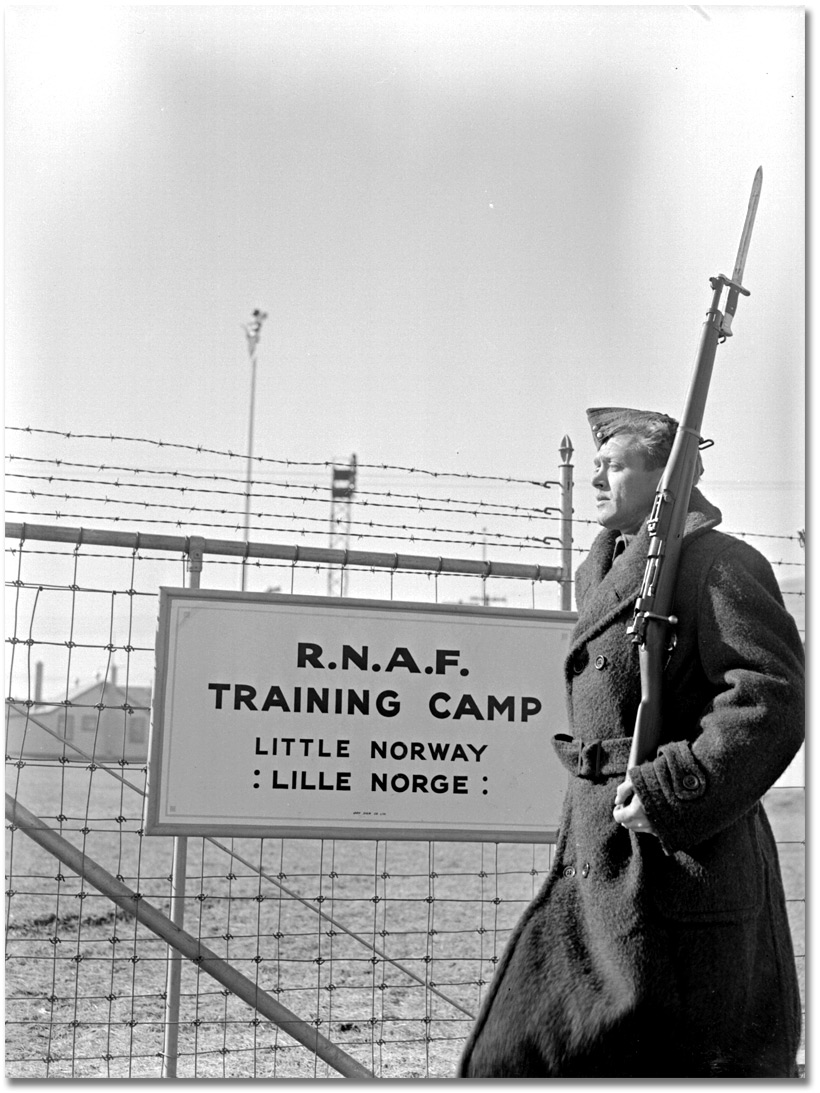
Migration occurred in several waves, especially in the 19th and early 20th centuries when Norwegians left home seeking land, work and opportunity. Homesteading prospects in western Canada attracted agricultural settlers, while maritime expertise drew Norwegians to ports and fishing communities. During both world wars and the interwar period ties between Norway and Canada included seafarers, wartime refugees and military cooperation. More recent arrivals have come for work, study and family reunification.
Culture, institutions and celebrations
Norwegian cultural traditions remain visible through clubs, folk-dance groups, language classes, museums and local chapters of cultural societies. Annual observances such as Syttende Mai (Norwegian Constitution Day, May 17) are commonly celebrated by communities and churches. Social lodges, seamen’s missions and cultural organizations historically provided mutual aid and continue to host events that preserve music, food and crafts.
Religion, language and education
The Lutheran church historically played an important role in community cohesion, founding congregations and schools in many settlements. Language maintenance varies by generation: earlier immigrants used Norwegian in domestic and communal life, while later generations primarily speak English or French and may study Norwegian through heritage programs or bilateral exchanges.
Contemporary community and identity
Contemporary Norwegian Canadians range from recent immigrants who retain strong ties to Norway to multi‑generation families for whom ancestry is one aspect of heritage. Community organizations provide genealogy services, cultural programming and student and cultural exchanges with Norway. Norwegian Canadian identity is one distinct strand within Canada’s multicultural landscape, marked by particular traditions, migration histories and ongoing connections across the North Atlantic.
Notable contributions
Individuals and communities of Norwegian descent have contributed to maritime industries, agriculture, forestry and urban commerce, as well as to arts, academia and public life. Their cultural and civic associations help preserve heritage while participating fully in the social and economic life of Canada.
Related articles
Author
AlegsaOnline.com Norwegian Canadians Leandro Alegsa
URL: https://en.alegsaonline.com/art/71116
Sources
- www12.statcan.gc.ca : "2011 National Household Survey: Data tables"