
Negev (Naqab): the desert region of southern Israel and the southern Levant
The Negev (Naqab) is an arid region in the southern Levant covering much of Israel. It features Beersheba and Eilat, striking geology, archaeological sites on the Incense Route and diverse desert ecosystems.
Overview
The Negev, also called the Naqab in Arabic, is the arid southern region of the southern Levant largely within the modern state of Israel and referenced in Palestinian geography as part of historic Palestine. It occupies roughly sixty percent of the country's land area but is sparsely populated compared with the coastal and central regions. The Negev's deserts, plains and mountains create a distinct environmental and cultural zone that has shaped settlement, trade and land use for millennia.
Image gallery
10 Images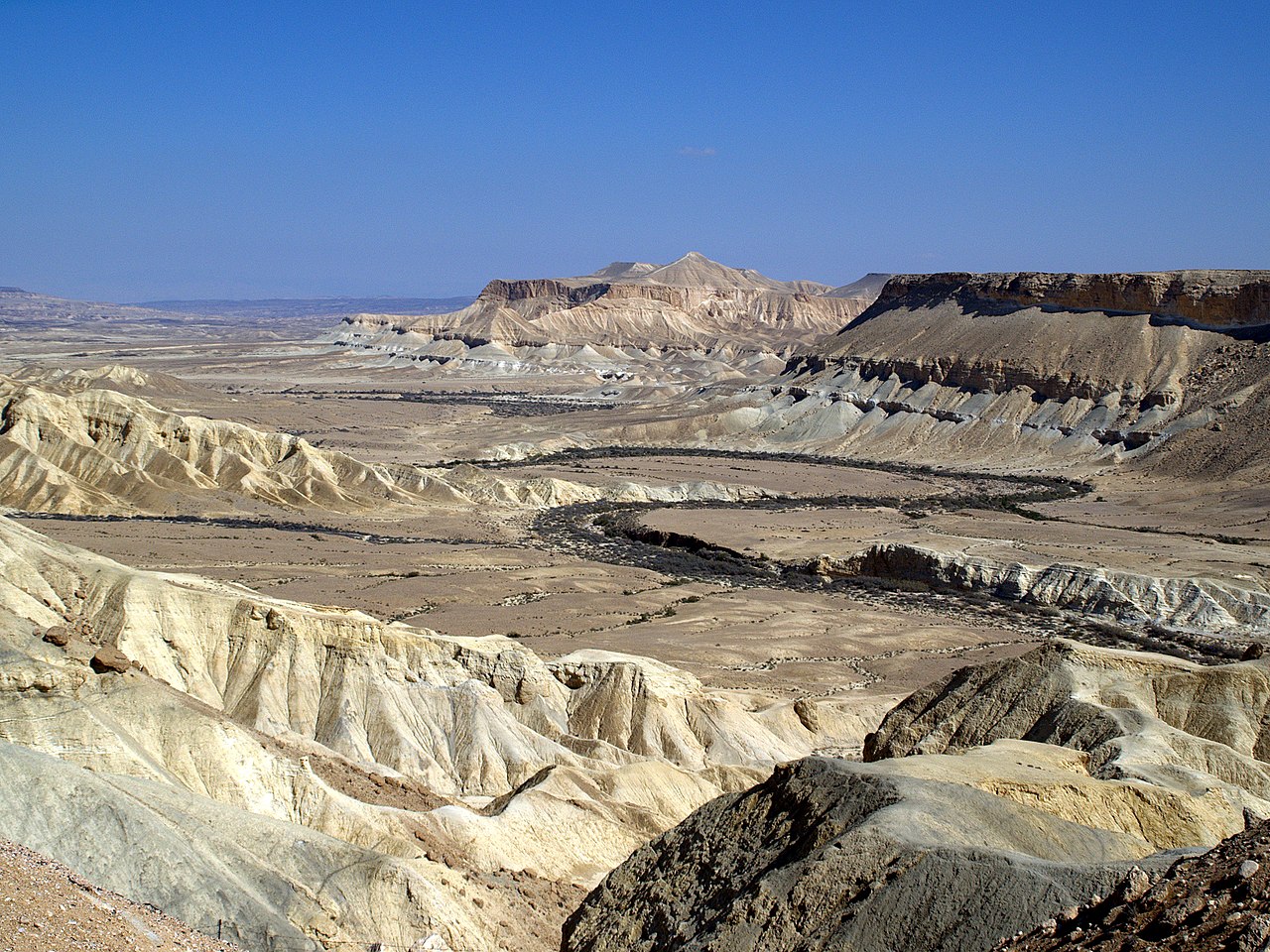



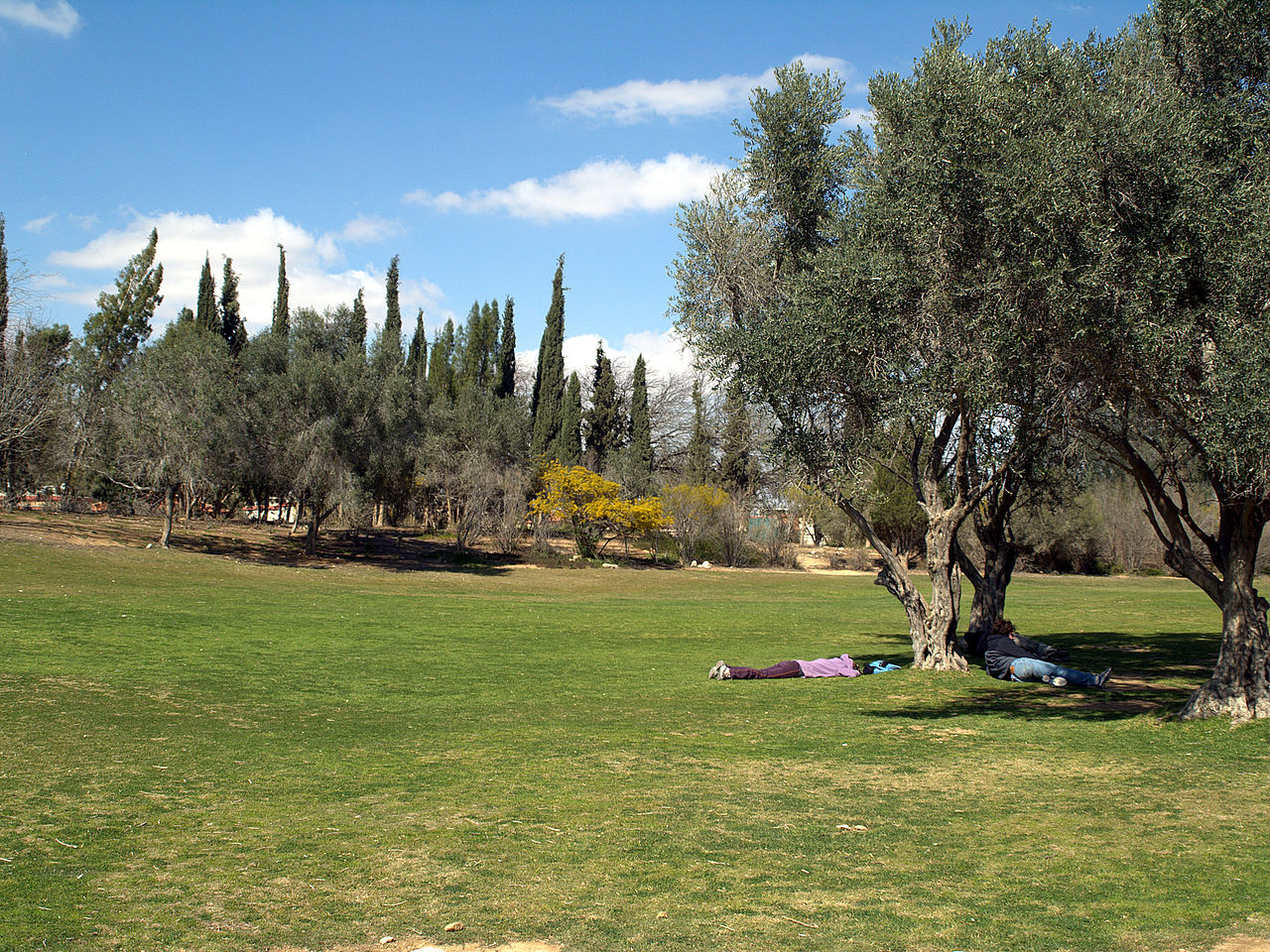
Geography and climate
The Negev is principally a desert environment with a gradient from semi-arid in the north to hyper-arid in the extreme south. It is bounded to the west by the border with Egypt and the adjacent Gaza Strip, to the east by the Arabah in the Great Rift Valley, and is often delimited to the north by an approximate line running from Gaza city to Ein Gedi near the Dead Sea. Summers are hot and dry, winters mild with most precipitation falling in a brief season; occasional winter storms and flash floods shape local hydrology.
Geology and landforms
The region contains varied landforms including erosion-formed craters, sandstone and limestone escarpments, volcanic hills and seasonal wadis. Makhtesh Ramon, often described as a crater-like erosional feature, is one of the most distinctive geological landmarks. Ancient copper-bearing sites such as Timna show long histories of mineral extraction and early metallurgy. These landforms are important for geological study and for outdoor recreation.
History and archaeology
The Negev has been a corridor for routes connecting the Arabian Peninsula with the Mediterranean. During the Hellenistic and Roman eras, the Incense Route carried luxury goods and spices northward, prompting the construction of towns, forts, caravanserai and agricultural terraces. Archaeological remains across the Negev include Nabatean installations, Byzantine churches and Ottoman-era structures. The series of sites related to this trade were recognized by UNESCO as a cultural landscape of international significance.
Population and settlements
Major urban centres in the Negev include Beersheba and Eilat, which serve as administrative, commercial and service hubs. A mix of Arab and Jewish communities, nomadic Bedouin groups, development towns and small agricultural settlements form the human geography of the region. Population density is low compared with national averages and settlement patterns often follow water availability, transport routes and historical land claims.
Economy and infrastructure
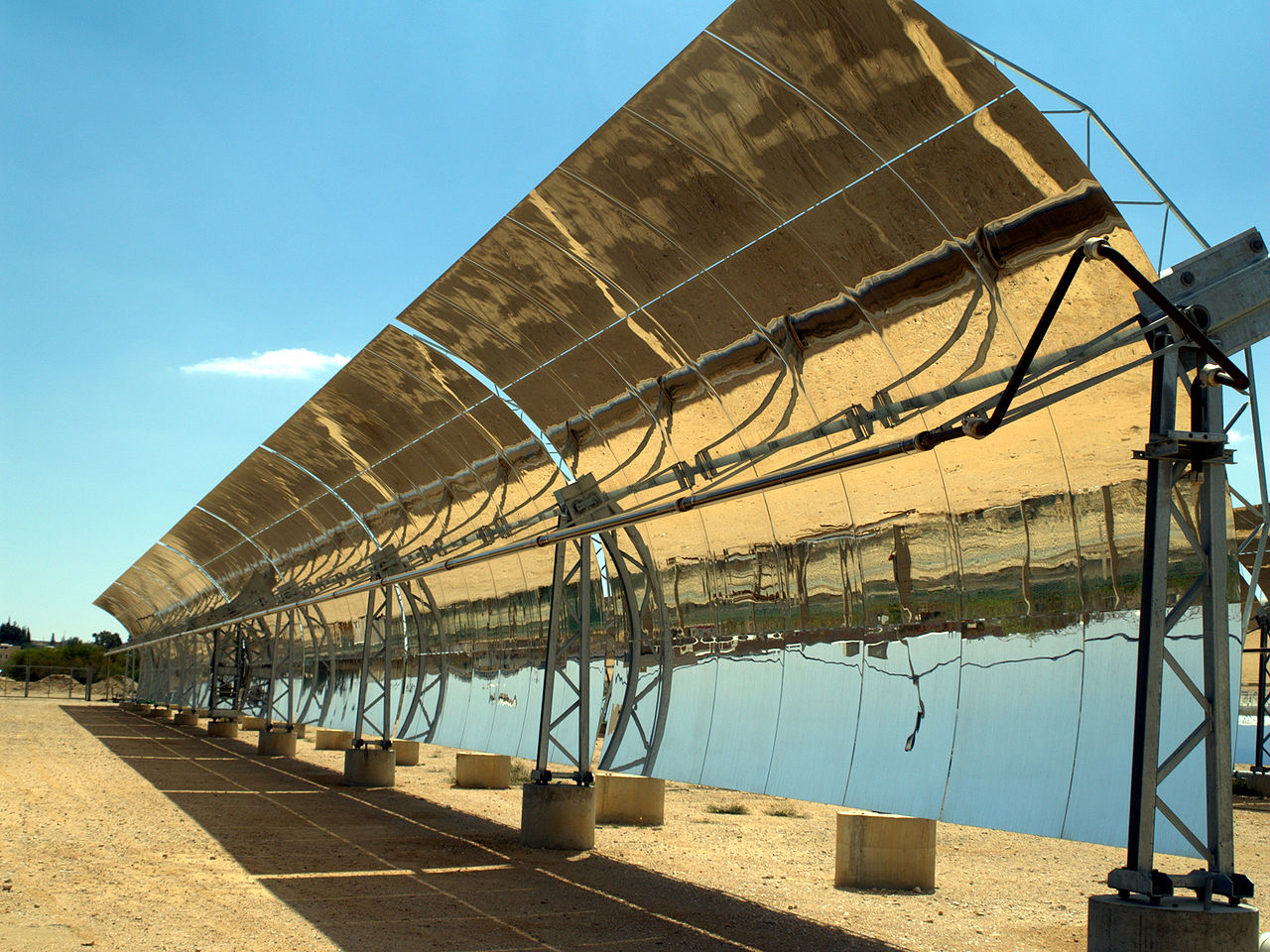
Economic activities combine agriculture adapted to arid conditions, mining and mineral processing, military installations and tourism. Desert agriculture relies on water-conserving technologies such as drip irrigation and, increasingly, desalination and treated wastewater. Eilat is a key tourist and port city on the Red Sea, while Beersheba hosts universities, research centres and regional services. Renewable energy projects, including solar installations, are growing in the region.
Ecology and conservation
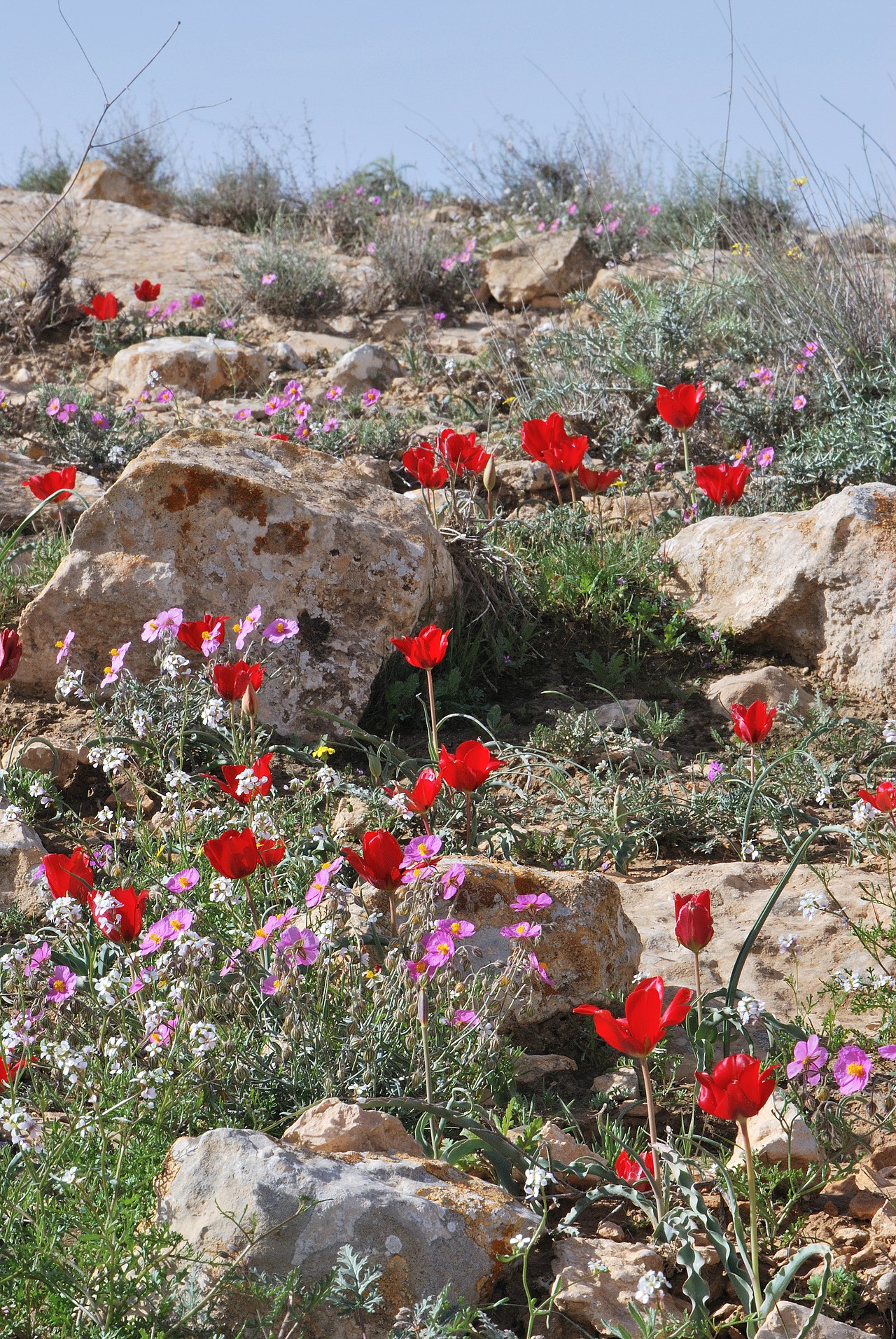
Despite low rainfall, the Negev supports specialized flora and fauna adapted to drought, including seasonal annuals, shrubs and desert-adapted mammals, reptiles and birds. Several national parks and nature reserves protect migratory bird corridors, endemic plants and archaeological landscapes. Conservation challenges include water scarcity, development pressure, off-road vehicle impacts and balancing cultural heritage protection with local livelihoods.
Tourism, research and future directions
The Negev attracts visitors for hiking, geological tourism, archaeology and birdwatching. Research institutions based in regional cities study desert agriculture, hydrology, solar energy and social issues affecting local communities. Sustainable development initiatives and careful planning are central to managing competing demands on land and water while preserving the region's natural and cultural assets.
Key places
- Beersheba and Eilat — principal urban centers and service hubs
- Makhtesh Ramon — major geological erosional feature
- Timna — ancient mining area and striking rock formations
- Incense Route sites — archaeological remains linked to Hellenistic and Roman trade and recognized by UNESCO
- Borderlands along Egypt, the Gaza Strip and the Great Rift Valley
The Negev remains a region of contrasts: harsh climate and resilient life, ancient routes and modern development, scientific interest and conservation needs. Its landscapes continue to shape human history and contemporary policy in the southern Levant.
Related articles
Author
AlegsaOnline.com Negev (Naqab): the desert region of southern Israel and the southern Levant Leandro Alegsa
URL: https://en.alegsaonline.com/art/69022
Sources
- whc.unesco.org : "Incense Route – Desert Cities in the Negev"