
Dead Sea
Salt lake at the Earth's lowest land elevation, between Jordan and the West Bank; renowned for extreme salinity, buoyant waters, mineral resources, and environmental challenges.
Overview
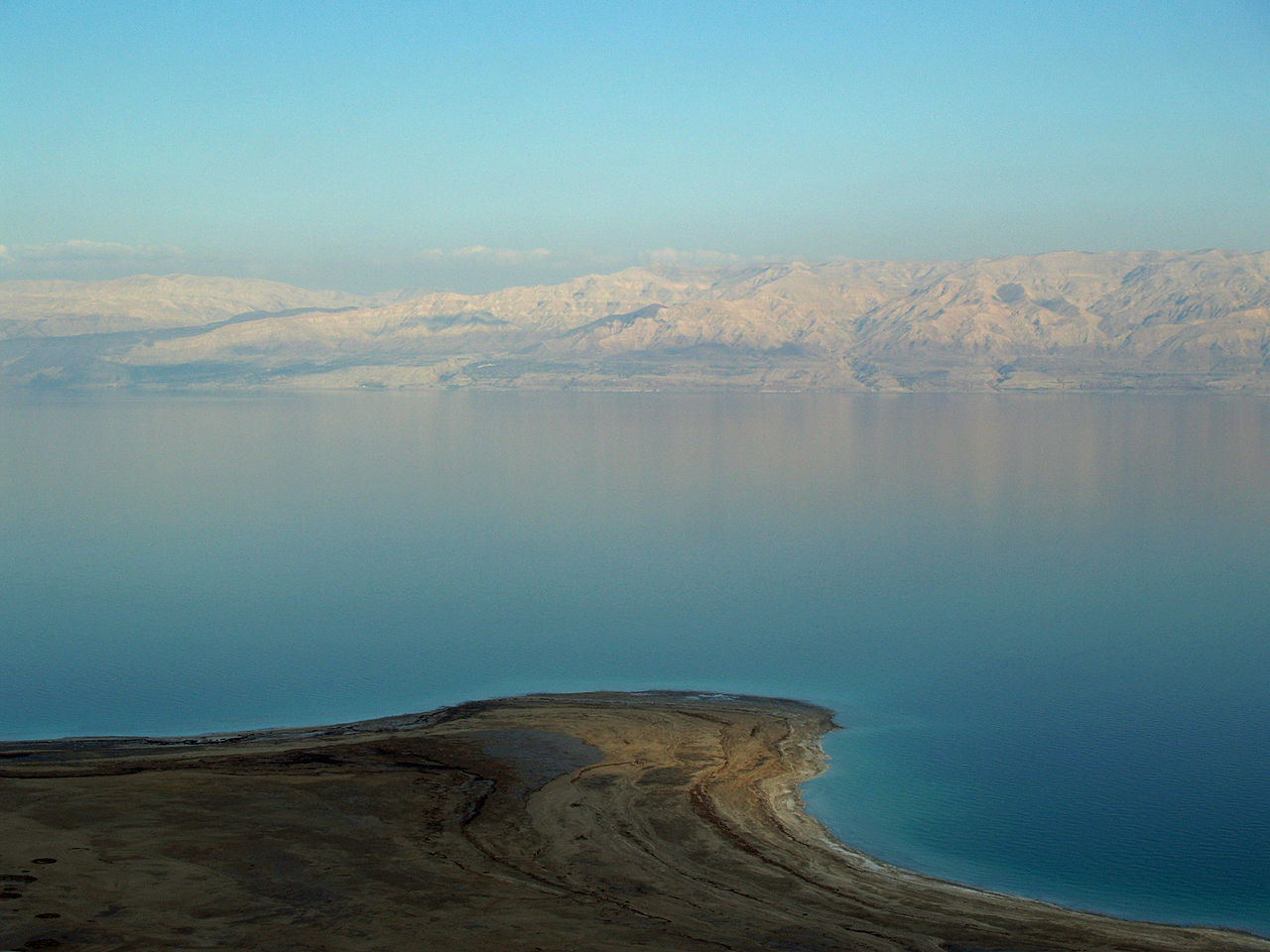
The Dead Sea is a hypersaline lake situated on the border between Jordan and the West Bank. Its basin lies well below global mean sea level and is one of the most distinctive inland water bodies on Earth. For a quick reference to its location, see map and coordinates.
Image gallery
10 Images




Location and physical setting
The lake occupies part of the Jordan Rift Valley and is shared by the territories of the West Bank and Jordan. The surface sits far below average ocean level; measurements and descriptions of its elevation are available at sea level resources, which explain why it is commonly described as the lowest exposed land point on Earth in most references, see lowest point.
Characteristics
- Salinity: The Dead Sea is extremely salty—several times saltier than typical seawater—so comparisons with ordinary ocean salinity are often used to illustrate this extremity.
- Biology: The high salt content prevents most multicellular organisms from surviving; descriptions of how most life is excluded contrast with the specialized microbes that remain, including halophilic bacteria and archaea.
- Buoyancy: Salt increases water density, which explains why humans float more easily in this water; popular guides discuss the phenomenon and safety tips at buoyancy and floating.
Because of these features, the Dead Sea has long attracted scientific interest as well as visitors seeking the unusual sensation of effortless floating. Many travel and health resources highlight its recreational reputation; see tourism information for visitor guidance.
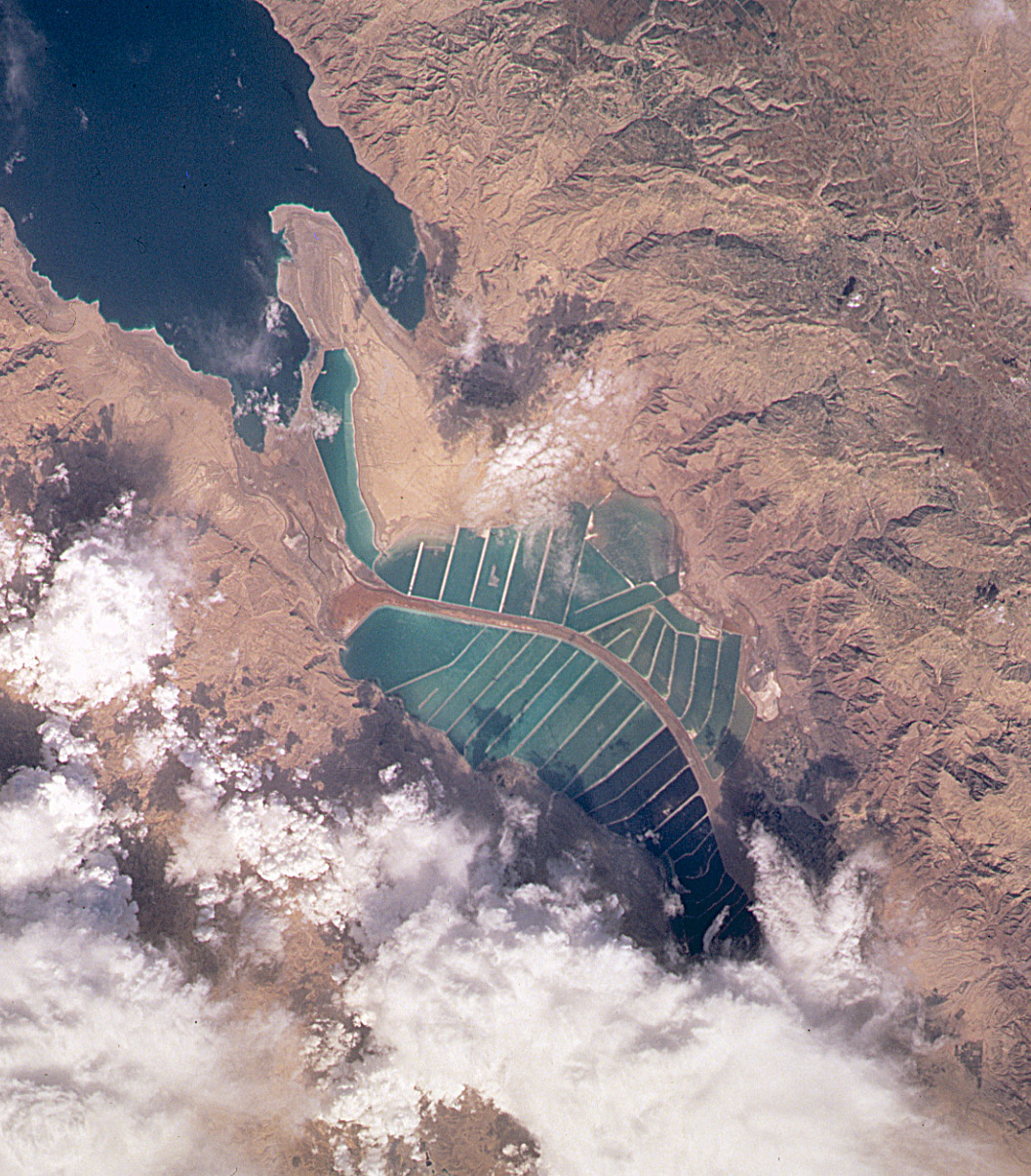
The lake also has economic and cultural importance: its mineral-rich waters and shoreline deposits yield salts and potash that are harvested commercially. Geologically, it lies within a tectonic rift system, and its basin reflects long-term evaporation and inflow patterns. In recent decades the surface area and water level have fallen, prompting concerns about water management, sinkholes along the shore, and regional environmental impacts. Efforts to study and address these challenges combine local initiatives and international scientific research.
Notable distinctions: although commonly called "dead" because most larger organisms cannot live in it, the Dead Sea sustains extremophile microorganisms and supports a human economy based on its minerals and therapeutic marketing. Its unique combination of geography, chemistry, and human use makes it an important natural landmark and a subject of ongoing environmental attention.
Questions and answers
Q: What is the Dead Sea?
A: The Dead Sea is a lake between the West Bank and Jordan. It is 418 metres (1,371 feet) below sea level and is the lowest point on the surface of the Earth.
Q: How salty is the Dead Sea compared to ocean water?
A: The Dead Sea is almost nine times as salty as ocean water.
Q: Is there any life in the Dead Sea?
A: Although it has been given its name because most life cannot exist in it due to its saltiness, some types of bacteria are able to live in the water.
Q: Why can people float so easily in the Dead Sea?
A: Because of its high salinity, the water weighs more than fresh water which allows people to float without any effort.
Q: What attracts tourists to visit this location?
A: Tourists come from around world to experience floating in this unique body of water.
Q: How deep below sea level is the Dead Sea?
A: The Dead Sea sits at 418 metres (1,371 feet) below sea level.
Related articles
Author
AlegsaOnline.com Dead Sea Leandro Alegsa
URL: https://en.alegsaonline.com/art/25960
Sources
- jewishvirtuallibrary.org : "Virtual Israel Experience: The Dead Sea"
- eingedi.co.il : Dead Sea Data Summary 2012
- web.worldbank.org : The World Bank - 'The Red Sea - Dead Sea Water Conveyance Study Program' - 2013
- isramar.ocean.org.il : "Monitoring of the Dead Sea"
- encarta.msn.com : encarta.msn.com/encyclopedia_761556205/Dead_Sea.html · webcitation.org