
Nation-state: definition, characteristics, history and modern challenges
A nation-state is a political state whose borders largely coincide with a single cultural or ethnic nation. This article explains its features, history, variations, significance, and contemporary issues.
Overview
The term nation-state describes a form of political organization in which a sovereign state largely overlaps with a single nation — a population sharing common identity markers such as language, history, or culture. In practice the phrase highlights alignment between political authority and collective identity, though perfect overlap rarely exists.
Image gallery
8 Images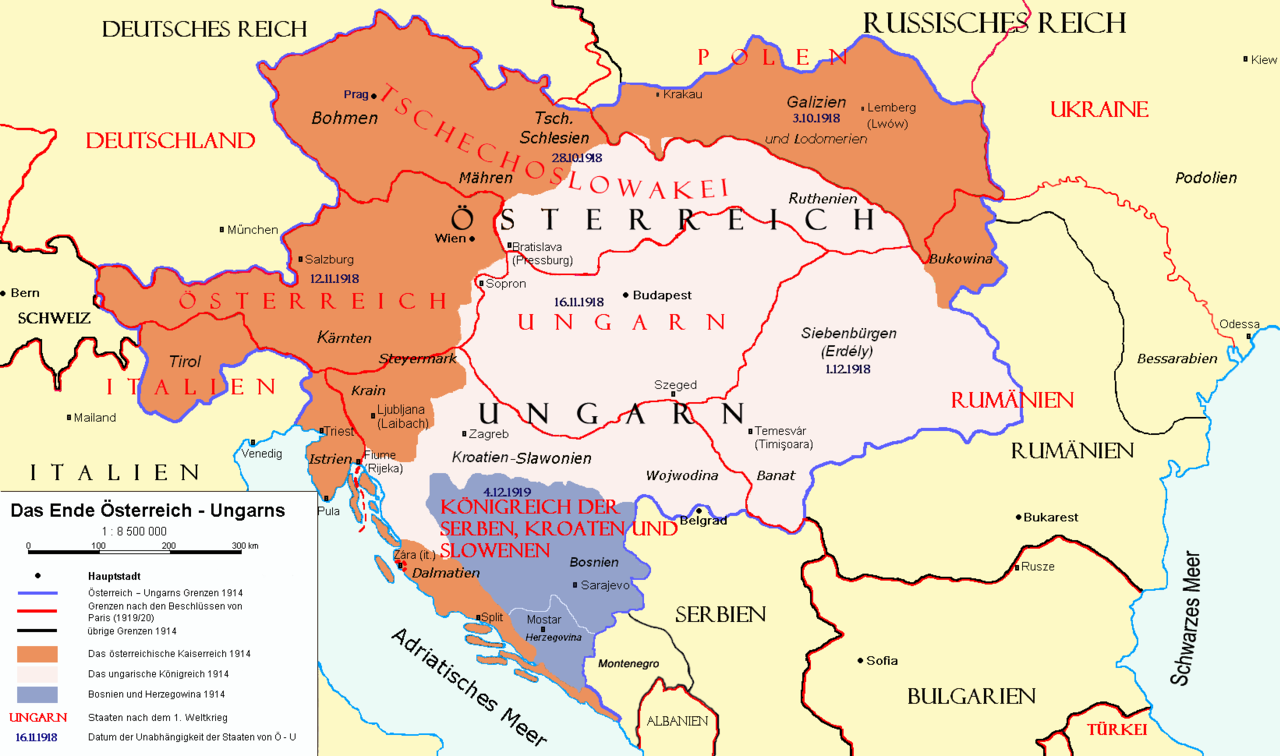




Key components
A nation-state rests on two related concepts. The first is the state: institutions of governance, recognized borders, and legal sovereignty. The second is the nation: a socially constructed community defined by shared cultural traits, often including a common language, myths of origin, or shared public memory. The distinction between political and cultural aspects is often emphasized with terms such as political authority versus cultural belonging.
Characteristics and types
- Territorial sovereignty: a defined geographic area under a central government.
- Common identity: a majority or dominant group that forms the public culture.
- Legal institutions: laws and administration that claim representation of the nation.
- Variations: civic nation-states emphasize citizenship and law, while ethnic nation-states emphasize ancestry and cultural descent; many countries combine features of both.
Historical development
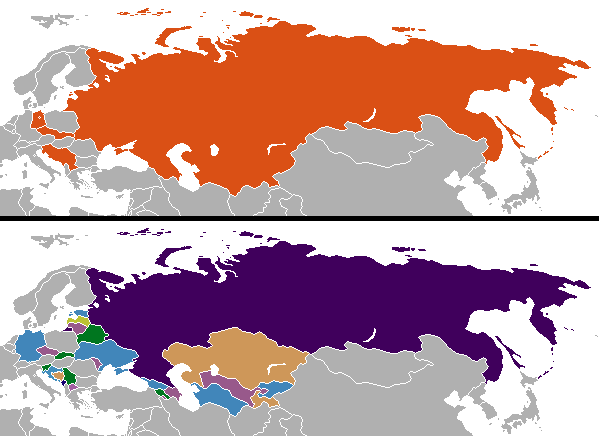
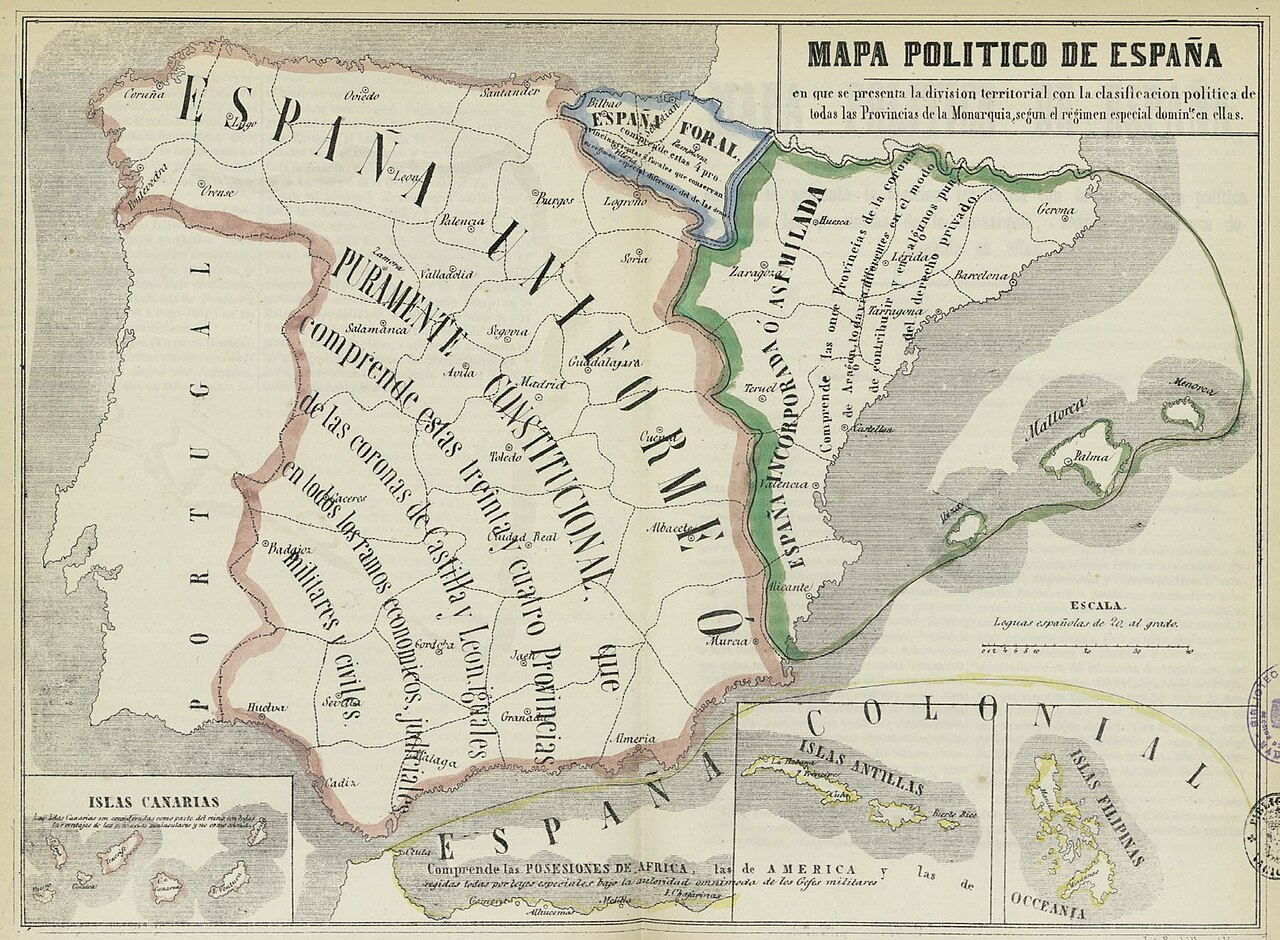
The modern nation-state emerged gradually in Europe between the 17th and 19th centuries as feudal polities gave way to centralized monarchies and, later, to states legitimized by popular sovereignty. Industrialization, mass education, print languages, and bureaucratic administration helped create large populations that shared common cultural references. Colonialism and decolonization spread the state model globally, producing new states whose internal national composition varied widely.
Functions and importance
Nation-states provide frameworks for law, public services, economic management, and international diplomacy. Their claim to represent a unified people can strengthen social cohesion, legitimize taxation and conscription, and support mass political participation. At the same time, policies that seek to homogenize diverse populations may marginalize minorities.
Variations, challenges and notable facts
Not all states are nation-states: some are multinational, federal, or imperial in form. Tensions between state boundaries and national identities can produce autonomy movements, irredentism, or demands for federal arrangements. Contemporary issues include migration, multiculturalism, and globalization, which complicate simple equations of territory and identity. Scholars and policymakers continue to debate whether the nation-state will remain the dominant political model or adapt to changing social realities.
For further reading on the separate dimensions, see resources about the ethnic basis of nations and the role of culture in state formation, and consult general references on political structures and governance for comparative perspectives. More introductory material can be found via concise overviews at nation-focused entries and state-focused summaries at state-oriented sources.
Related articles
Author
AlegsaOnline.com Nation-state: definition, characteristics, history and modern challenges Leandro Alegsa
URL: https://en.alegsaonline.com/art/68501
Sources
- nationalityinworldhistory.net : nationalityinworldhistory.net