
Nagasaki Prefecture: History, geography, and cultural significance
Prefecture on Kyūshū island centered on the port city of Nagasaki; known for its maritime history, Christian heritage, industrial sites, volcanic landscapes and island communities.

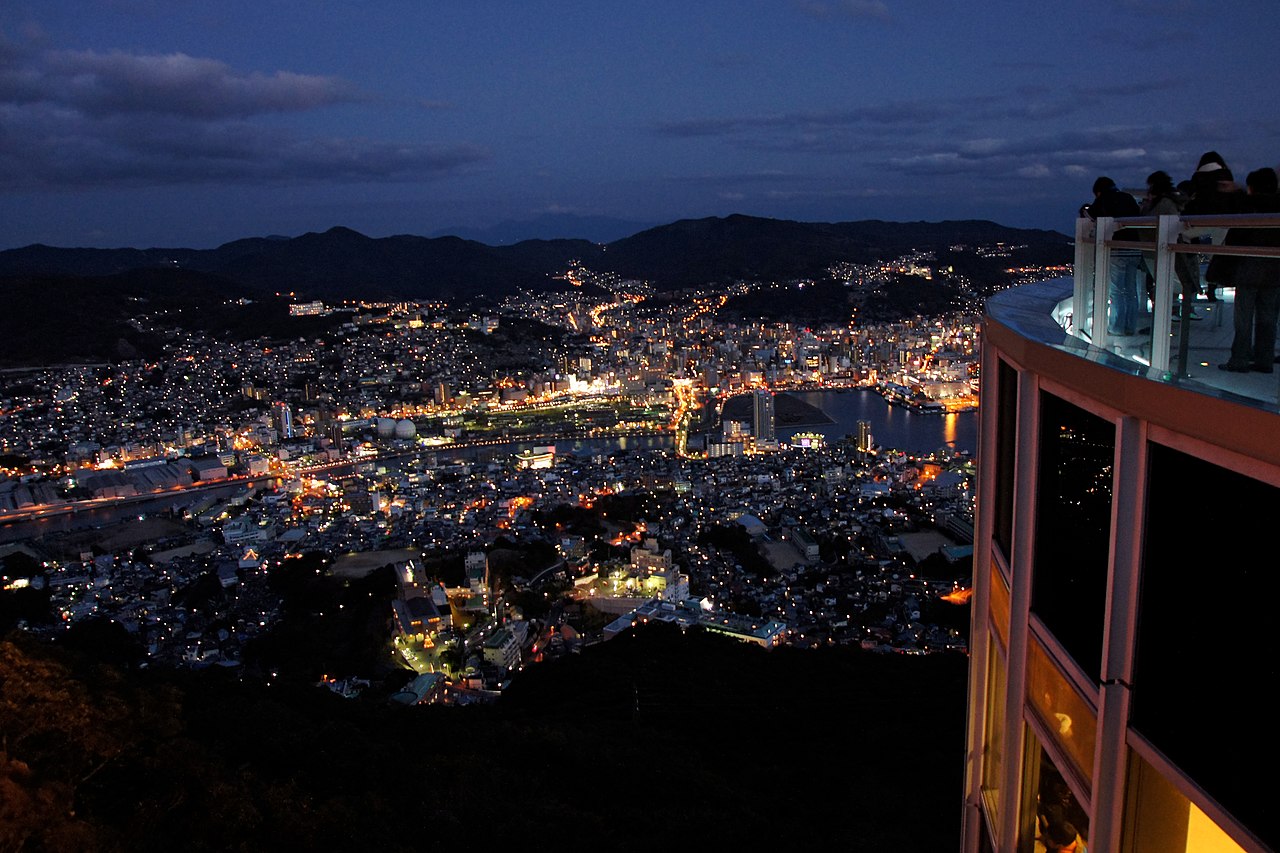
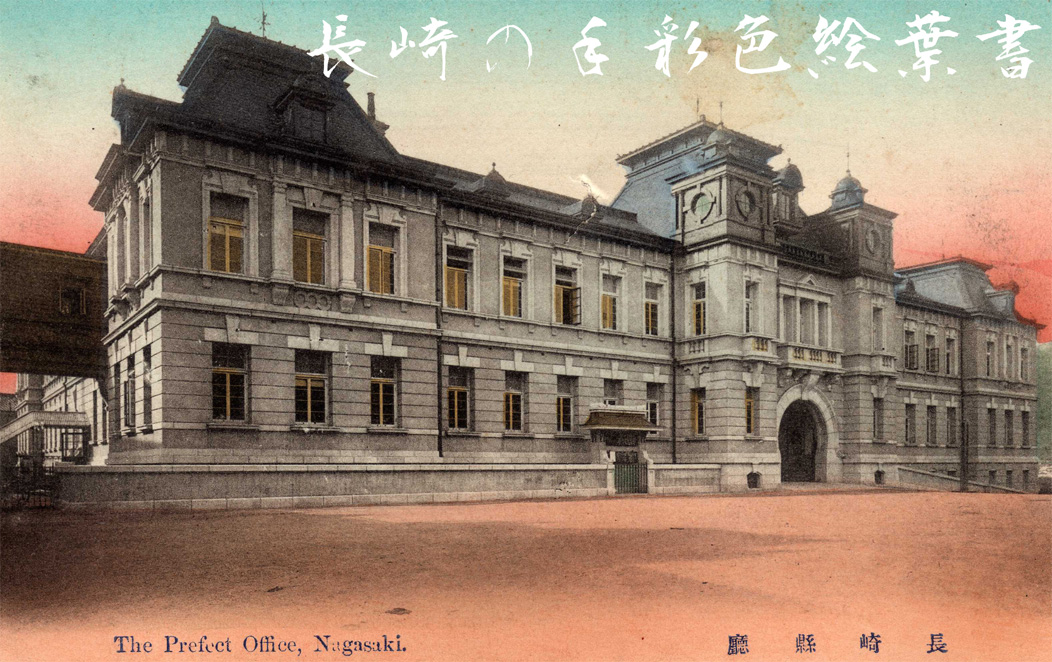
Nagasaki Prefecture occupies a western corner of the island of Kyūshū and faces the East China Sea. Its capital and largest city, Nagasaki, grew as a strategic port and window to foreign trade. The prefecture's coastline, peninsulas and numerous offshore islands shape a landscape of harbors, bays and fishing towns. Administratively it is one of Japan's regional prefectures and combines both urban and rural districts; see general information about the prefecture for governmental context.
Image gallery
10 Images




Geography and environment
The terrain includes peninsulas such as Shimabara, volcanic ranges including Mount Unzen, and chains of inhabited and uninhabited islets. Fertile plains around volcanic slopes support agriculture, while surrounding waters sustain fisheries. The mix of sheltered ports, rugged coastlines and island clusters creates diverse ecosystems and scenic routes popular with visitors.
History and cultural heritage
Nagasaki has long been an international doorway for contacts between Japan and other cultures. During the early modern period it was one of the few ports open to limited European and Asian trade. This legacy left distinctive religious and architectural influences: Christian communities, missionary history and unique local customs that persisted even during centuries of national seclusion. The city of Nagasaki was also the target of an atomic bombing in 1945; its postwar recovery and memorials are central to the prefecture's modern identity.
Economy, industry and tourism
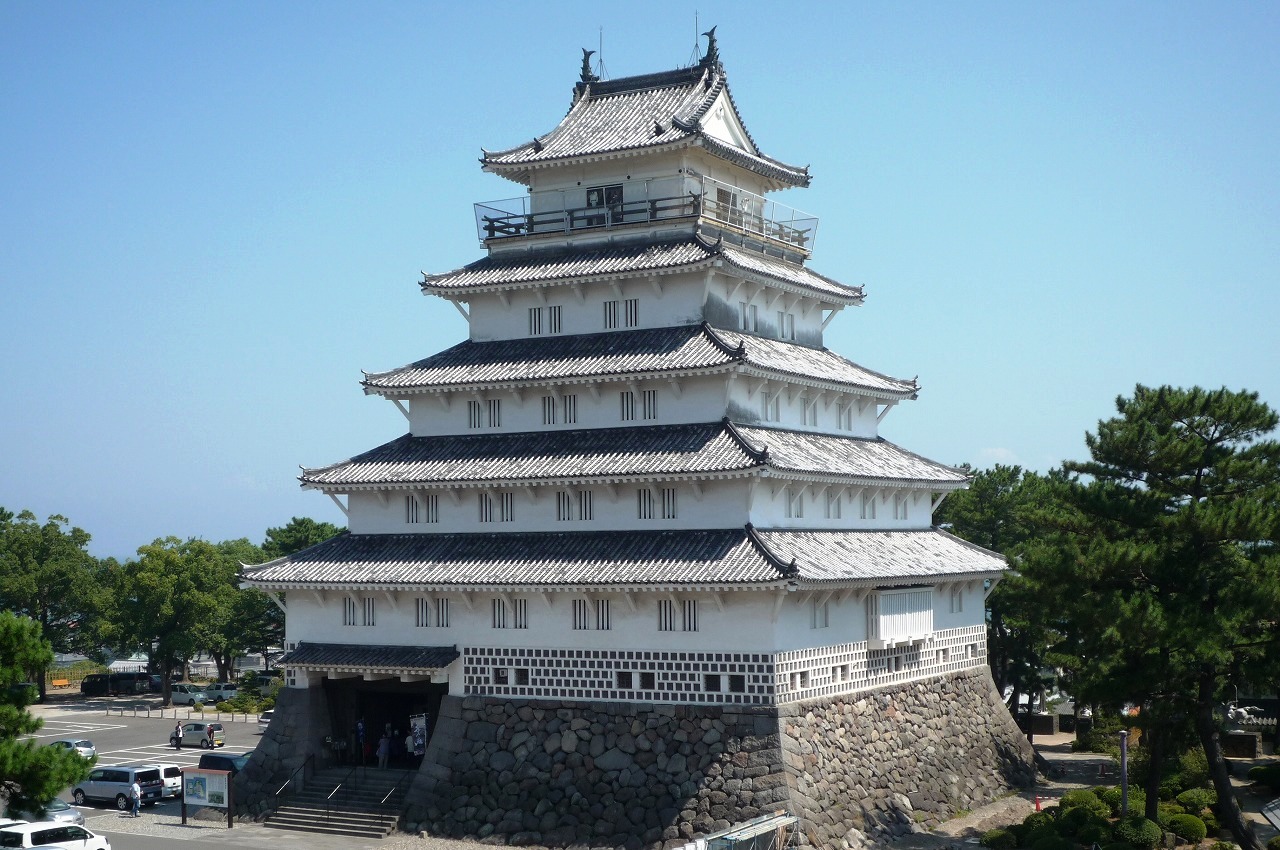
Economic activities range from shipbuilding and heavy industry to agriculture, fishing and service sectors. Several sites in Nagasaki Prefecture are internationally recognized for their historical industrial heritage and cultural value. Tourism centers on historical districts, peace memorials, volcanic landscapes, hot springs, and attractions such as reconstructed trading sites and theme parks. Island sites, including some abandoned industrial islets, draw both historical and photographic interest.
Notable facts and distinctions
- The prefecture contains recognized heritage locations that reflect its international and religious history.
- Volcanic activity and the presence of hot springs are important for both hazard awareness and tourism.
- Its port history made Nagasaki a focal point for cultural exchange, shipbuilding and maritime commerce.
For further reading on regional aspects, administration and travel planning consult broader sources about Japan and Kyūshū, and official prefectural guides and visitor resources provided by local authorities and cultural organizations.
Questions and answers
Q: Where is Nagasaki Prefecture located?
A: Nagasaki Prefecture is located in Japan on the island of Kyūshū.
Q: What is the capital city of Nagasaki Prefecture?
A: The capital city of Nagasaki Prefecture is Nagasaki.
Q: What is Nagasaki Prefecture?
A: Nagasaki Prefecture is a prefecture in Japan.
Q: Which island is Nagasaki Prefecture located on?
A: Nagasaki Prefecture is located on the island of Kyūshū.
Q: What is the name of the capital city of Nagasaki Prefecture?
A: The capital city of Nagasaki Prefecture is Nagasaki.
Q: What is the meaning of "ken" in Nagasaki-ken?
A: "Ken" is the Japanese word for "prefecture".
Q: In which country is Nagasaki Prefecture located?
A: Nagasaki Prefecture is located in Japan.
Related articles
Author
AlegsaOnline.com Nagasaki Prefecture: History, geography, and cultural significance Leandro Alegsa
URL: https://en.alegsaonline.com/art/68096
Sources
- books.google.com : "Nagasaki prefecture"
- jetro.go.jp : Nagasaki Prefecture, Regional Information
- books.google.com : "Provinces and prefectures"
- books.google.com : The Ultimate Book of Top Ten Lists: A Mind-Boggling Collection of Fun, p. 697
- env.go.jp : "General overview of area figures for Natural Parks by prefecture"
- eos.kokugakuin.ac.jp : "Hachiman Shinkō,"
- eos.kokugakuin.ac.jp : "Nationwide List of Ichinomiya," p. 3