
Nakhchivan Autonomous Republic
Autonomous, landlocked exclave of Azerbaijan bordering Armenia, Iran and Turkey; overview of its geography, history, governance, culture and strategic importance.
Overview
The Nakhchivan Autonomous Republic (Azerbaijani: Naxçıvan Muxtar Respublikası) is a landlocked exclave of the Republic of Azerbaijan. Separated from Azerbaijan's main territory by Armenian land, it lies at a crossroads of the South Caucasus and the Iranian plateau. The region has a distinct autonomous status within Azerbaijan, its own local institutions, and a compact population concentrated in the capital and several towns.
Image gallery
10 Images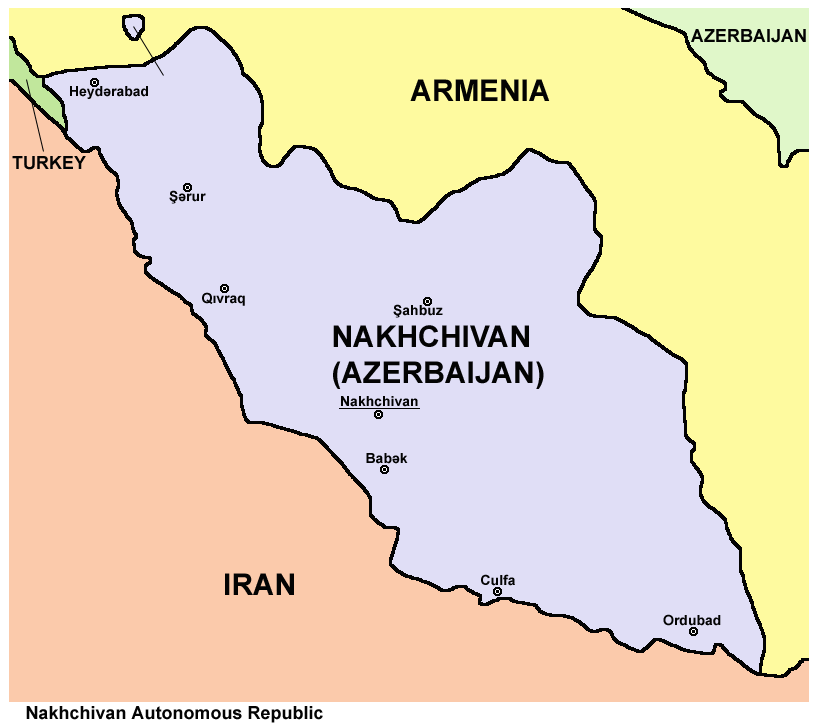




Geography and administration
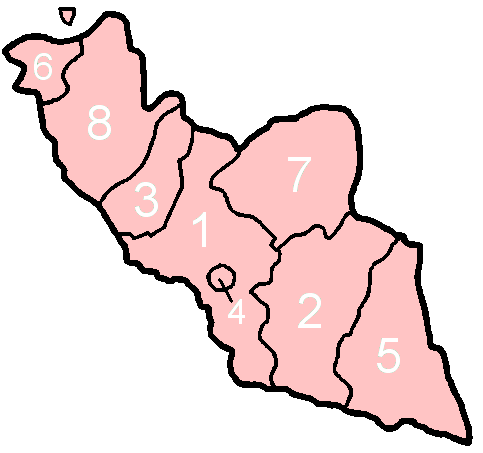
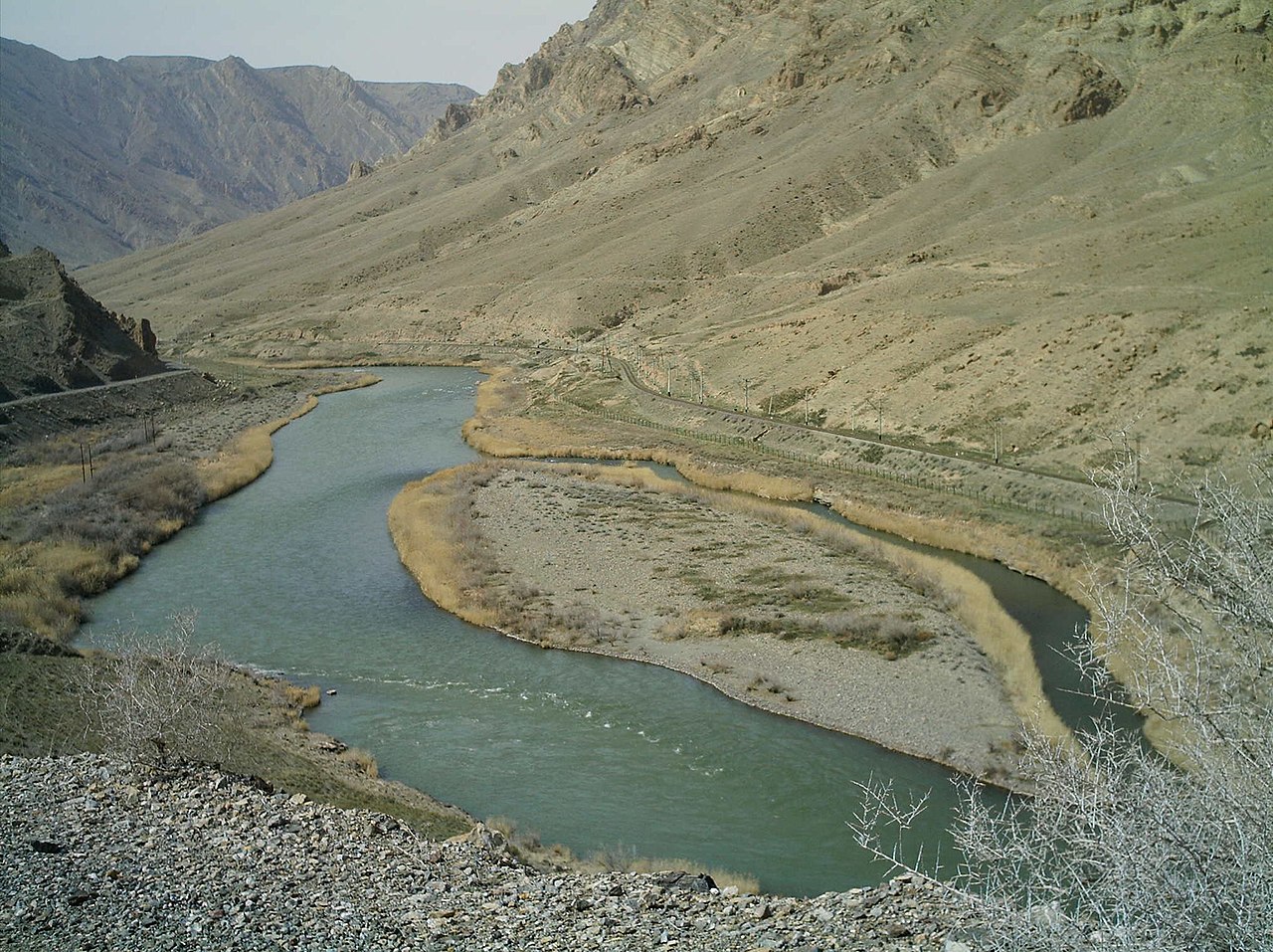
Nakhchivan covers roughly 5,500 km² and had a population on the order of several hundred thousand in recent counts; it shares land borders with Armenia to the east and north, Iran to the south and west, and a short frontier with Turkey to the northwest. The territory is mountainous in parts and includes river valleys and semi-arid plains. Administratively it is organized around a central capital city and a number of districts, and it operates under an autonomous constitution with a regional legislature and executive bodies.
History and political development
The area has a layered history as part of ancient kingdoms, medieval principalities and successive imperial states in the Caucasus. In the 20th century, shifting borders and population changes followed the collapse of empires and the emergence of Soviet rule. After World War I and related treaties in the early 1920s the status of Nakhchivan was settled in international agreements and later incorporated into the Azerbaijani Soviet Socialist Republic as an autonomous entity. With the dissolution of the Soviet Union, it continued as an autonomous republic within independent Azerbaijan.
Culture and notable sites
Nakhchivan preserves a range of cultural and historical monuments, including medieval mausoleums, caravanserais and ancient settlements that reflect Persian, Turkic and Caucasian influences. Local architecture, crafts and traditions remain important to regional identity. Visitors and researchers often note monuments from the medieval era and natural features such as mountain landscapes and caves that are part of the area's heritage.
Economy, transport and daily life
The local economy mixes agriculture, light industry and services. Because the region is separated from the rest of Azerbaijan by another country, air links and cross-border trade corridors have a special economic and strategic importance. A regional airport connects the capital with Baku and other destinations, and overland routes link Nakhchivan with neighboring Iran and Turkey. Economic life is adapted to the exclave's geography and to the regional political context.
Distinctive facts and contemporary relevance
- Nakhchivan's status as an exclave makes it geopolitically significant in Caucasus diplomacy and transport planning.
- Its autonomous institutions permit a degree of self-governance within the framework of the Azerbaijani state.
- The short border with Turkey is one of the few direct connections between Azerbaijan and NATO-member territory in the region.
- Scholars and visitors study its archaeological sites and medieval architecture to trace cultural links across the region.
For further general background see materials on the region's name and official terminology (Azerbaijani name), concepts of exclaves and landlocked areas (exclave), and information about the parent state (Azerbaijan) and neighboring countries (Armenia, Iran, Turkey).
Questions and answers
Q: What is the Nakhchivan Autonomous Republic?
A: The Nakhchivan Autonomous Republic is a landlocked exclave of the Republic of Azerbaijan.
Q: How large is the region?
A: The region covers 5,502.75 km2 (2,124.62 sq mi).
Q: How many people live in the region?
A: There are 459,600 people living in the region.
Q: What countries does it border?
A: It borders Armenia to the east and north, Iran to the south and west, and Turkey to the northwest.
Q: How long is its border with Armenia?
A: Its border with Armenia is 221 km (137 mi) long.
Q: How long is its border with Iran?
A: Its border with Iran is 179 km (111 mi) long.
Q: How long is its border with Turkey?
A: Its border with Turkey is 8 km (5.0 mi) long.
Related articles
Author
AlegsaOnline.com Nakhchivan Autonomous Republic Leandro Alegsa
URL: https://en.alegsaonline.com/art/68162
Sources
- nakhchivan.az : Nakhchivan Autonomous Republic
- nakhchivan.az : Cities and regions