
Mutiny on the Bounty
The 1789 mutiny aboard HMS Bounty, led by Fletcher Christian against Captain William Bligh, its causes, voyage, aftermath and enduring cultural impact in books, films and music.
The Mutiny on the Bounty is one of the best-known episodes of naval history. On 28 April 1789 crew members aboard the small Royal Navy vessel HMS Bounty rose against their commander, an event that combined maritime hardship, colonial ambition and interpersonal conflict. The incident has been retold in histories, novels and popular culture and continues to prompt debate about leadership, discipline and life at sea.
Image gallery
10 Images


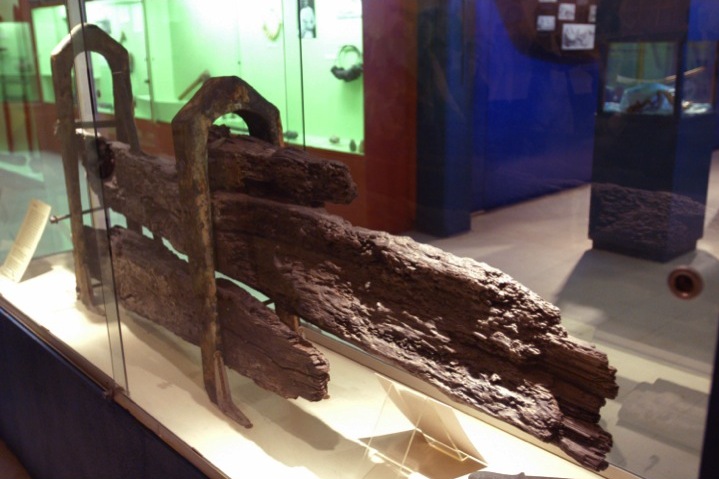


Ship and mission
HMS Bounty was a modest three‑masted, fully rigged vessel assigned a botanical mission. Its voyage was not primarily military but scientific and commercial: to transport breadfruit plants from the South Pacific to British colonies in the Caribbean as a cheap food source for enslaved laborers. The small size of the ship and the demands of caring for living plants shaped daily routines and tensions aboard.
Characteristics and daily life
- Small complement: the ship carried a compact crew and limited space for supplies and plants.
- Leadership structure: standard naval hierarchy under a commissioned captain and warrant officers.
- Harsh conditions: long periods at sea, close quarters, strict discipline and cultural contact with Tahiti contributed to changing loyalties.
The mutiny
On 28 April 1789 Fletcher Christian led a group of sailors who seized control of the vessel and placed Captain William Bligh and loyalists in a small launch. The seizure itself—commonly referred to simply as the mutiny—has been described in many ways: as a deliberate plot, a spontaneous uprising or a response to perceived cruelty and injustice. Bligh then undertook an extraordinary navigation in an open boat, guiding his men across thousands of miles of ocean to reach safety.
Aftermath and settlement
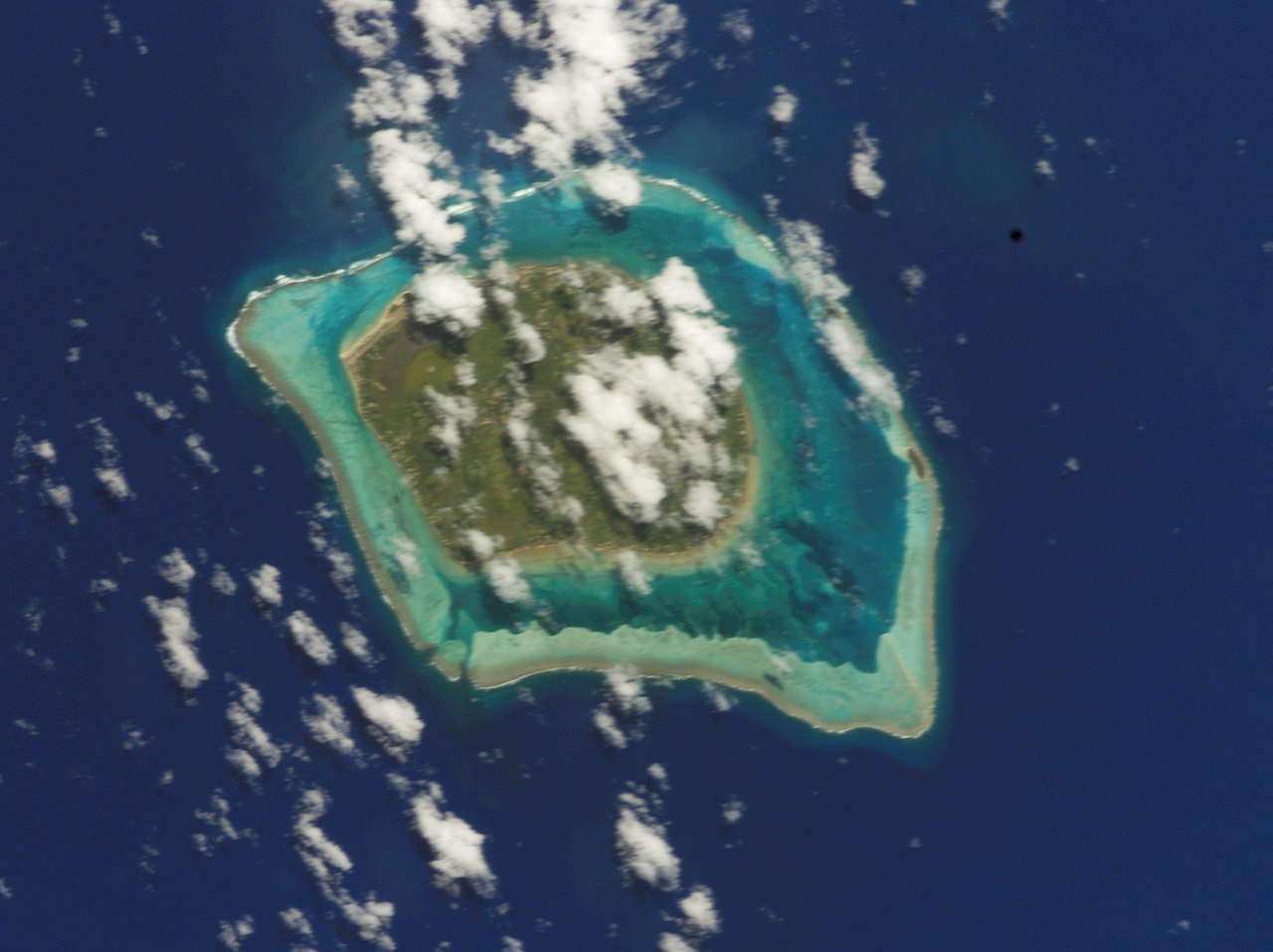
Following the mutiny, some of the mutineers returned to Tahiti while others sought isolation and eventually settled on Pitcairn Island, where they attempted to establish a new community. Several mutineers who remained in the Pacific were later located by British vessels and brought to trial; some defendants faced punishment under naval law. Pitcairn later became famous as a remote community with direct links to the event.
Legacy and cultural impact
The episode has inspired numerous retellings, scholarly studies and creative works. It appears in films and dramatizations (films), songs and popular music (songs), as well as academic and popular histories. Historians continue to reassess motives and character: Captain Bligh has been portrayed alternately as a brutal martinet and as a skilled navigator unfairly maligned, while Fletcher Christian has been cast as either a rebel or a desperate man. For further reading and primary sources see general collections and specialist studies available through major libraries and archives (films and dramatizations provide reinterpretations; biographies of Bligh offer perspective).
Because the mutiny touches on navigation, colonial policy, naval discipline and cross‑cultural encounters, it remains a useful case study for students of maritime history and popular culture alike. Modern scholarship emphasizes complexity over legend, seeking to place the event in the broader context of the late 18th‑century Pacific and British seafaring.
Questions and answers
Q: What is the Mutiny on the Bounty?
A: The Mutiny on the Bounty is a famous story of a crew taking over a ship named HMS Bounty in 1789.
Q: Why did the Mutiny on the Bounty become famous?
A: The Mutiny on the Bounty became famous because of the many books, movies, and songs that were created based on the story.
Q: What type of ship was the Bounty?
A: The Bounty was a small, three masted, fully rigged, sailing ship.
Q: When did the crew mutiny on the Bounty?
A: The crew mutinied on the Bounty on 28 April 1789.
Q: Who was the captain of the Bounty?
A: The captain of the Bounty was named William Bligh.
Q: What did the crew do during the mutiny on the Bounty?
A: The crew took over the ship during the mutiny on the Bounty.
Q: How many masts did the Bounty have?
A: The Bounty had three masts.
Related articles
Author
AlegsaOnline.com Mutiny on the Bounty Leandro Alegsa
URL: https://en.alegsaonline.com/art/67832
Sources
- library.puc.edu : "HMS Bounty"
- lareau.org : "Pitcairn and Norfolk Genealogy"
- library.puc.edu : "Bounty's Crew Encyclopedia"