
My Lai Massacre (1968)
The My Lai Massacre was a mass killing of Vietnamese civilians by U.S. soldiers on March 16, 1968. The event, its cover-up, and subsequent trials changed public opinion and influenced military law and ethics.
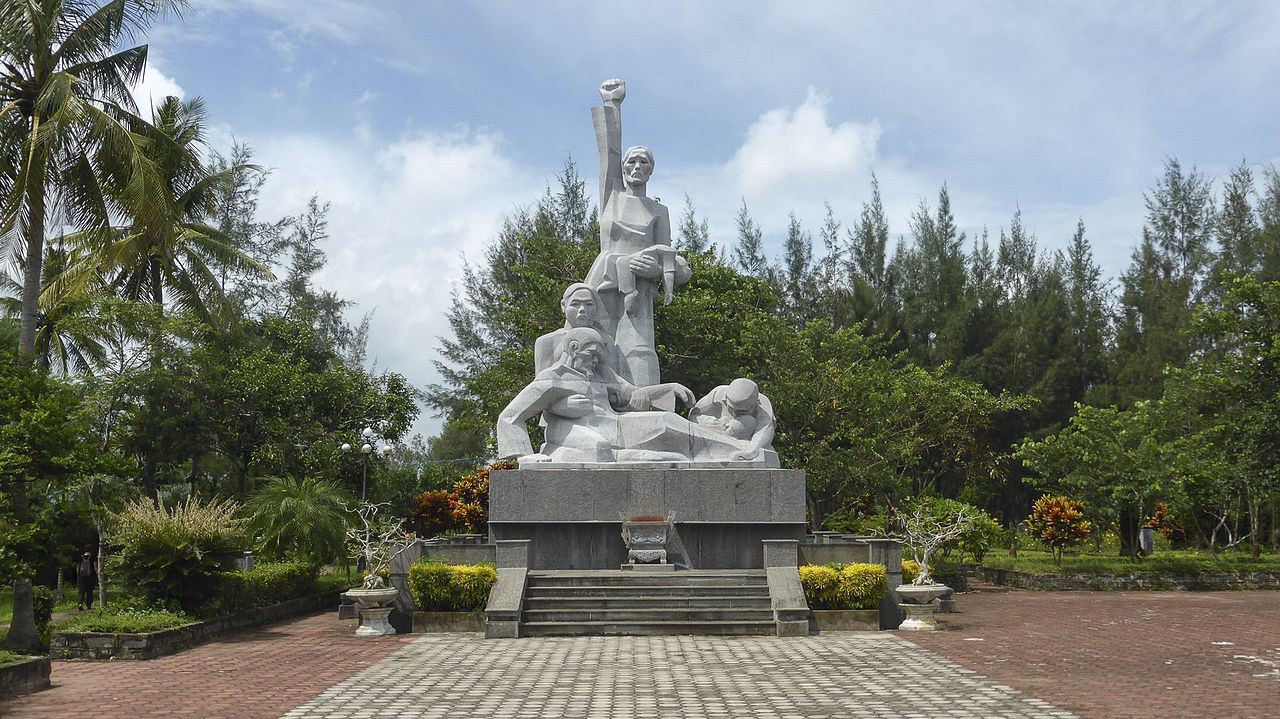
The My Lai Massacre was a mass killing of civilians carried out by United States troops in the hamlet of My Lai on March 16, 1968. When Army units entered the village they encountered virtually no organized enemy resistance. Instead, members of the unit proceeded to kill men, women, children and infants; a memorial at My Lai lists the names of 504 victims. The episode is widely regarded as one of the most notorious war crimes of the Vietnam War.
Image gallery
10 Images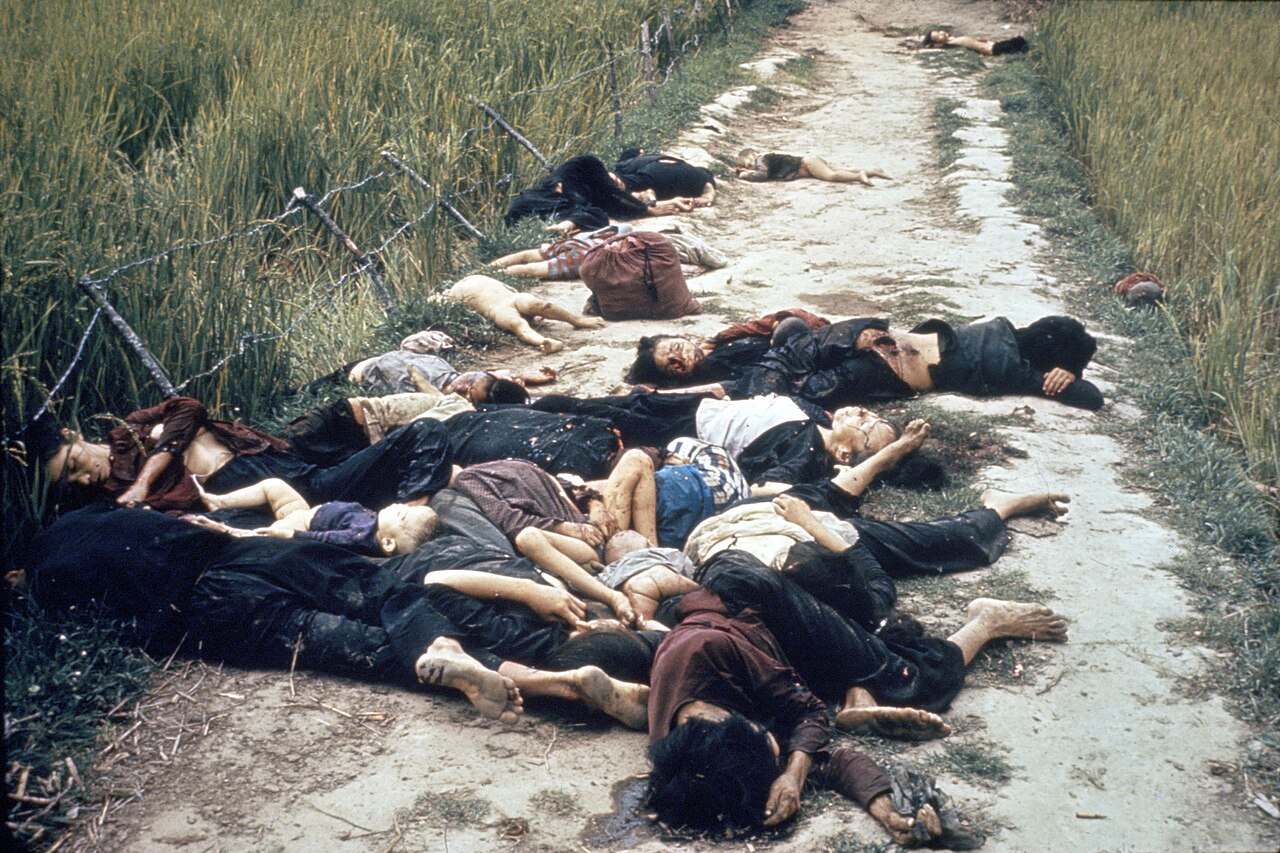




Background and immediate circumstances
The operation that led to the killings took place during a period of intensified "search-and-destroy" missions in central Vietnam, aimed at clearing suspected insurgent activity. Units were often operating under heavy stress, confusing orders, and an environment in which distinguishing combatants from civilians could be difficult. Soldiers were told that villagers were hostile or were believed to be associated with insurgent forces; when no armed enemy was found at My Lai, many of the soldiers nonetheless killed civilians, including the elderly and infants.
The day of the massacre and the intervention
Eyewitness accounts and later investigations described systematic killings, destruction of property, and other abuses during a single operation. The slaughter was interrupted when an American helicopter and its crew intervened. A helicopter crewman and pilot came across civilians under fire and helped evacuate survivors; the actions of the aviators ultimately forced a halt to the killings. Contemporary reporting and later testimony identified the helicopter pilot who challenged the ground troops and reported the events to higher command.
Investigation, prosecutions, and public reaction
Initially, higher authorities sought to suppress or minimize the incident, but investigations by military and civilian journalists and a formal Army inquiry uncovered the scope of the killings. Twenty-six soldiers were charged with crimes related to My Lai; the most prominent conviction was that of Lieutenant William Calley. The case drew intense public attention and debate, helped fuel antiwar sentiment, and raised questions about command responsibility and the rules of engagement followed in combat zones.
Consequences and significance
- Legal and ethical: The massacre prompted renewed emphasis on lawful conduct in war, expanded training on the treatment of civilians, and further examination of how orders and command climate affect behavior.
- Military reforms: The U.S. Army reviewed procedures for reporting and investigating allegations of misconduct and reassessed how small-unit operations were planned and supervised.
- Public opinion: Public reaction to My Lai contributed to growing opposition to the Vietnam War and heightened scrutiny of military operations overseas.
Legacy and remembrance
My Lai remains a focal point for discussions about wartime atrocity, accountability, and reconciliation. Memorials and scholarly work seek to document victims and preserve testimony, while debates continue about responsibility at different levels of command. The event is often referenced in studies of military ethics and is taught as a case illustrating how stress, poor leadership, and dehumanizing attitudes can lead to grave violations of law and morality.
For accounts of the event from different perspectives, see official and journalistic sources, including military records and investigative reports. Additional resources provide biographies of participants, legal analyses of the trials, and reflections by survivors and witnesses. Contemporary reports and later historical studies remain essential for understanding the full context of what occurred in My Lai and how it shaped subsequent policy and public discourse. Related primary and secondary sources include military statements and eyewitness testimony compiled in official inquiries and media coverage over the years (military report, eyewitness accounts, indictment records).
Questions and answers
Q: What was the My Lai Massacre?
A: The My Lai Massacre was the killing of hundreds of civilians by United States troops at the village of My Lai, Vietnam on March 16, 1968.
Q: How many victims were listed in the My Lai memorial?
A: The My Lai memorial lists the names of 504 victims.
Q: What were U.S. troops told before the My Lai Massacre?
A: Before the My Lai Massacre, U.S. troops were told that all of the "true" civilians would be at the market and the remaining people would be members of the National Front for the Liberation of South Vietnam.
Q: Who were the victims of the killings in My Lai?
A: The victims of the killings in My Lai were mainly elderly people, women, and children.
Q: Who stopped the killings in My Lai?
A: The killings in My Lai were stopped by an American helicopter pilot.
Q: How was the My Lai Massacre covered up?
A: The My Lai Massacre was covered up by the United States Army.
Q: How many soldiers were charged in relation to the My Lai Massacre?
A: Eventually, 26 soldiers were charged with being involved in the killings in the My Lai Massacre.
Related articles
Author
AlegsaOnline.com My Lai Massacre (1968) Leandro Alegsa
URL: https://en.alegsaonline.com/art/67909