
National Art Center, Tokyo — museum for rotating exhibitions
The National Art Center, Tokyo is a large Roppongi museum with no permanent collection, offering extensive exhibition galleries, an art library, and public programs focused on changing shows.
Overview
The National Art Center, Tokyo (NACT) is a major exhibition venue located in the Roppongi district of Minato, Tokyo. Unlike a traditional museum, it was conceived primarily as a space for temporary and traveling exhibitions rather than to house a permanent collection. It serves both domestic and international curators and institutions by accommodating large-scale shows and thematic projects. The center is often described as a national facility promoting visual arts across Japan and abroad. See its neighbourhood at Roppongi and its national context at Japan.
Image gallery
7 Images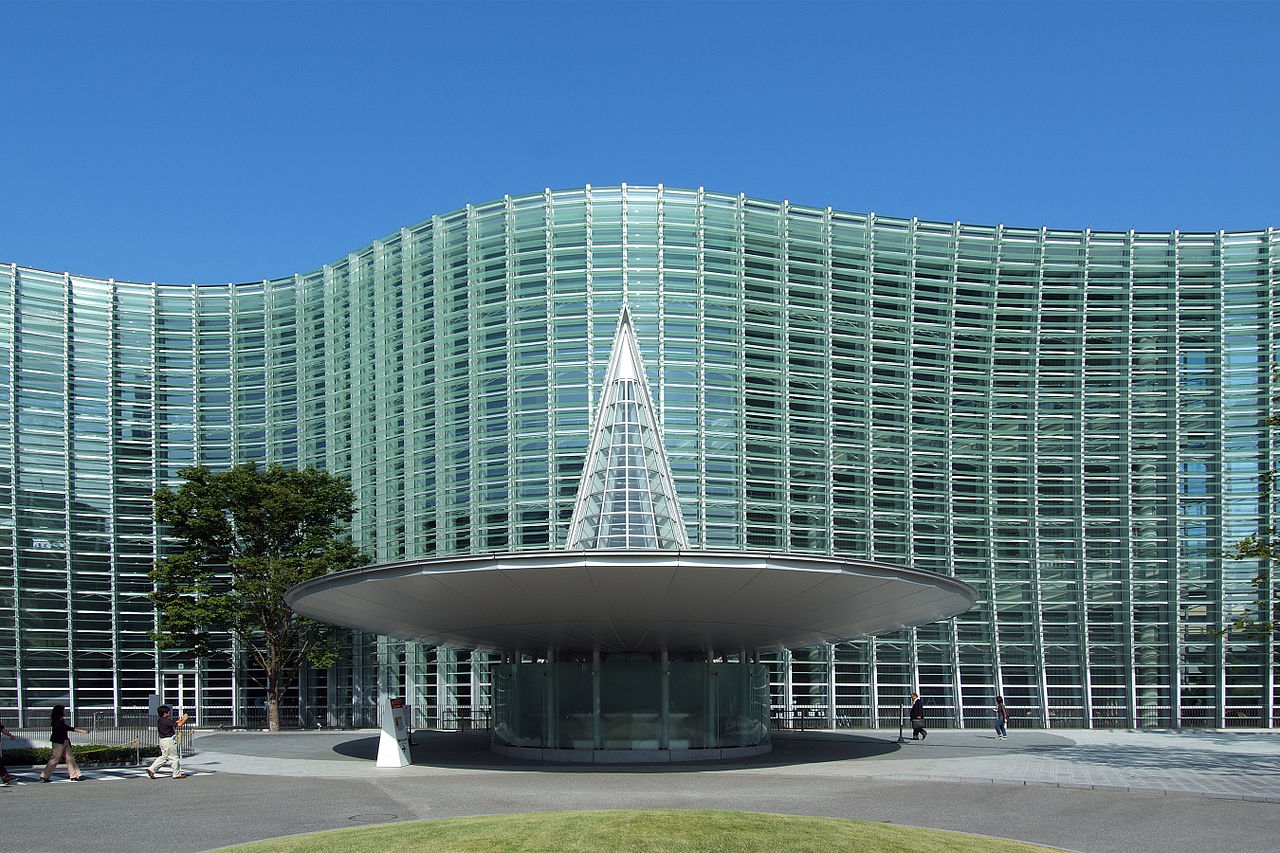


Building and design
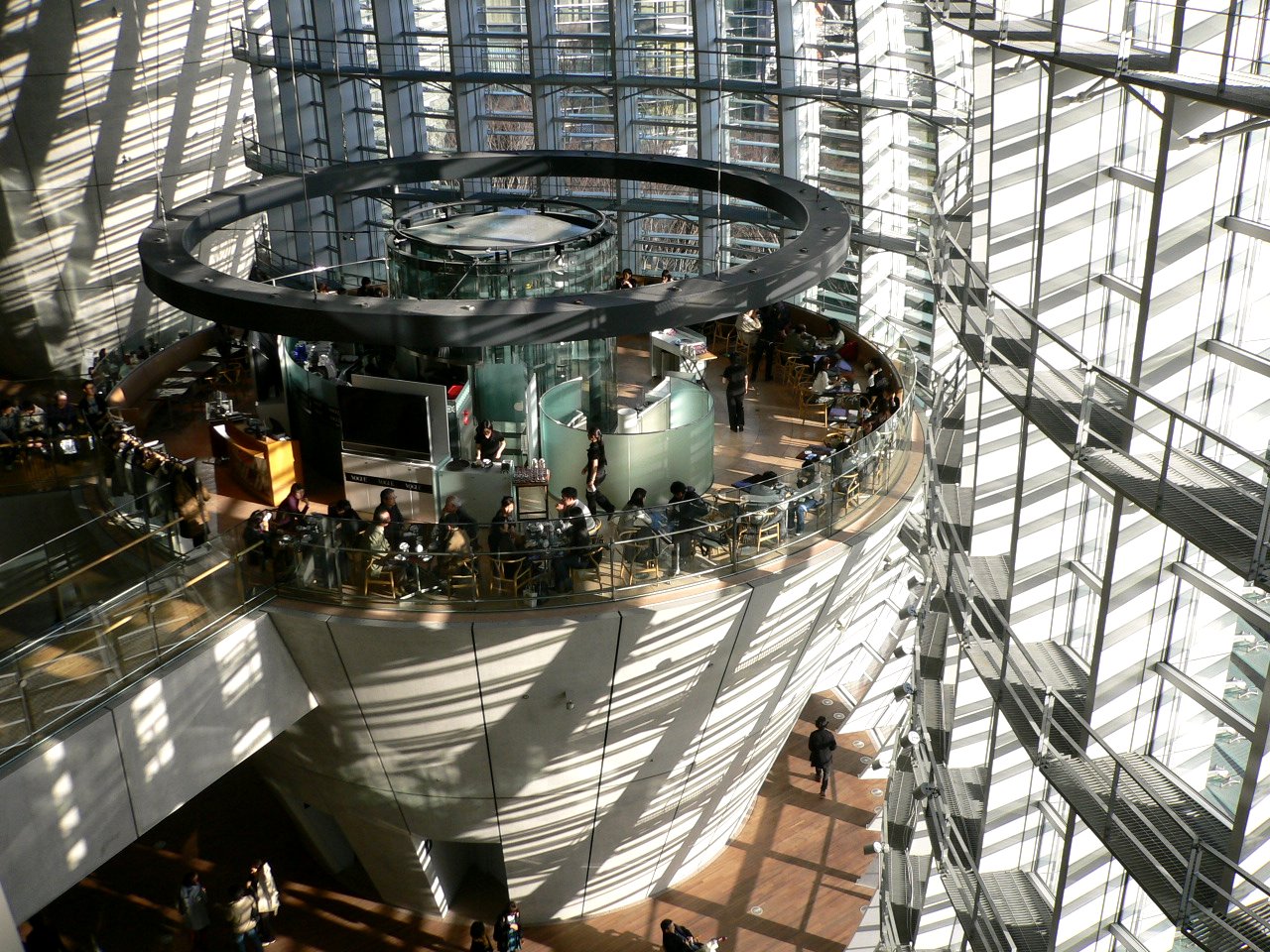
The building is notable for its bold contemporary architecture and generous interior volumes. Designed by a prominent architect, the complex features expansive curved walls of glass and steel that create a dramatic street-facing presence and bring natural light into the internal galleries. The center provides approximately 14,000 square meters of exhibition space arranged to allow simultaneous multiple shows, large installations, and flexible display configurations. Its public circulation spaces emphasize openness and visual continuity between floors.
Exhibitions and programming
Because NACT does not maintain a permanent collection, its identity rests on the quality and variety of rotating exhibitions. Programming typically spans historical surveys, contemporary art, design, photography, and thematic interdisciplinary projects. The center frequently hosts traveling international exhibitions as well as Japan-focused retrospectives and collaborative displays with museums and private lenders. This model enables rapid turnover and a constantly changing visitor experience.
Facilities and services
Beyond exhibition galleries, the institution houses an art library, spaces for lectures and education, and visitor amenities such as a shop and café. Educational programs range from guided tours and hands-on workshops to seminars and publications aimed at students, professionals, and the general public. Practical services and gallery layouts are designed to support large exhibition transportation and installation requirements.
History and role
Established in the early 21st century as a national venue for exhibitions, the center reflected a shift toward flexible, project-based presentation of art. By intentionally forgoing a permanent collection, it has become a platform for cultural exchange, touring exhibitions, and experimental curatorial practice. Its scale and emphasis on rotating shows make it a distinctive element of Tokyo’s museum landscape and a resource for institutions seeking a high-capacity exhibition site.
Visiting and notable facts
- Location: central Tokyo arts district, convenient to other galleries and public transport.
- Distinctive mission: operates as a "museum without collections," prioritizing exhibitions over holdings.
- Resources: large exhibition halls, an art library, and public education facilities.
- Further information and current program details can be found on the center’s information pages: National Art Center, Tokyo information.
Visitors often plan trips around the center’s temporary shows, because each visit can present entirely different artworks and themes. Its flexible model continues to influence how large public museums think about programming, collaboration, and audience engagement.
Related articles
Author
AlegsaOnline.com National Art Center, Tokyo — museum for rotating exhibitions Leandro Alegsa
URL: https://en.alegsaonline.com/art/68522
Sources
- nact.jp : About the Center
- nact.jp : "5th Anniversary of the National Art Center, Tokyo; 400 Years of European Masterpieces from the State Hermitage Museum"