
National Art Museum of Azerbaijan
Largest art museum in Azerbaijan, founded 1936 and named for Rustam Mustafayev; holds over 15,000 works across Azerbaijani, regional and European schools, with rotating exhibitions, research and conservation programs.
Overview
The National Art Museum of Azerbaijan is the country’s largest institution dedicated to the visual arts. Established in 1936 in Baku, the museum preserves a broad spectrum of artistic production and serves as a central repository for works of national and international importance. In 1943 the museum was given the name of Rustam Mustafayev, a prominent Azerbaijani theater stage designer and artist, in recognition of his contribution to the country’s cultural life. The museum’s documented holdings exceed 15,000 objects, with roughly 3,000 items presented across some 60 permanent display rooms and the remainder—about 12,000—kept in reserve.
Image gallery
10 Images


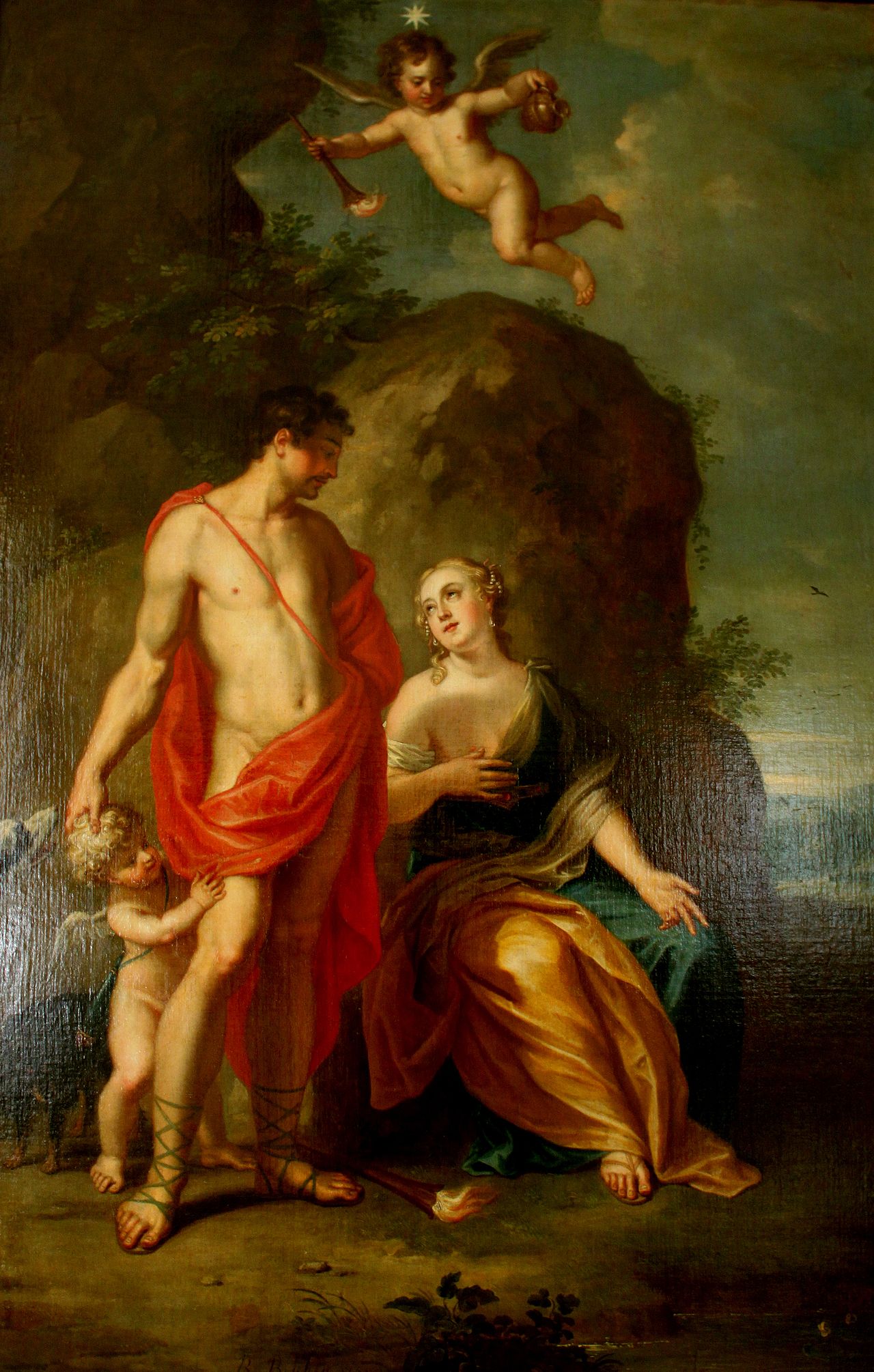


Collections and highlights
The museum’s holdings reflect several overlapping traditions: Azerbaijani and Caucasian art, Oriental and regional art, and works from European and Russian schools. The collection includes paintings, drawings, prints, sculptures and examples of applied arts and design. Applied arts in the collections commonly appear as decorative objects, textiles, metalwork and ceramics, alongside graphic arts and portraiture. Temporary displays and thematic rotations are used to broaden public access to works from storage and to present comparative narratives that link local production with wider artistic movements.
Notable strengths
Visitors and scholars often point to the museum’s strengths in representing national artistic development alongside material from neighboring cultures. The holdings help illustrate historical trends in portraiture, academic painting, and decorative practices, and they offer material for study of technique, patronage and iconography across different periods. While not every piece can be on permanent view, the curatorial program aims to show representative works that communicate the breadth of the collection.
Buildings and display
The National Art Museum occupies two adjacent historic buildings in the city centre. Together they contain multiple exhibition rooms, conservation and storage facilities, and spaces for education. Galleries are arranged to present long-term displays alongside temporary exhibitions; rotating installations enable curators to recontextualize works, create focussed displays on particular artists or themes, and accommodate loans from other institutions.
History and development
From its foundation in the 1930s, the museum’s collection grew through state transfers, purchases, donations and acquisitions tied to cultural projects. Over the decades it developed cataloguing, research and conservation capacities to support the preservation and study of artworks. Naming the museum after Rustam Mustafayev in 1943 reflected the practice of honouring influential national cultural figures and remains part of the institution’s identity.
Conservation, research and partnerships
The museum undertakes conservation and documentation work to maintain and study its collections. Staff curators and conservators carry out condition assessments, restoration projects and scientific examination when appropriate. The institution collaborates with domestic and international cultural organisations to arrange loans, joint exhibitions and scholarly exchanges, helping to situate Azerbaijani art within broader research networks.
Education and public programs
Beyond exhibition, the museum functions as an educational and scholarly centre: it organizes lectures, guided tours, cataloguing projects and restoration demonstrations. Programs commonly target a variety of audiences, including school groups, students of art history and members of the general public. Temporary exhibitions often include educational materials and events designed to deepen engagement with the collections.
Visiting and further information
- Official visitor details (hours, ticketing and access) are published by the museum; see the institution’s Azerbaijani title for reference: Azərbaycan Milli İncəsənət Muzeyi.
- General contextual information on art institutions and listings can be found through cultural directories: art museum, national cultural portals: Azerbaijan, and local resources for the city: Baku.
- Policies relating to storage, access to works in reserve and requests for research access are handled by the museum; inquiries often refer to institutional guidance: storage and collections policy.
The National Art Museum of Azerbaijan remains a key cultural destination for those interested in the visual history of Azerbaijan and the wider region. Its collections, exhibitions and educational activities contribute to public knowledge, scholarly work and the continuing care of the country’s artistic heritage.
Questions and answers
Q: What is the National Art Museum of Azerbaijan?
A: The National Art Museum of Azerbaijan is the biggest art museum in Azerbaijan.
Q: When was the National Art Museum of Azerbaijan founded?
A: The museum was founded in 1936 in Baku.
Q: Who was Rustam Mustafayev?
A: Rustam Mustafayev was a famous Azerbaijani theater stage designer and theater artist after whom the National Art Museum of Azerbaijan was named in 1943.
Q: How many artworks are there in the museum's total collection?
A: The museum's total collection includes over 15,000 artworks.
Q: How many items are on permanent display in the museum?
A: There are over 3,000 items in 60 rooms on permanent display in the museum.
Q: How many items are kept in storage in the museum?
A: About 12,000 items are kept in storage in the museum.
Q: Why does the museum often change the temporary displays?
A: The museum often changes the temporary displays so that more of the stored artworks can be displayed for a short time.
Related articles
Author
AlegsaOnline.com National Art Museum of Azerbaijan Leandro Alegsa
URL: https://en.alegsaonline.com/art/68523