
Mulegns — former municipality in Graubünden, Switzerland
Mulegns was a small mountain municipality in the Albula district of Graubünden, Switzerland. It joined other local municipalities in 2016 to form the new municipality of Surses.
Mulegns was a small, sparsely populated municipality administrative unit in the district Albula of the canton Graubünden (Grisons), in the eastern part of Switzerland. Located in a high valley of the Swiss Alps, Mulegns was characterized by its remote setting, traditional alpine architecture and a landscape shaped by pastures, forests and mountain slopes.
Image gallery
4 Images
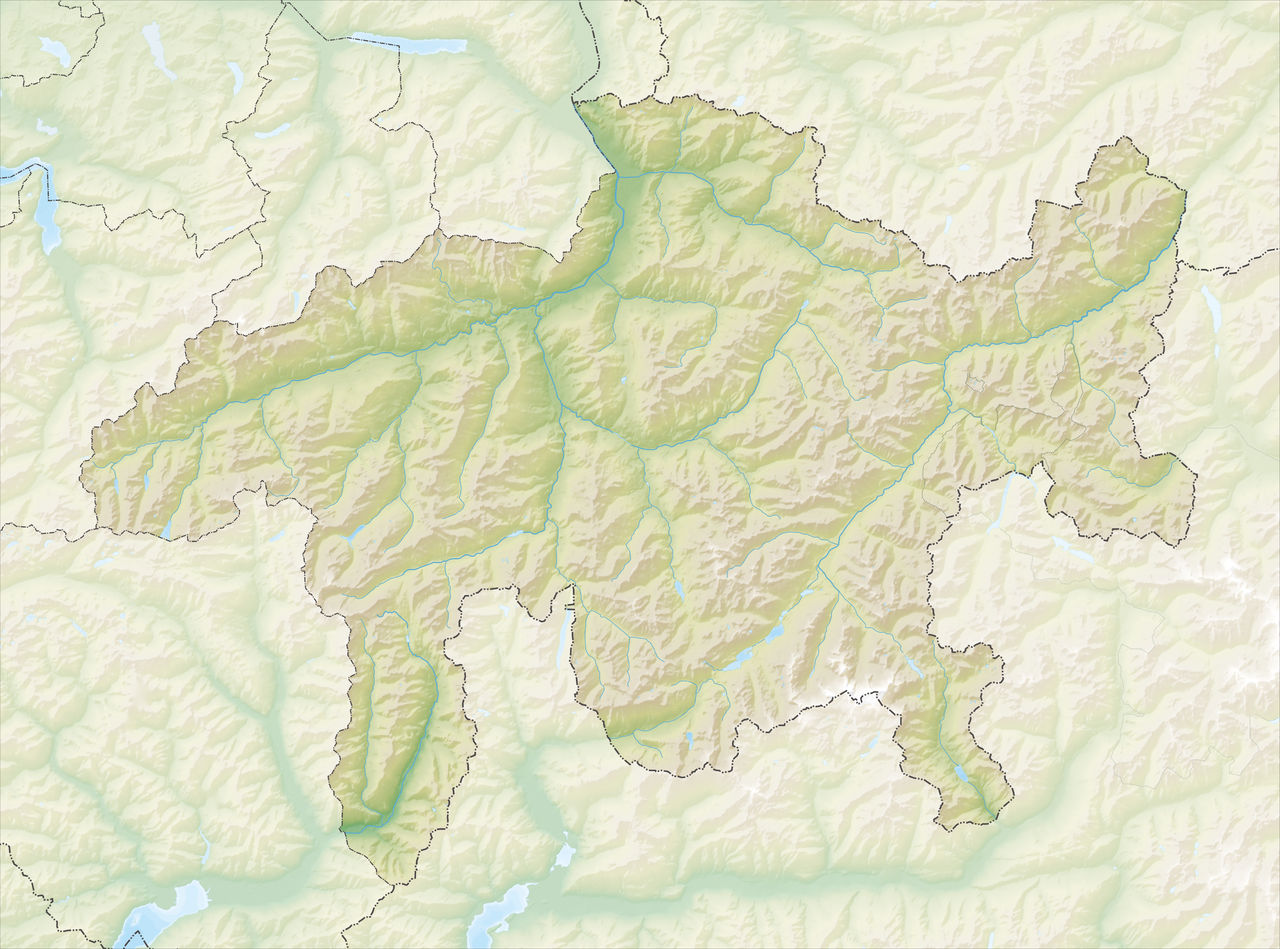

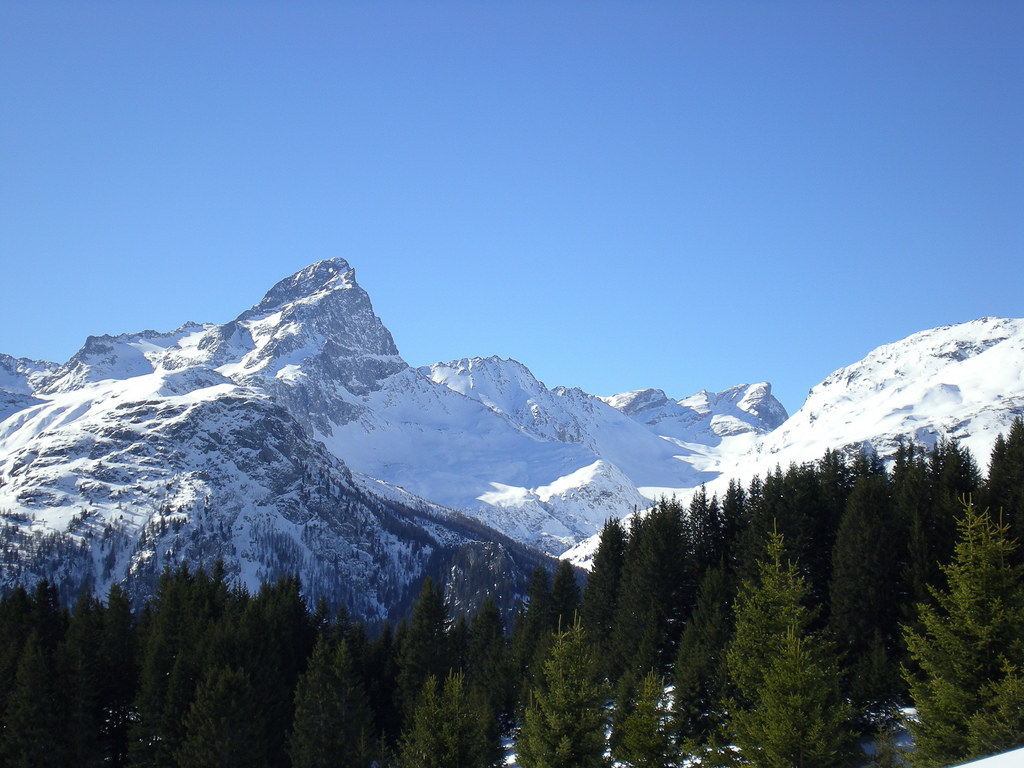
Geography and settlement
The settlement consisted of a village and nearby hamlets positioned along mountain roads and seasonal trails. Its location made it typical of many small Graubünden communities: oriented around alpine farming, with summer grazing areas higher on the slopes and winter access dependent on regional roads. The surrounding terrain includes ridges and passes that have linked valley communities for centuries.
History and administrative change
Historically, Mulegns shared cultural and economic ties with neighboring villages in the Surses/Albula region. On 1 January 2016 it ceased to exist as an independent municipality when it merged with several nearby municipalities to improve administration and services. The merged municipalities were:
These communities combined to form the new municipality of Surses, a larger local government unit intended to coordinate services, planning and infrastructure across the valley.
Language, culture and economy
The region reflects Graubünden’s multilingual character, where Romansh, German and Italian influences coexist; Romansh variants are common in many Surses settlements. Traditional livelihoods in and around Mulegns included pastoralism, small-scale agriculture, forestry and, increasingly, tourism—hiking, nature appreciation and seasonal stays in mountain accommodation.
Although independent municipal life has been reorganized, Mulegns remains of interest for its rural heritage and as part of the broader cultural landscape of the Albula/Surses valleys. For more detailed administrative or historical records consult local cantonal sources and regional guides.
Related articles
Author
AlegsaOnline.com Mulegns — former municipality in Graubünden, Switzerland Leandro Alegsa
URL: https://en.alegsaonline.com/art/67423