
Bivio — former alpine municipality in Graubünden, Switzerland
Bivio was a small alpine municipality in the Albula district of Graubünden, Switzerland, known for its location at a mountain-road junction, multilingual culture and tourism; merged into Surses in 2016.
Overview
Bivio was a small municipality administrative unit in the Albula district Albula of the canton canton Graubünden in Switzerland. Located high in the Alps, it was long recognized for sitting at a crossroads of mountain routes and for a mixed cultural heritage shaped by Romansh, Italian and German influences.
Image gallery
5 Images
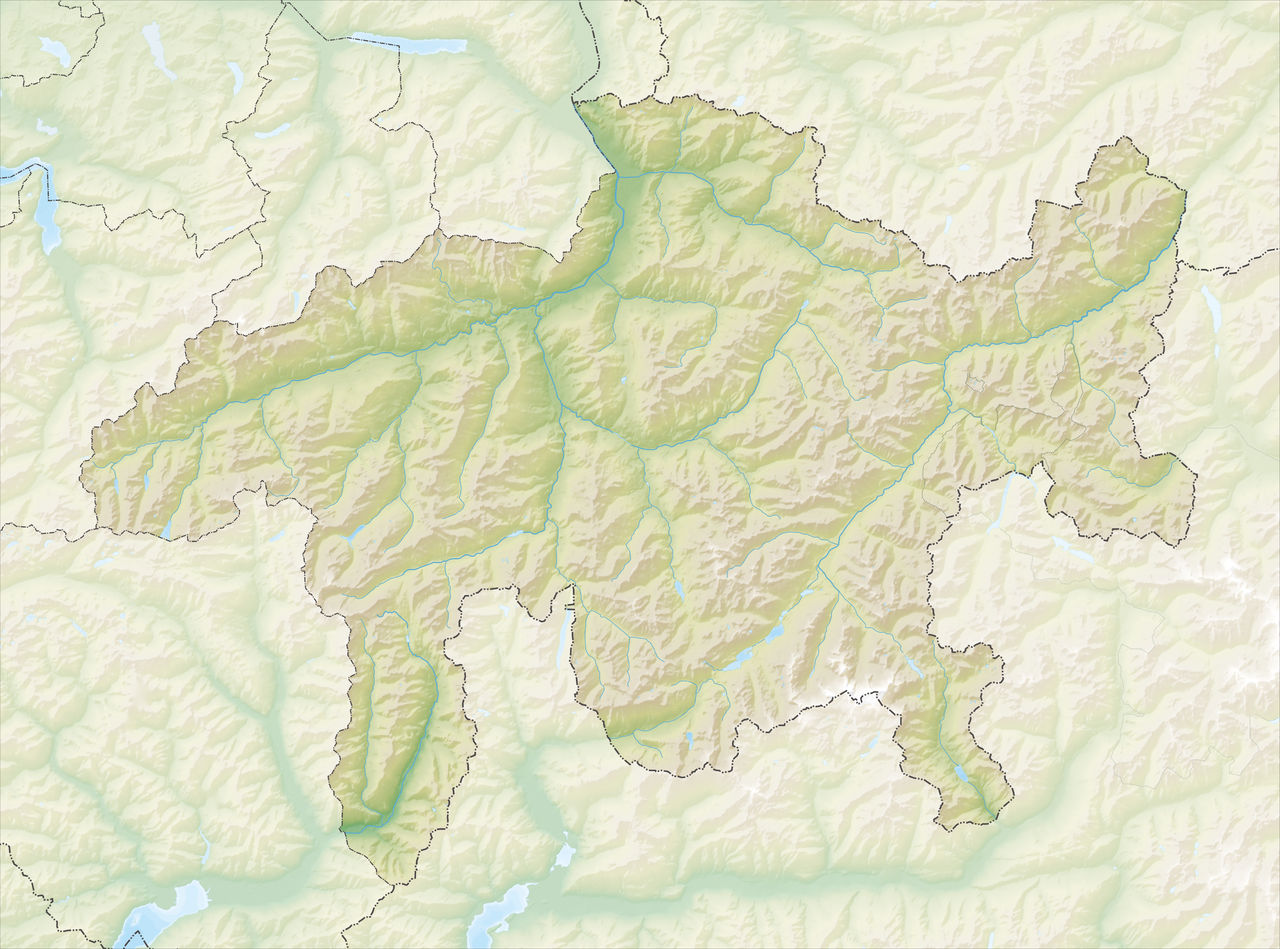


Geography and name
The place name Bivio comes from the Italian word for "junction" or "fork", reflecting the village's historic situation where several alpine roads and paths meet. The settlement occupies a valley saddle and is surrounded by steep slopes, pastures and peaks typical of the Central Alps. Its position has made it a gateway between different valleys and language areas, and its landscape supports seasonal grazing, mountain trails and panoramic viewpoints.
History and culture
The community grew as a rural alpine village with a mixed linguistic tradition. Over time residents spoke varieties of Romansh, Italian and German; the balance among languages shifted across generations but multilingualism remained a local trait. Built heritage is representative of mountain communities: clustered houses, simple farm buildings and chapels adapted to alpine weather. Local life historically combined livestock rearing, haymaking and services for travelers crossing the passes.
Economy, tourism and activities
Bivio's economy relied on a combination of agriculture, seasonal tourism and small-scale local services. In winter it attracted visitors seeking alpine sports and snow, while in summer the surrounding high pastures and trails drew hikers and nature enthusiasts. The village offered guesthouses and mountain lodges; its appeal included quiet scenery, clear air and access to mountain routes rather than large-scale resort infrastructure.
Administrative change
On 1 January 2016 Bivio joined eight neighboring municipalities in an administrative merger to form the new municipality of Surses. The former municipalities that merged were:
- Cunter
- Marmorera
- Mulegns
- Riom-Parsonz
- Salouf
- Savognin
- Sur
- Tinizong-Rona
- Bivio (former municipality)
Notable aspects and distinctions
Although small, Bivio attracted interest for its linguistic mix and its role as a local transport and cultural junction. It exemplifies many alpine settlements that have adapted administrative structures in the 21st century by merging to improve services and governance. Today the name Bivio remains in local use for the village and its surroundings within the larger municipal entity.
For further administrative or historical details consult local municipal records and regional studies available through cantonal resources.
Related articles
Author
AlegsaOnline.com Bivio — former alpine municipality in Graubünden, Switzerland Leandro Alegsa
URL: https://en.alegsaonline.com/art/11856