
Mulhouse: city in Alsace, its geography, history and cultural life
Mulhouse is a major city in northeastern France, in Alsace (Haut-Rhin). Known for its industrial past, cross‑border location near Switzerland and Germany, and notable museums and cultural institutions.
Overview
Mulhouse is a commune in Alsace, located in north‑eastern France. Administratively it belongs to the Haut‑Rhin department and serves as one of its subprefectures. The city is part of the larger Grand Est region and functions as a regional hub for transport, commerce and services. Mulhouse combines an urban core with surrounding suburbs and industrial districts, and it plays a significant role in the economic life of eastern France.
Image gallery
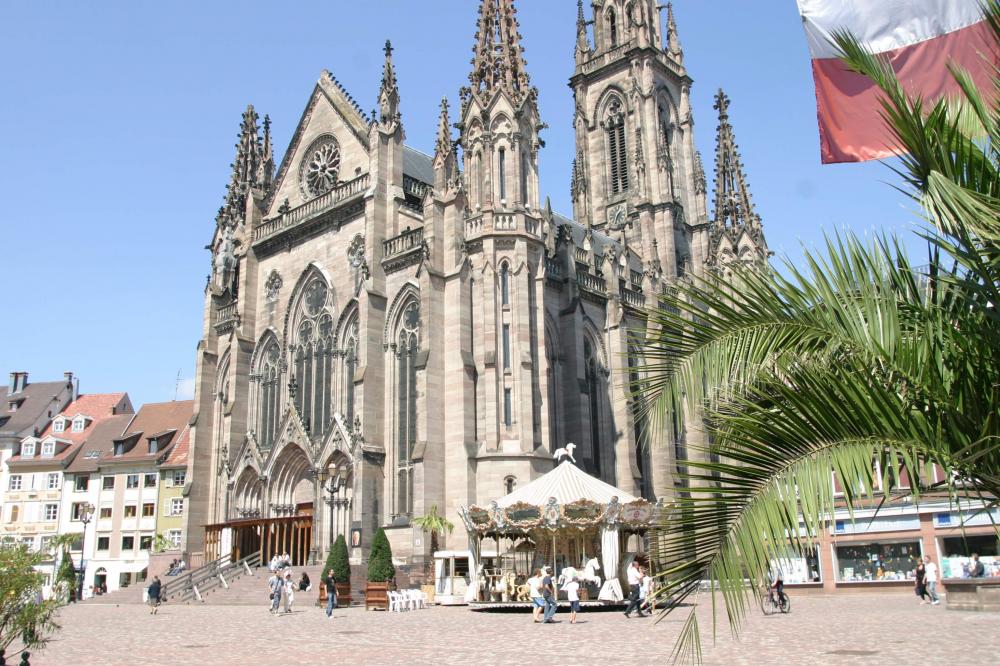
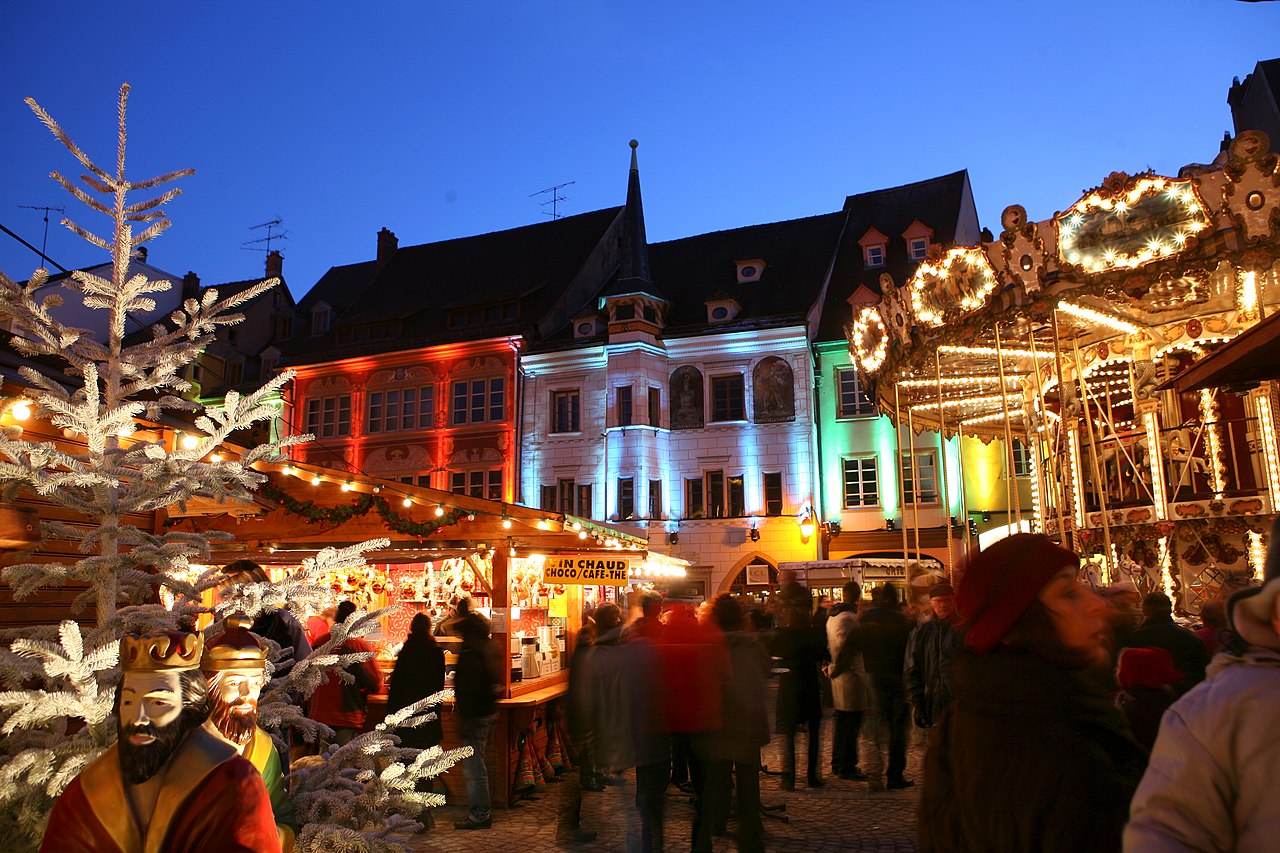
10 Images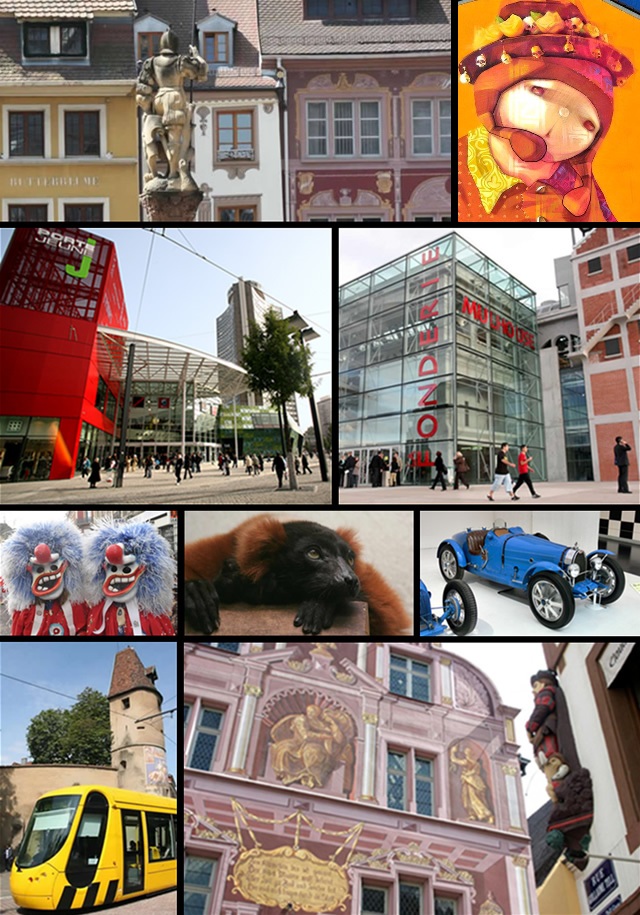




Geography and identity
Situated near the borders with Switzerland and Germany, Mulhouse occupies a strategic position in the Upper Rhine plain. Its location close to neighboring countries has shaped cross‑border commuting, trade and cultural exchange: the city sits within the historical Alsace area and the broader cultural region of Alsace where languages, architecture and traditions reflect both French and Germanic influences. Proximity to Swiss and German urban centers improves access to international airports, rail corridors and road networks, making Mulhouse a node in a tri‑national zone (Switzerland, Germany).
History and development
Mulhouse grew from a medieval market town into a major industrial centre during the era of mechanized manufacture. Its economic transformation was driven by textiles and related industries, followed by diversified engineering and manufacturing activities. That industrial legacy shaped the cityscape: factories, worker housing and transport infrastructure set the pattern for later urban growth. Like many European cities with a complex border location, Mulhouse experienced political and cultural shifts over centuries, which are reflected today in its built environment and institutions.
Culture, institutions and economy
Although rooted in industry, Mulhouse is also known for museums and cultural institutions that preserve local crafts, technology and design. Notable attractions include large automobile and textile museums and municipal collections that showcase regional history and applied arts. The local economy mixes manufacturing, logistics, higher education and cultural tourism; cross‑border employment is significant for residents who commute to neighboring countries. The city's public transport and urban projects aim to balance heritage conservation with contemporary needs.
Notable places and distinctions
- Automobile and technical museums: collections that reflect Mulhouse's links to industrial innovation and design, popular with specialist and general audiences.
- Textile heritage: workshops and museums celebrating the printing and weaving traditions that once defined the city's economy.
- Cross‑border role: close economic and social ties with Switzerland and Germany, which influence commuting patterns and cultural life.
- Administrative importance: its status in the Haut‑Rhin department and place within the Grand Est region make it a local administrative centre.
For visitors and residents alike, Mulhouse offers a mix of industrial heritage, museums, and everyday urban life shaped by its unique borderland setting. Those seeking further practical or historical information can consult municipal resources and regional cultural guides via local portals (municipal information, regional background, national context), or specialist pages about its historical region (history of Alsace), cultural activities (Alsatian culture), and international links (Swiss connections, German connections). Additional administrative and travel references are available through departmental and regional portals (department, subprefecture details, regional services).
Questions and answers
Q: Where is Mulhouse located?
A: Mulhouse is located in Alsace, a historical and cultural region of north-eastern France. It is in the Haut-Rhin department and the Grand Est region.
Q: How close is Mulhouse to Switzerland and Germany?
A: Mulhouse is very close to both Switzerland and Germany, as it lies near their borders.
Q: What region does Mulhouse belong to?
A: Mulhouse belongs to the Grand Est region of France.
Q: Is Mulhouse a subprefecture?
A: Yes, Mulhouse is a subprefecture of the Haut-Rhin department.
Q: What type of commune is Mulhouse?
A: Mulhouse is a commune in Alsace, France.
Q: Is Alsace part of France?
A: Yes, Alsace is part of France and it lies in the north-east corner of the country.
Related articles
Author
AlegsaOnline.com Mulhouse: city in Alsace, its geography, history and cultural life Leandro Alegsa
URL: https://en.alegsaonline.com/art/67430
Sources
- insee.fr : "Commune de Mulhouse (68224)"
- map-france.com : "City of Mulhouse"
- annuaire-mairie.fr : "Ville de Mulhouse"
- weatherbase.com : "Mulhouse, France - Köppen Climate Classification"
- habitants.fr : "Habitants du départment: Haut-Rhin"
- insee.fr : "Régions, départements, arrondissements, cantons et communes"
- insee.fr : "Unité urbaine de Mulhouse (68701)"
- insee.fr : "Aire urbaine de Mulhouse (034)"
- insee.fr : "Commune de Mulhouse (68224)"