
Surses (Sursés / Oberhalbstein): valley and municipality in Graubünden, Switzerland
Surses is a mountain valley and modern municipality in the Albula district of Graubünden, formed in 2016 by the merger of nine former communes; notable for alpine scenery, mixed Romansh–German culture and outdoor tourism.
Overview
Surses — written Sursés in Romansh Sursés (Romansh) and also known by its German name Oberhalbstein Oberhalbstein (German) — is a valley region and since 1 January 2016 a single political municipality Surses municipality in eastern Switzerland. The territory lies in a high alpine environment and combines traditional mountain agriculture, small village settlements and year-round outdoor recreation. The municipal merger was part of a cantonal trend to consolidate small communes to improve administrative capacity while preserving local identities.
Image gallery
5 Images


Geography and landscape
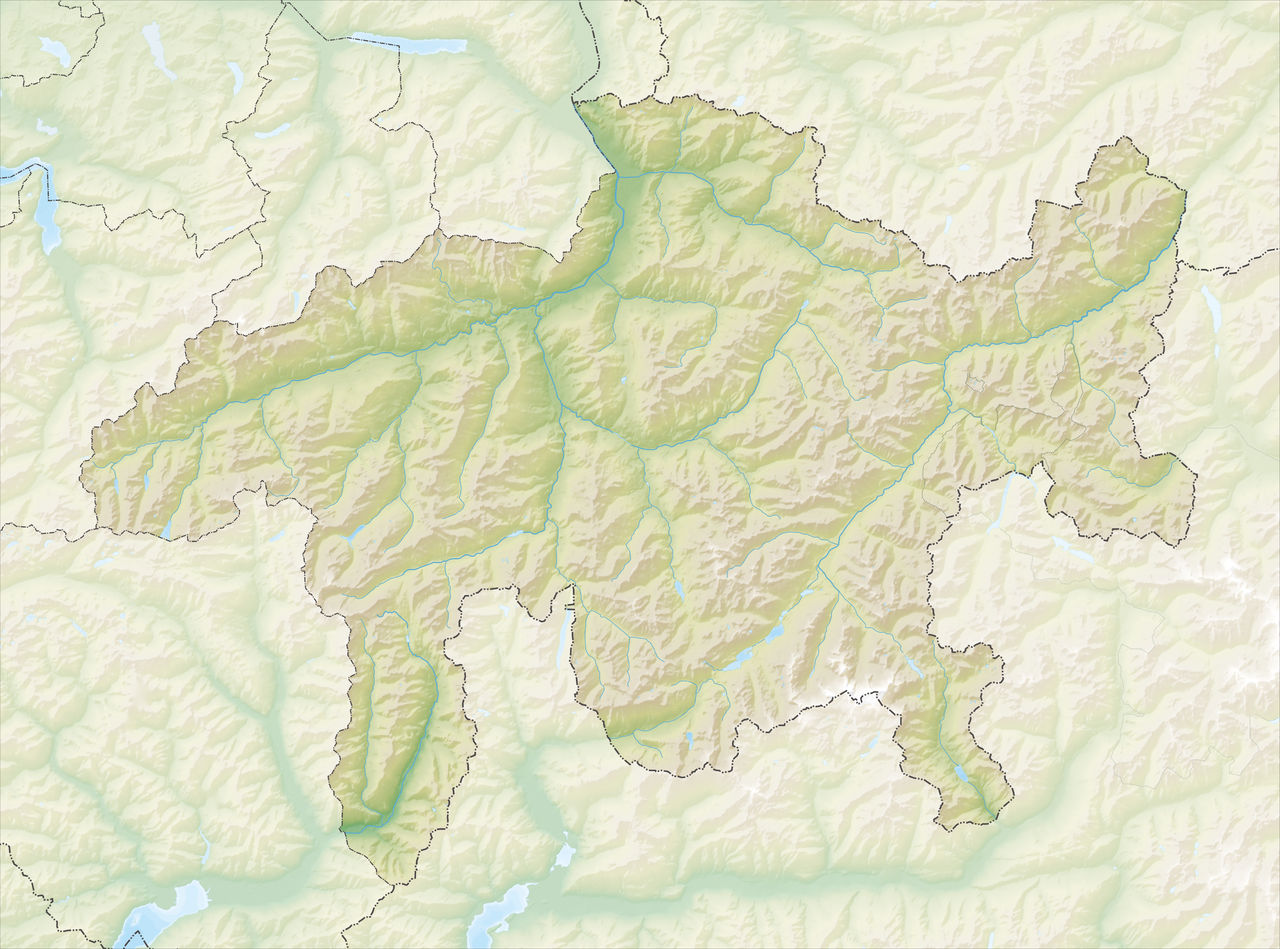
The valley occupies the upper reaches of the Albula watershed and contains steep slopes, alpine meadows and several glacial or reservoir lakes. It is administratively part of the Albula district and the wider structures of the canton of Graubünden in Switzerland. Elevation ranges and local climate influence land use: lower village floors host mixed farming and services, while higher pastures are used seasonally for grazing. Hydrology and mountain passes have historically shaped transits and connections with neighbouring valleys.
Constituent former municipalities
History and administration
The modern municipality of Surses was created by the voluntary merger of nine formerly independent communes. This administrative change aimed to pool resources for public services, education, infrastructure and municipal planning while retaining village-level traditions and local councils for community matters. Historic settlement in the valley dates back centuries; older village cores often centre on churches, granaries and traditional houses that reflect regional building styles.
Demographics, language and culture
The valley is linguistically diverse: local use of Romansh coexists with German, and both languages appear on signage and in cultural life. Population distribution follows a pattern of small village populations with seasonal fluctuations from tourism and part-time residents. Cultural events, traditional music, local crafts and customs are maintained through community associations and seasonal festivals, linking modern life to alpine heritage.
Economy and tourism
Economic activity mixes agriculture (dairy and mountain pasture grazing), small-scale forestry and services oriented toward visitors. Tourism is important: Savognin and other villages provide skiing in winter and hiking, mountain biking and lake recreation in summer. Local businesses include hotels, guesthouses, restaurants, guiding services and small retailers. Sustainable tourism and conservation are frequent themes in regional planning.
Transport and access
Access to Surses is by mountain roads that connect valley settlements to larger transport corridors in Graubünden; public transport links include regional bus services and nearby rail connections that serve the Albula line and other routes through the canton. Seasonal weather and alpine conditions influence maintenance priorities for roads and infrastructure, and mountain passes remain important for tourism and local mobility.
Nature, conservation and recreation
The valley offers varied alpine habitats, from montane forests to high pastures, and contains important areas for biodiversity and outdoor recreation. Infrastructure such as hiking trails, mountain-bike routes and ski facilities is combined with efforts to manage landscapes sustainably, protect water resources and balance visitor use with conservation goals. Several lakes and scenic viewpoints are popular for nature observation and low-impact leisure.
Points of interest and services
Visitors and residents rely on village hubs for basic services, cultural institutions and events. Historic churches, local museums and traditional architecture are frequently highlighted in regional guides. Information about municipal services, tourism offers and local events is published by the municipality and regional tourism organisations; for official details consult administrative pages and local visitor centres.
Further information
For more detailed or current information about administrative matters, tourism, events and services, check the official municipal and regional pages or contact local information centres. Historical studies, local archives and regional cultural organisations provide further context for the valley's linguistic traditions, settlement history and landscape management.
Name
The name is composed of the two Romance words sur for "over" and Ses from the Latin saxum for "stone", "rock". Ses refers to the Crap Ses (764310 / 16721446.6359489.584709) between Tiefencastel and Cunter.
Geography
The lower valley level up to Tinizong is called Sotgôt (in the Rhaeto-Romanic idiom Surmiran sot for "below" and gôt for "forest"), the one above Surgôt (sur for "above").
The lowest point is at Tgant Ladrung between Cunter and Tiefencastel and is 995 m high. The highest point is Piz Calderas (3397 m).
The Julia flows through the municipality. Looking out of the valley, the Albula Alps lie to the right and the Oberhalbsteiner Alps to the left.
The municipal boundary is as follows:
- To the municipality of Albula/Alvra from Curvér Pintg da Taspegn via Del, Tgant Ladrung, Motta Palousa to Piz Mitgel
- To the municipality of Filisur from Piz Mitgel via Tinzenhorn, Pass digls Orgels, Pass d'Ela almost to Piz Ela
- To the municipality of Bergün/Bravuogn from Piz Ela via Piz Val Lunga, Piz Salteras, Piz da l'Antgierna da Salteras, Piz da Peder Bucs, Piz Bleis Marscha to Piz Laviner
- To the municipality of Bever from Piz Laviner via Piz Jenatsch, Corn Jenatsch, Piz Calderas, Tschima da Flix, Piz d'Agnel to Piz Surgonda
- To the municipality of Silvaplana from southeast of Piz Surgonda via Piz Valetta, Julierpass, Piz da las Coluonnas almost to Piz Lagrev
- To the municipality of Sils in the Engadine/Segl from Piz Lagrev via Piz d'Emmat Dadaint, Piz Materdell, Motta Radonda to Piz Grevasalvas
- To the municipality of Bregaglia from Piz Grevasalvas via Pass Lunghin, Motta da Sett to Piz Turba
- To the municipality of Avers from Piz Turba via Piz Forcellina, Fuorcla da la Valletta, Stallerberg to almost Piz Surparé, then Fallerfurgga, Mazzaspitz, Jupperhorn, Tälihorn, Tälifurgga to Usser Wissberg
- To the municipality of Ferrera from Usser Wissberg via Fuorcla Starlera, Fuorcla da Saletscha, Piz Alv, Piz Settember, Pass da Schmorras, Sur Carungas, Pass da Surcarungas
- To the municipality of Andeer from the Colmet pass to Piz Curvér
- To the municipality of Zillis-Reischen from Piz Curvér to Curvér Pintg da Taspegn

Related articles
Author
AlegsaOnline.com Surses (Sursés / Oberhalbstein): valley and municipality in Graubünden, Switzerland Leandro Alegsa
URL: https://en.alegsaonline.com/art/95208
Sources
- bfs.admin.ch : "Arealstatistik Standard - Gemeinden nach 4 Hauptbereichen"
- bfs.admin.ch : "Ständige Wohnbevölkerung nach Staatsangehörigkeitskategorie Geschlecht und Gemeinde; Provisorische Jahresergebnisse; 2018"