
Mount Rinjani (Gunung Rinjani), Lombok, Indonesia
Active volcano on Lombok rising to 3,726 m. Noted for its large caldera and Segara Anak crater lake, cultural importance, rich biodiversity and popular but challenging trekking. Last recorded eruption: 2009.
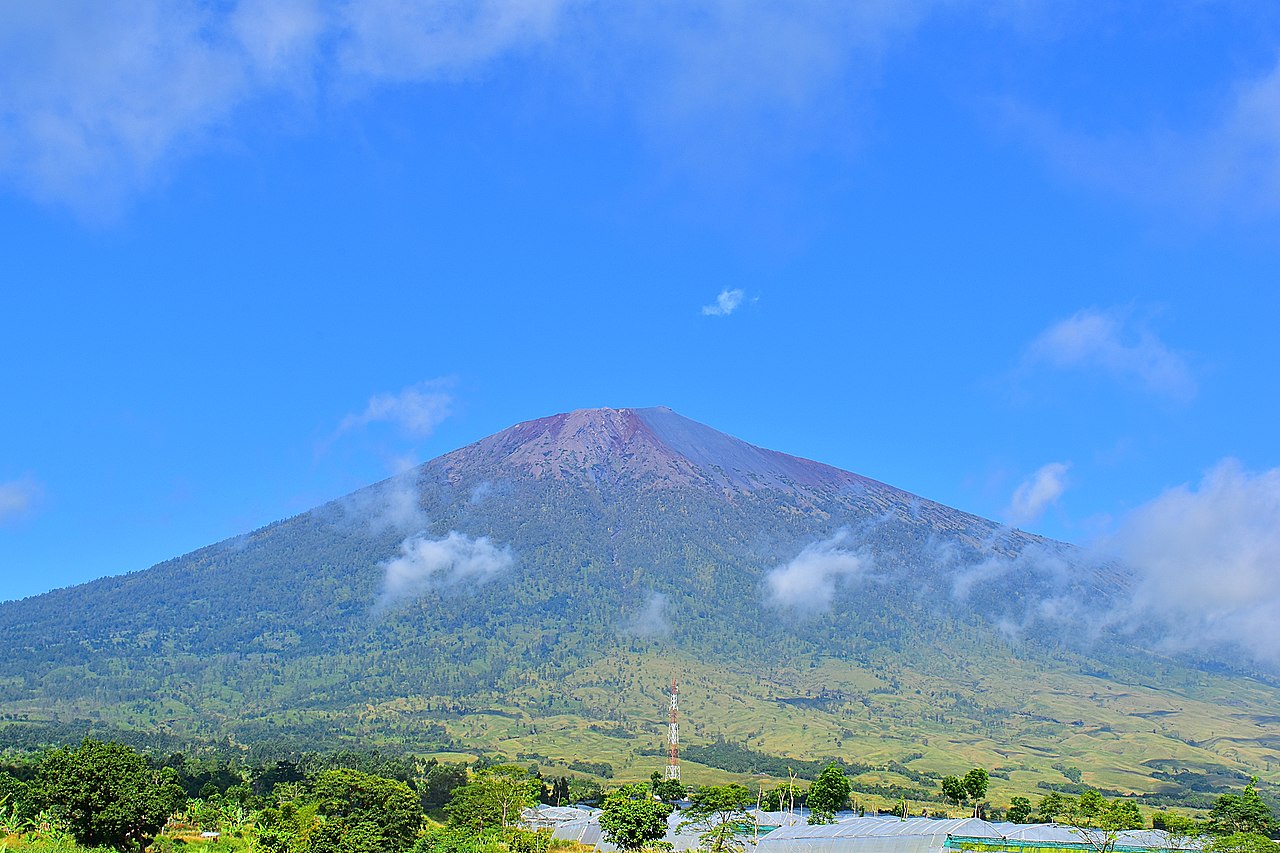
Mount Rinjani, locally known as Gunung Rinjani, is an active stratovolcano on the island of Lombok in Indonesia. With an elevation of 3,726 metres (12,224 ft) it is commonly cited as the second highest volcano in the Indonesian archipelago. The mountain dominates the island skyline and is a defining natural landmark in the region.
Image gallery
10 Images





Physical characteristics
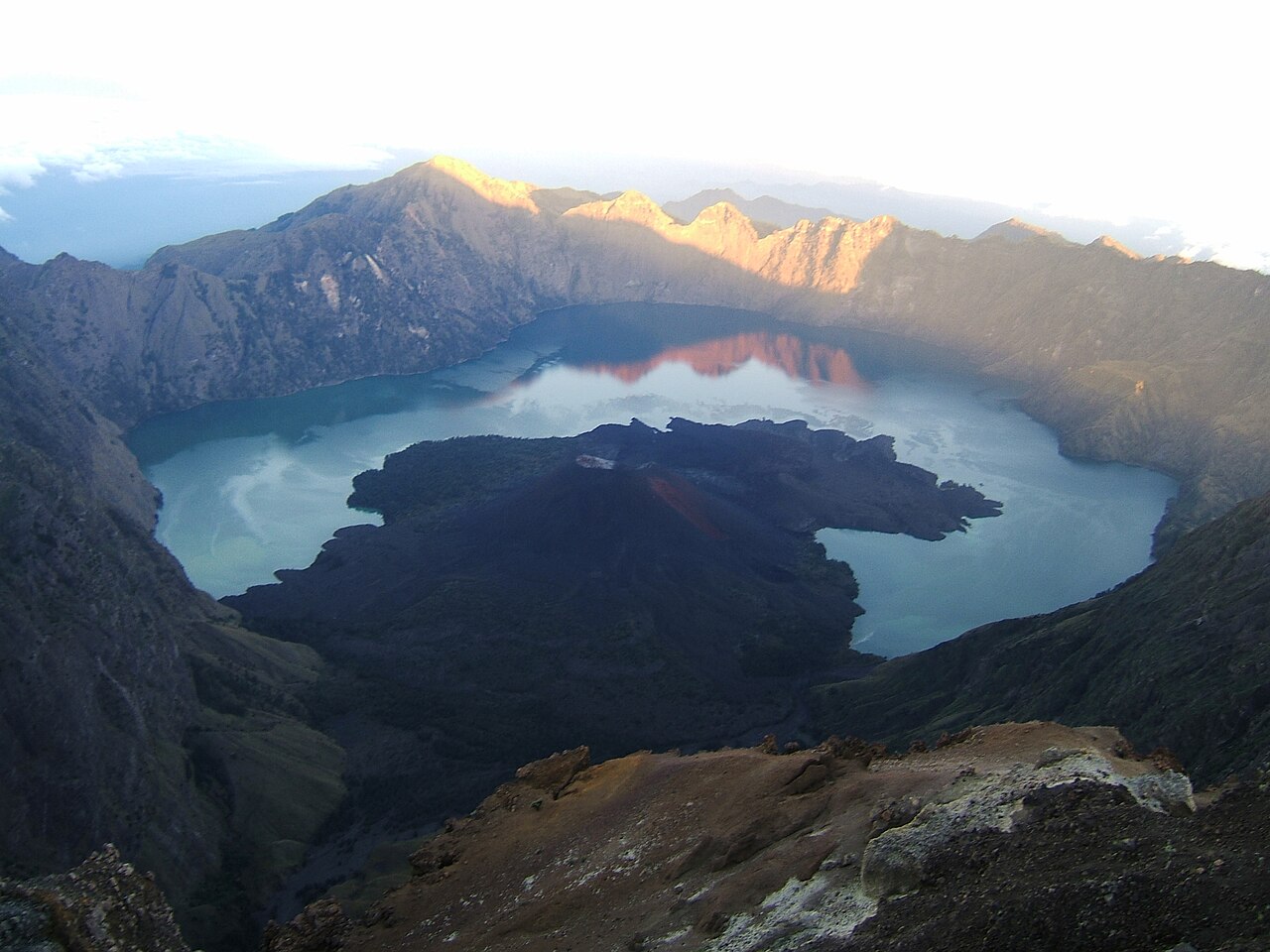
Rinjani features a large, steep-walled caldera that contains a deep crater lake called Segara Anak and a smaller active cone inside the lake known as Barujari. The caldera rim, high slopes and lake create distinctive zones ranging from lowland forest to montane vegetation near the summit. Thermal features such as fumaroles and hot springs occur around the caldera and along volcanic vents.
Geology and recent activity
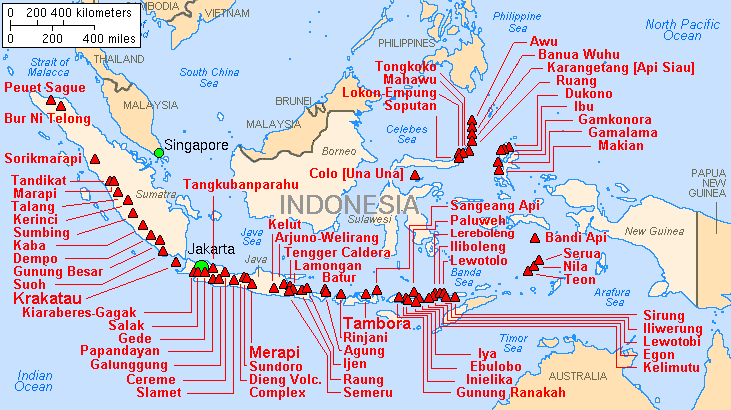
The volcano is part of the Sunda Arc, formed by subduction of the Indo‑Australian Plate beneath the Eurasian Plate. Rinjani has produced explosive eruptions in its history and remains monitored for ash emissions, earthquakes and gas release. The most recently reported eruption occurred in 2009, with ash and steaming reported by observers (2009).
Ecology, culture and recreation
The mountain and its surroundings lie within a protected area managed for conservation and sustainable use. Vegetation zones support diverse wildlife and many endemic or regionally important plants. For local communities Rinjani has spiritual significance and features in traditional ceremonies. The mountain is also a popular destination for multi-day treks; routes typically require guides and permits and can be physically demanding.
Notable facts
- Second highest volcano in Indonesia by elevation.
- Contains the scenic caldera lake Segara Anak and the active cone Barujari.
- Part of the tectonically active Sunda Arc.
- Important for biodiversity, tourism and local cultural practices.
Visitors and researchers are advised to respect park regulations and heed volcanic warnings. Ongoing monitoring helps manage hazards such as ashfall, landslides and sudden changes in geothermal activity. For practical information on access, safety and conservation, consult local park authorities and guides before planning a visit.
Related articles
Author
AlegsaOnline.com Mount Rinjani (Gunung Rinjani), Lombok, Indonesia Leandro Alegsa
URL: https://en.alegsaonline.com/art/67081