
Mud volcano
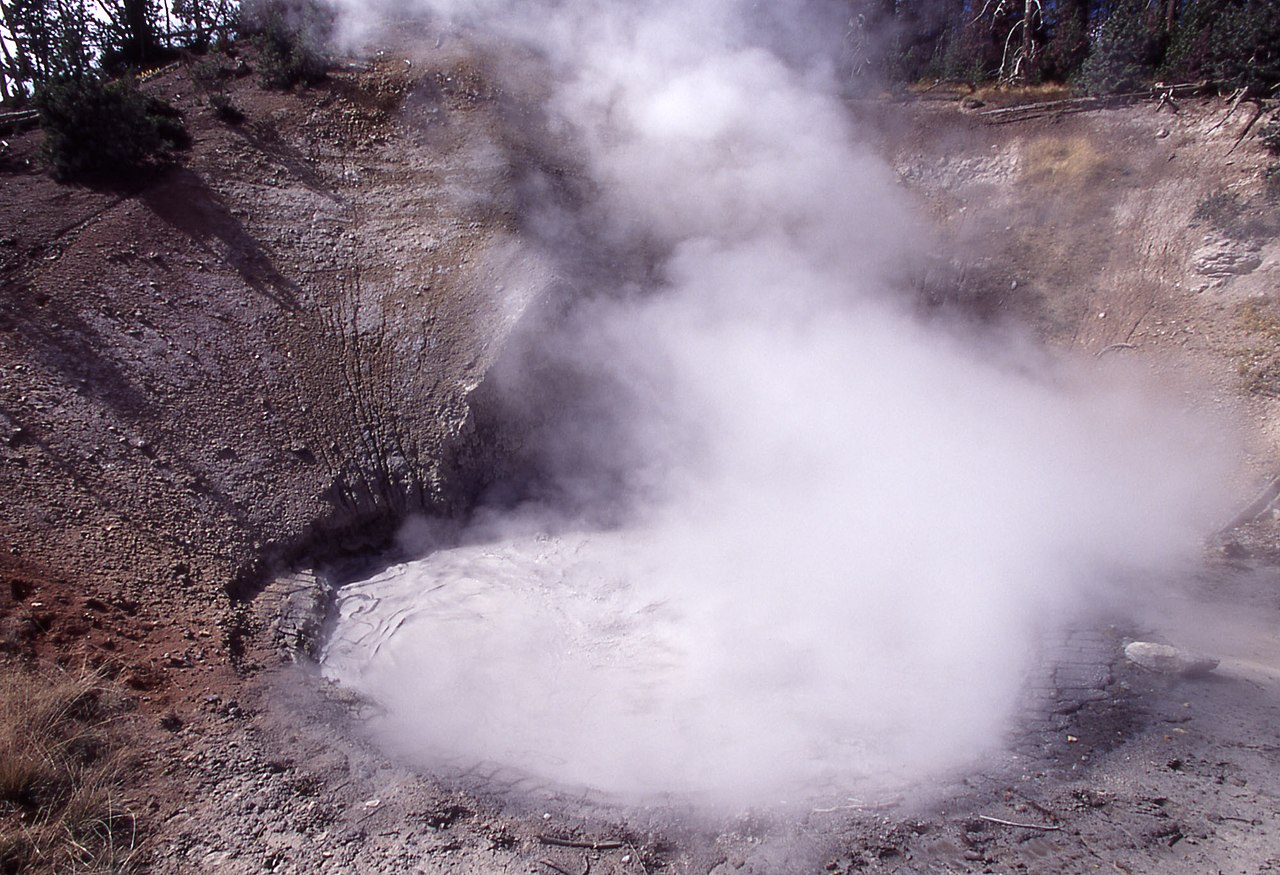
Mud volcanoes are cold geological vents that release mixtures of water, fine sediment and gases—mainly methane—creating domes or pools on land and the seafloor; they differ from magmatic volcanoes in origin and hazards.
Overview
Mud volcanoes are geological features that expel mixtures of water, fine sediments (clays and silts) and gases from depth to the surface. Unlike igneous volcanoes, mud volcanoes do not erupt molten rock: their activity is driven by pressurized fluids and gases in sedimentary basins. They produce cones, domes, pools or broad fields of mud and are found onshore and beneath the sea.
Image gallery
10 Images




Formation and characteristics
Several processes can create mud volcanoes. Overpressure in thick, gas-rich sediments forces slurry of water and sediment upward along faults or weak zones; tectonic compression and rapid sedimentation can also push mud diapirs toward the surface. Temperatures are generally low compared with magmatic systems, and eruptions range from slow seepage to sudden, forceful expulsions. Large systems may be several kilometers across and in rare cases reach hundreds of meters in relief.
Composition and hazards
The gases and fluids emitted are important for both hazard assessment and scientific study. Emissions typically include:
- Methane — the dominant gas in most mud-volcanic emissions
- Carbon dioxide and other minor gases
- Saline water, clays and occasionally acidic brines
Gas releases can create asphyxiation or explosion risks near vents, and large mud flows can damage infrastructure, displace communities and alter landscapes.
Distribution and notable examples
Mud-volcanic fields occur worldwide, with concentrations on continental margins and in compressional basins. Countries such as Azerbaijan and regions of the Caspian Sea are famous for numerous surface mud volcanoes. Submarine mud volcanoes are widespread on passive margins and may form large domes on the seafloor. For background on related volcanic processes and typical temperature contrasts, see specialist literature.
Importance and uses
Scientists study mud volcanoes because they reveal subsurface fluids and hydrocarbons and support chemosynthetic ecosystems on the seafloor. In exploration geology, mud-volcanic activity can indicate petroleum-bearing strata. They are also local tourist attractions where safe, and subjects of ongoing research into greenhouse-gas fluxes and geohazards.
For further reading see regional databases and research portals: regional surveys and specialized articles provide field-specific details.
Questions and answers
Q: What is a mud volcano?
A: A mud volcano is a type of volcano formed by liquids and gases from the earth.
Q: How are mud volcanoes created?
A: Mud volcanoes can be formed in various ways.
Q: Are temperatures in a mud volcano hotter or cooler compared to a regular volcano?
A: Temperatures in a mud volcano are cooler than in a regular volcano.
Q: How big can the biggest mud volcanoes be?
A: The biggest mud volcanoes can be up to 10 kilometers in diameter and as tall as 700 meters.
Q: What type of gases are usually given off by mud volcanoes?
A: Most of the gases given off by mud volcanoes are methane, but they can also release carbon dioxide.
Q: What do mud volcanoes typically spew out?
A: Mud volcanoes usually spew out liquids with solids in them, such as water with salt or acids.
Q: Can you provide an example of what a mud volcano might spew out?
A: An example of what a mud volcano might spew out is water with salt or acids in it.
Related articles
Author
AlegsaOnline.com Mud volcano Leandro Alegsa
URL: https://en.alegsaonline.com/art/67336