
Motor sports: overview, types, history and significance
Motor sports are competitive events using motorized vehicles. This article covers their forms, history, equipment, major disciplines and the cultural and technological role of racing.
Overview
Motor sports are competitive activities in which participants use powered vehicles to test speed, endurance or skill. The term covers a broad range of events and platforms: from automobiles and motorcycles to boats, aircraft and specialized machines. Organized competitions are governed by rules set by sanctioning bodies and are staged on circuits, closed courses or point-to-point routes. For a general definition see motor sports.
Image gallery
10 Images


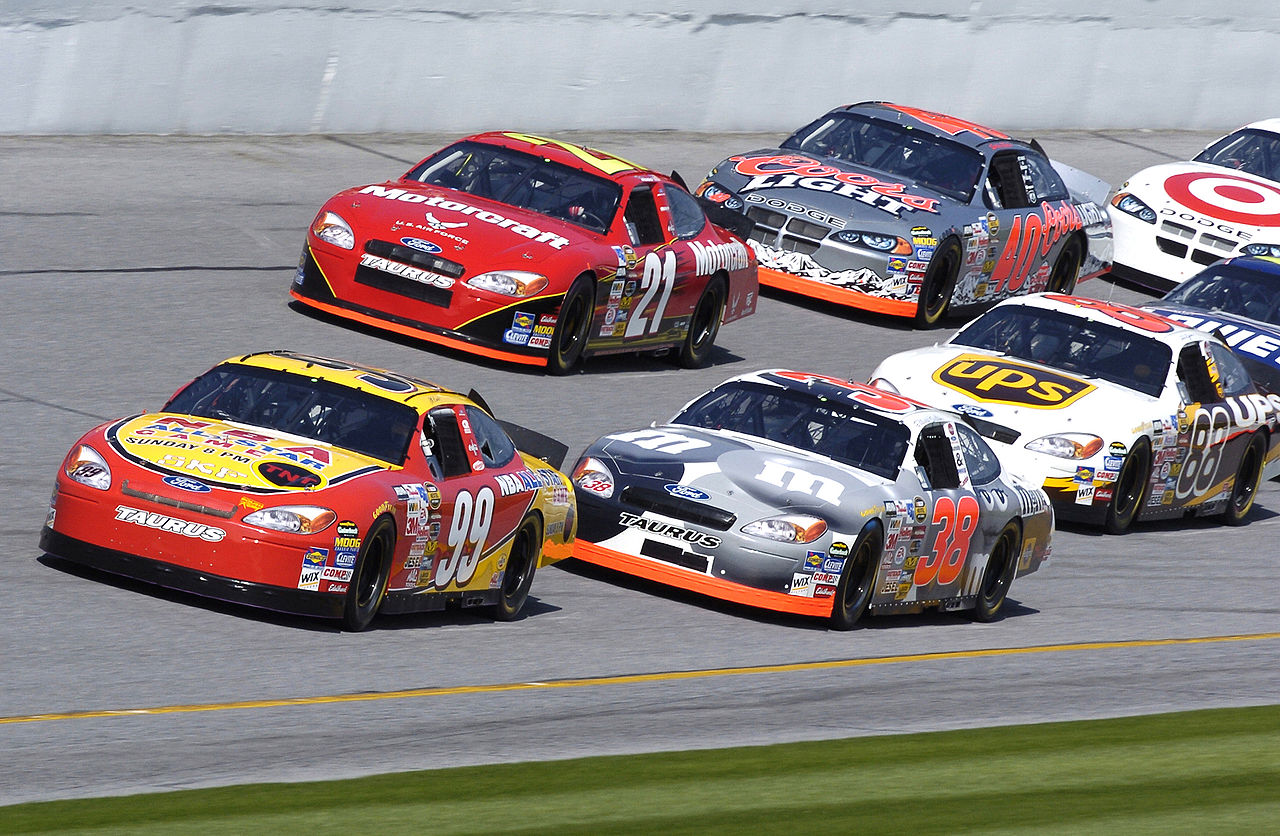


Common vehicles and formats
Typical vehicles include cars and other motor vehicles (cars and related machines), motorcycles (motorcycles) and powerboats (boats). Some disciplines involve aircraft such as air races (aircraft) or winter machines like snowmobiles (snowmobiles).
Events are often divided into two broad approaches: speed-based contests, where the fastest competitor wins, and skill-based trials, which judge precision, reliability or penalties. Speed events include circuit racing, rallying and drag racing; skill events include trials and certain endurance challenges.
History and development
The roots of organized motor sport extend to the early days of motorized transport in the late 19th and early 20th centuries, when manufacturers and enthusiasts staged reliability trials and races to demonstrate performance. Over time the activity professionalized, developing dedicated series, standardized safety measures and technical regulations. High-profile championships such as Formula 1 and national stock-car series have shaped public interest and automotive technology.
Uses, importance and notable disciplines
- Entertainment and spectator sport: events draw large live and broadcast audiences.
- Technology development: racing often accelerates advances in engines, aerodynamics and safety systems.
- Driver development and commerce: series provide careers, sponsorship and manufacturer competition.
Well-known disciplines range from rallying and open-wheel series to touring cars, motocross and endurance racing. Organized competitions exist at amateur and professional levels and are promoted by local clubs and international federations.
Key distinctions and safety
Notable distinctions include closed-circuit versus point-to-point formats, and single-seater versus multi-seat vehicles. Safety remains a central concern: regulation covers vehicle design, protective equipment and circuit infrastructure. The continual balancing of performance, fairness and safety defines modern motor sports.
For further reading on governance, race formats and specific series consult specialist resources or national federations via links such as governing bodies and series pages for cars, bikes and boats (cars, motorcycles, boats). Additional materials on air and snow disciplines are available through dedicated organizations (air, snow).
Major commercial and historic series remain central to the sport’s culture and development, with examples that include international championships and national competitions.
Related articles
Author
AlegsaOnline.com Motor sports: overview, types, history and significance Leandro Alegsa
URL: https://en.alegsaonline.com/art/66922