
Formula 1: overview, structure, technology and global significance
Formula 1 (F1) is the highest class of international single-seat auto racing, featuring a global series of Grand Prix events, advanced open-wheel cars, team championships and large commercial and technical complexity.
Overview
Formula 1 (often abbreviated F1) is the premier international category of single-seat, open-wheel motorsport. Each season consists of a series of Grand Prix races staged on closed circuits and public-road courses in different countries. Some of the most famous events take place in Monaco, Singapore, Italy and Britain. Races are contested by professional teams and drivers who earn points toward two major titles: the Drivers' Championship and the Constructors' (teams') Championship.
Image gallery
10 Images


Cars and technology
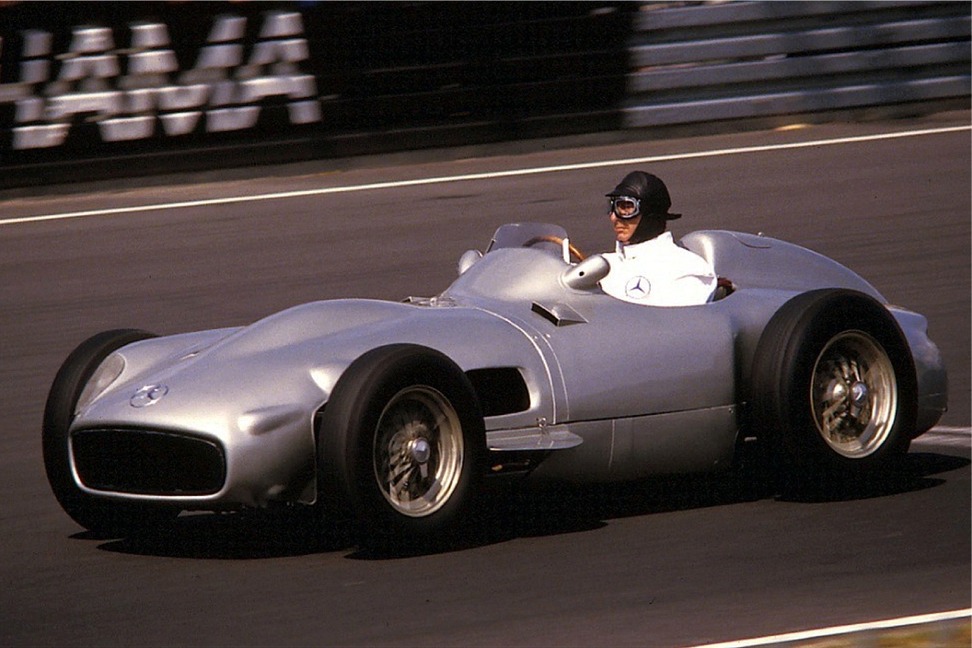
F1 cars are purpose-built, open-wheel machines that prioritize speed, grip and aerodynamic efficiency. Modern cars combine lightweight carbon-fibre construction, advanced aerodynamics, powerful hybrid power units and highly-tuned suspension. Top speeds in certain layouts can approach 350 km/h (220 mph) depending on gearing and circuit characteristics. Performance depends on many technical areas including engine power, chassis balance, downforce, tyres and cooling systems.
Teams, personnel and structure
Teams vary in size and organization; large constructors can employ hundreds of people to design, build and operate the cars. A typical team will include:
- Drivers and reserve/test drivers — the competitors who race each weekend.
- Team management, including a team principal who oversees operations.
- Race engineers and performance specialists who tune car setup — often called engineers.
- Mechanics who prepare and maintain cars during race weekends — see mechanics.
- Designers and aerodynamicists responsible for chassis and wing design — see designers.
Historic and successful teams include McLaren, Ferrari and Williams. Depending on scope and facilities, a team’s workforce can reach several hundred people working across factories and the paddock.
Race weekend, competition and awards
A typical race weekend comprises practice sessions, a qualifying session that sets the starting grid and the race. Qualifying determines pole position (the fastest lap) and helps shape race strategy. Since 2010 the points system awards 25 points for a race win to the driver and the corresponding team; other positions also score points toward the season totals. In addition to race points, recognition for pole positions has been formally acknowledged with awards introduced in recent years — a dedicated pole trophy was added in 2014 (details). Success on race day depends on car performance, tyre management, pit-stop efficiency and strategy as much as on driver skill.
History, governance and modern developments
Formula 1 evolved from early 20th-century Grand Prix racing into a regulated world championship established in the mid-20th century. Today the sport is administered under the rules of the Fédération Internationale de l'Automobile (FIA), which is headquartered in France. Over decades F1 has seen major technical eras, safety improvements and commercial growth. Recently, the sport has implemented rule changes aimed at improving on-track competition and entertainment value in response to audience trends and to manage costs and sustainability.
Significance and public interest
Beyond pure competition, Formula 1 is a global entertainment and technology showcase. It influences automotive innovation (particularly in areas such as hybrid systems and materials), supports a large supply chain and attracts substantial media and sponsorship investment. Organizers and regulators continually adapt sporting and technical regulations to keep racing close, increase overtaking opportunities and broaden appeal to new audiences worldwide.
Questions and answers
Q: What is Formula 1?
A: Formula 1 is a type of motorsport where teams compete in a series of Grand Prix races held in different countries around the world.
Q: How fast do the cars reach?
A: The cars can reach speeds up to 350 km/ hour (220 mph).
Q: What are some popular teams in Formula 1?
A: Some popular teams that have won championships include McLaren, Ferrari and Williams.
Q: How many people are on each team?
A: Teams can have as many as 600 people.
Q: What factors affect winning a race?
A: Winning a race is affected by factors such as having a good starting position, strategy, skill in pitstops and having a fast car.
Q: What was added to the championship in 2014?
A: In 2014, a trophy was added for the person with the most pole positions (fastest time set in qualifying) during a season.
Q: Who runs Formula One?
A: The body that runs Formula One is called the FIA and it is based in France.
Related articles
Author
AlegsaOnline.com Formula 1: overview, structure, technology and global significance Leandro Alegsa
URL: https://en.alegsaonline.com/art/118991