
Mountain biking
Recreational and competitive off‑road cycling using specially built bicycles; covers disciplines, bike design, skills, safety, history, and environmental etiquette.
Mountain biking is the activity of riding bicycles away from paved roads, typically over natural and rugged terrain. Riders use purpose-built mountain bikes that differ from road or hybrid bicycles in frame geometry, tire width, suspension, and component strength. While it can be a casual outdoor pastime, mountain biking is also a disciplined sport with organized competitions and distinct styles. For basic context see bicycles and the nature of off‑road riding.
Image gallery
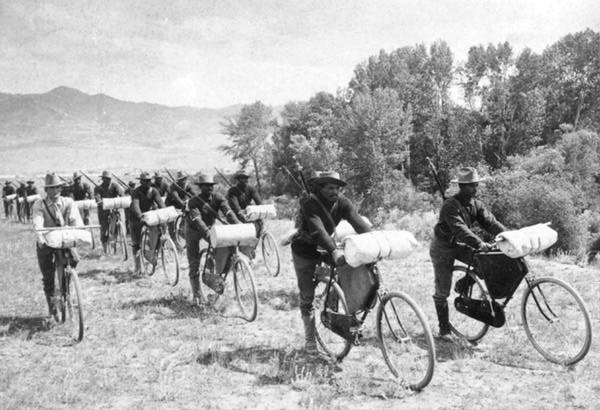
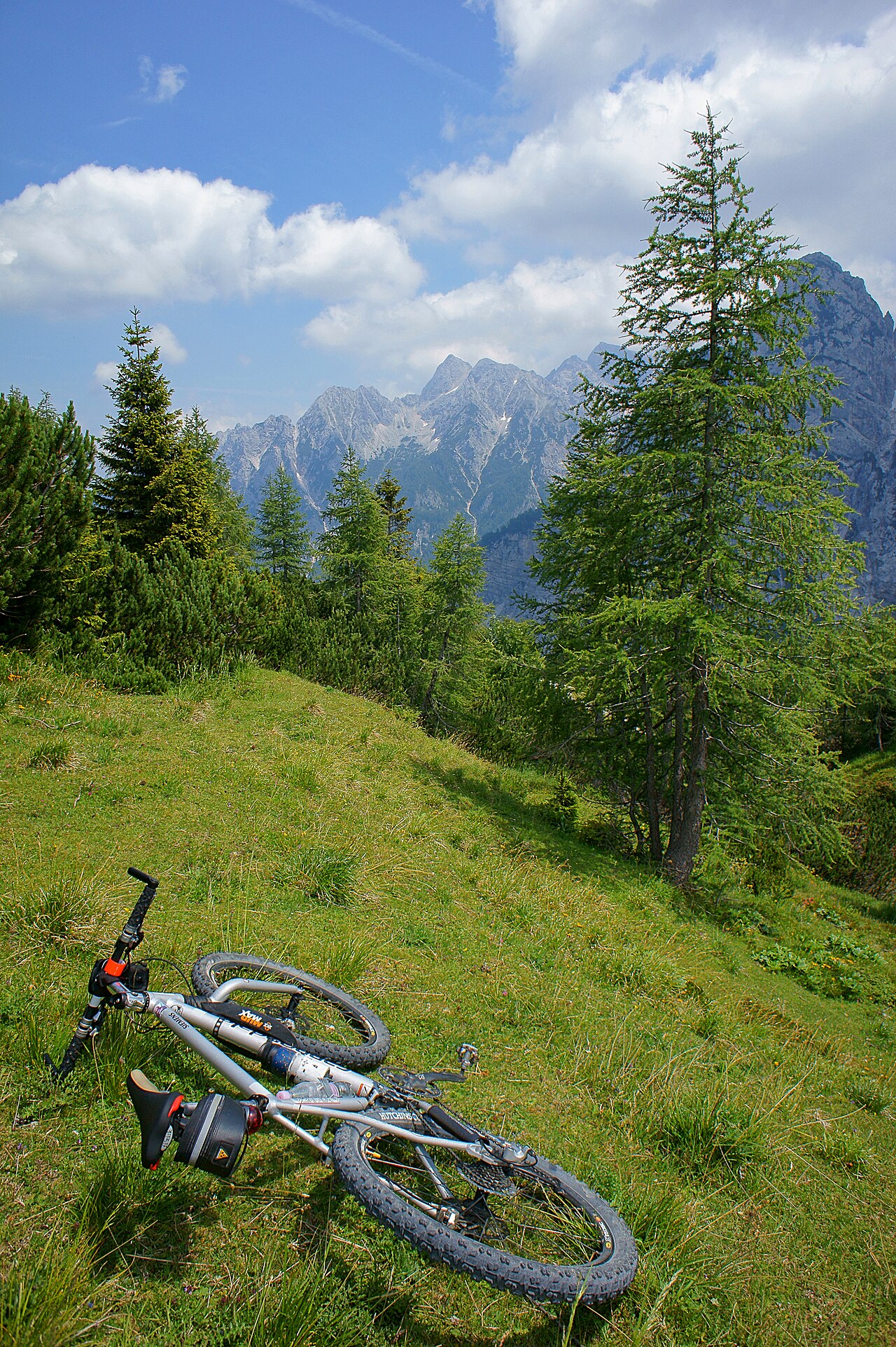
10 Images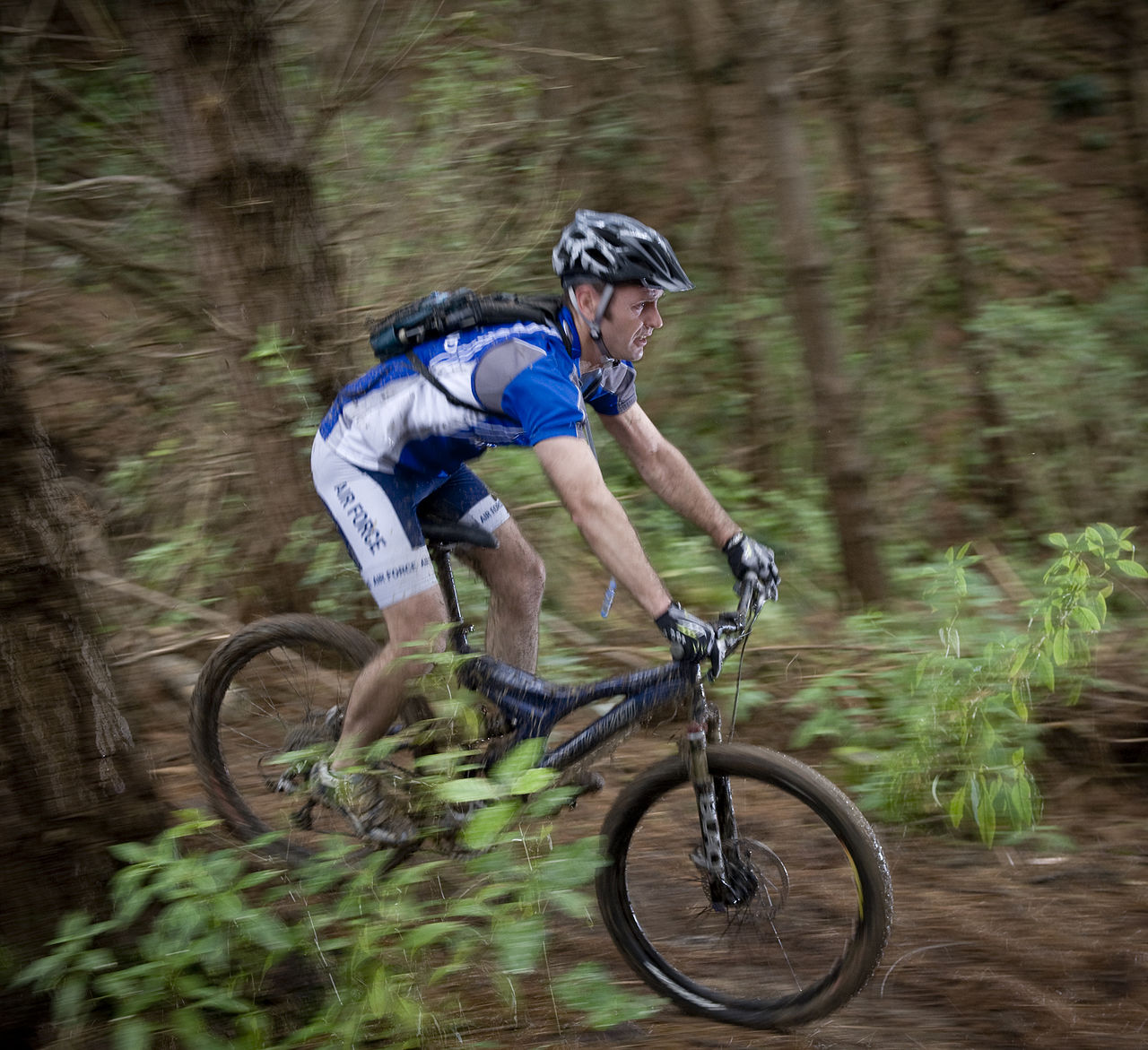





Characteristics and bicycle design
Mountain bikes are engineered to tolerate impacts, traction changes, and variable surfaces. Key elements include wider, knobby tires for grip, reinforced frames, a range of gears for climbing and descending, and often front or full suspension systems to absorb shocks. Riders typically choose components and setup based on terrain and discipline; for example, aggressive downhill setups favor heavy-duty brakes and long‑travel suspension, while cross‑country bikes emphasize light weight and pedaling efficiency. Learn more about specific parts and suspension choices at frame and suspension and consider gearing options explained at gears.
Major disciplines
Mountain biking covers a range of riding styles, each with its own equipment and techniques. Common categories include:
- Cross‑country (XC) – endurance‑oriented, combining climbs and varied singletrack.
- Trail – versatile, the most widespread style blending climbs, descents, and technical features; see trail riding.
- All‑Mountain/Enduro – focused on timed downhill stages with pedaled transfers uphill.
- Downhill – gravity‑focused, steep and technical runs with shuttle or lift access.
- Freeride and Dirt Jumping – emphasizing tricks, gaps, drops, and constructed features.
Skills, fitness and safety
Riding off‑road demands balance, core and leg strength, endurance, and refined bike handling. Techniques include proper body position, braking modulation, line choice, and weight distribution on climbs and descents. Braking requires particular attention on loose or steep terrain; use controlled modulation rather than abrupt stops to maintain traction and stability. For references on handling techniques see bike handling skills and braking principles at brakes. Protective gear is recommended: a well‑fitting helmet, gloves, and where appropriate elbow and knee protection help reduce risk. Riders should also be aware of common injuries and first‑aid essentials.
History, culture and access
Mountain biking emerged in the late 20th century as riders adapted robust bicycles for dirt tracks and fire roads. It quickly diversified into the specialized disciplines now seen worldwide. The sport has its own culture—trail building, group rides, competitive circuits, and a market for specialized gear. Access to trails varies: some are managed by public agencies, others by private clubs, and regulations differ by region. Guidance on stewardship and permitted access is important; riders should check local rules and respect the natural setting, including resources about environmental impact at environment.
Practical considerations and further resources
Beginners should start on simple trails, learn basic maintenance such as fixing a flat tire and adjusting brakes, and gradually build skills. Common items to carry include a multitool, spare tube or patch kit, pump, water, and a compact first‑aid kit. For equipment purchases and comparisons consult general product guides and community resources—see introductory material at bicycles and local trail organizations via off‑road groups. Additional reading and guides about setup, training, and riding ethics can be found at trail associations and gear reviews linked through frame and suspension notes and skill tutorials.
Questions and answers
Q: What is mountain biking?
A: Mountain biking is the sport of riding bicycles off-road, usually over rough terrain.
Q: What type of bike is used for mountain biking?
A: Mountain bikes are specially designed to be stronger and hold up in rough terrain. They are similar to other bikes but have features that make them better suited for off-road riding.
Q: What are the different categories of mountain biking?
A: The different categories include cross country, trail riding, all mountain (also referred to as "Enduro"), downhill, freeride and dirt jumping. However, the majority of mountain biking falls into the categories of trail and cross country riding styles.
Q: What skills does a rider need for mountain biking?
A: A rider needs endurance, core strength and balance as well as bike handling skills and self-reliance. Advanced riders take on steep technical descents and high incline climbs.
Q: Where can you do mountain biking?
A: You can do it almost anywhere from a back yard to a gravel road but most people ride off-road trails.
Q: How should brakes be used on a mountain bike?
A: Brakes should be used carefully when going downhill on a mountain bike since it's easy to lose control in rough terrain.
Q: Are there gears available on a mountain bike?
A: Yes, there are several gears available on a mountain bike which can help with navigating through rough terrain.
Related articles
Author
AlegsaOnline.com Mountain biking Leandro Alegsa
URL: https://en.alegsaonline.com/art/67125
Sources
- bicycling.about.com : "What is a Mountain Bike?"
- active.com : "The Basics: Mountain Bike Skills You Need to Know"
- active.com : "Beginner's Guide to Gears on Your Mountain Bike"
- testfacts.com : "Mountain Bike Knee Pads"
- treadlightly.org : "Quick Tips For Responsible Mountain Biking"