
Mossi people
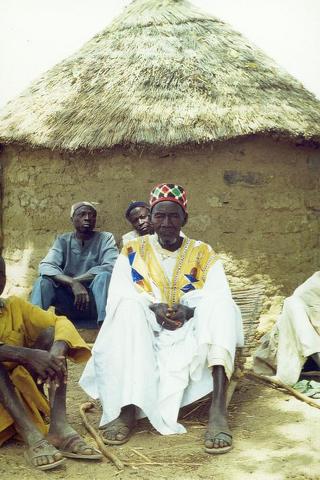
The Mossi are the largest ethnic group of Burkina Faso, also living in Ivory Coast and Ghana. They speak Mòoré, maintain historic kingdoms, practice mixed religions, and have a strong agricultural and oral tradition.
The Mossi are an ethnic group of West Africa who live primarily in central and northern Burkina Faso, with communities in neighboring Ivory Coast and Ghana. They constitute a large portion of Burkina Faso's population—commonly cited at about 40%—and speak Mòoré (also written More), a Gur language of the Oti–Volta family.
Image gallery
8 Images



Origins and history
Mossi oral tradition traces the origin of their ruling line to the legendary warrior princess Yennenga and her son, often named Ouedraogo, who is regarded as a founding ancestor. From these origins grew a network of powerful, centralized chiefdoms and kingdoms centered on cities such as Ouagadougou and Yatenga. These states maintained cavalry-based armies and distinctive political institutions and resisted full incorporation by neighboring empires until the arrival of French colonial administration in the late 19th century.
Society, politics, and economy
Mossi society historically combined centralized chieftaincies with agrarian village life. Rulers are commonly referred to by the title Naaba and presided over courts, land allocation, and dispute settlement. Most Mossi are smallholder farmers who cultivate millet, sorghum, maize and other staples; livestock raising is also important. Social life blends lineage groups, age-grade practices, and both inherited and common rights to land and resources.
Language, religion, and culture
The Mòoré language serves as a principal identifier and medium for oral history, proverbs, and songs. Religious life among the Mossi is plural: many observe Islam or Christianity alongside traditional beliefs that emphasize ancestor veneration, initiation rites, and local spirits. Artistic expression includes storytelling, music, dance, and handicrafts such as weaving, pottery and wood carving, all of which support ceremonial life and community identity.
Contemporary significance
In modern Burkina Faso the Mossi remain politically and culturally influential. Urban migration has spread Mossi communities and language to towns and cities, while festivals and chiefs retain symbolic importance. Mossi experience and institutions are central to national debates about land, governance and cultural heritage in the region.
Notable features
- Language: Mòoré (More), a Gur (Oti–Volta) language.
- Political tradition: historic kingdoms led by Naaba rulers.
- Economy: mainly subsistence agriculture with livestock herding.
- Cultural life: strong oral tradition, music, dance, and crafts.
- Geography: concentrated in Burkina Faso but present across borders in Africa.
Related articles
Author
AlegsaOnline.com Mossi people Leandro Alegsa
URL: https://en.alegsaonline.com/art/66862
Sources
- cia.gov : CIA. The World Fact Book. 01/10/2006. Retrieved 02/10/2006
- books.google.com : Mossi