
Ghana: West African country of history, culture, and natural resources
Ghana is a West African country on the Gulf of Guinea, known for its diverse geography, rich cultural traditions, natural resources such as gold and cocoa, and a stable multiparty democracy. Capital: Accra.
Overview
Ghana is a sovereign state on the Gulf of Guinea in West Africa. Formerly known as the Gold Coast under British colonial rule, it became the first sub‑Saharan African colony to gain independence in 1957. Ghana is a constitutional republic with a presidential system and regularly held elections. The capital and largest city is Accra, a coastal metropolis that serves as the political, economic and cultural center of the country. For an introductory country profile see Ghana country profile.
Image gallery
10 Images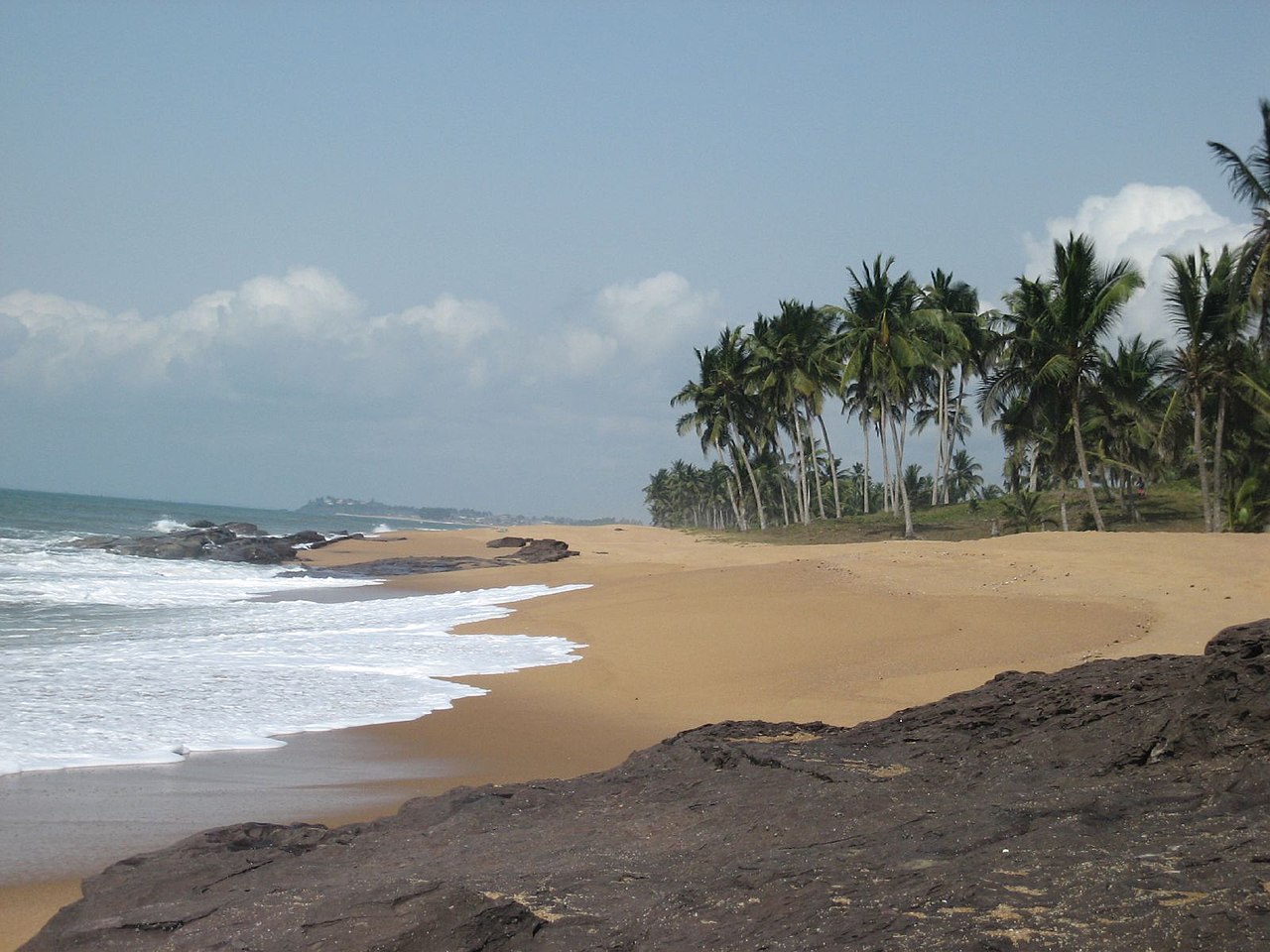




Geography and climate
Ghana extends from the Atlantic coast northward through a variety of landscapes that include coastal plains, forested regions, and savanna in the interior. It shares land borders with Côte d'Ivoire to the west, Burkina Faso to the north and Togo to the east. The Volta Basin dominates the eastern part of the country; Lake Volta, created by the Akosombo Dam, is one of the largest man‑made lakes in the world and plays an important role in electricity generation and irrigation. The climate is tropical, with a warm, humid southern belt, wetter southwestern areas, and drier conditions in the north. Seasonal rainfall patterns influence agriculture and livelihoods across regions.
History and governance
Before European colonization the area that is now Ghana was home to powerful states and trading networks. Under British rule it was called the Gold Coast because of its rich mineral deposits and long involvement in regional and trans‑Atlantic trade. Independence was achieved in 1957 under the leadership of Kwame Nkrumah, and the country has since experienced periods of one‑party rule, military governments and a return to democratic civilian governance. Today Ghana is noted for relatively stable institutions, an active civil society, and a judiciary and media that play visible roles in public life.
People, languages and culture
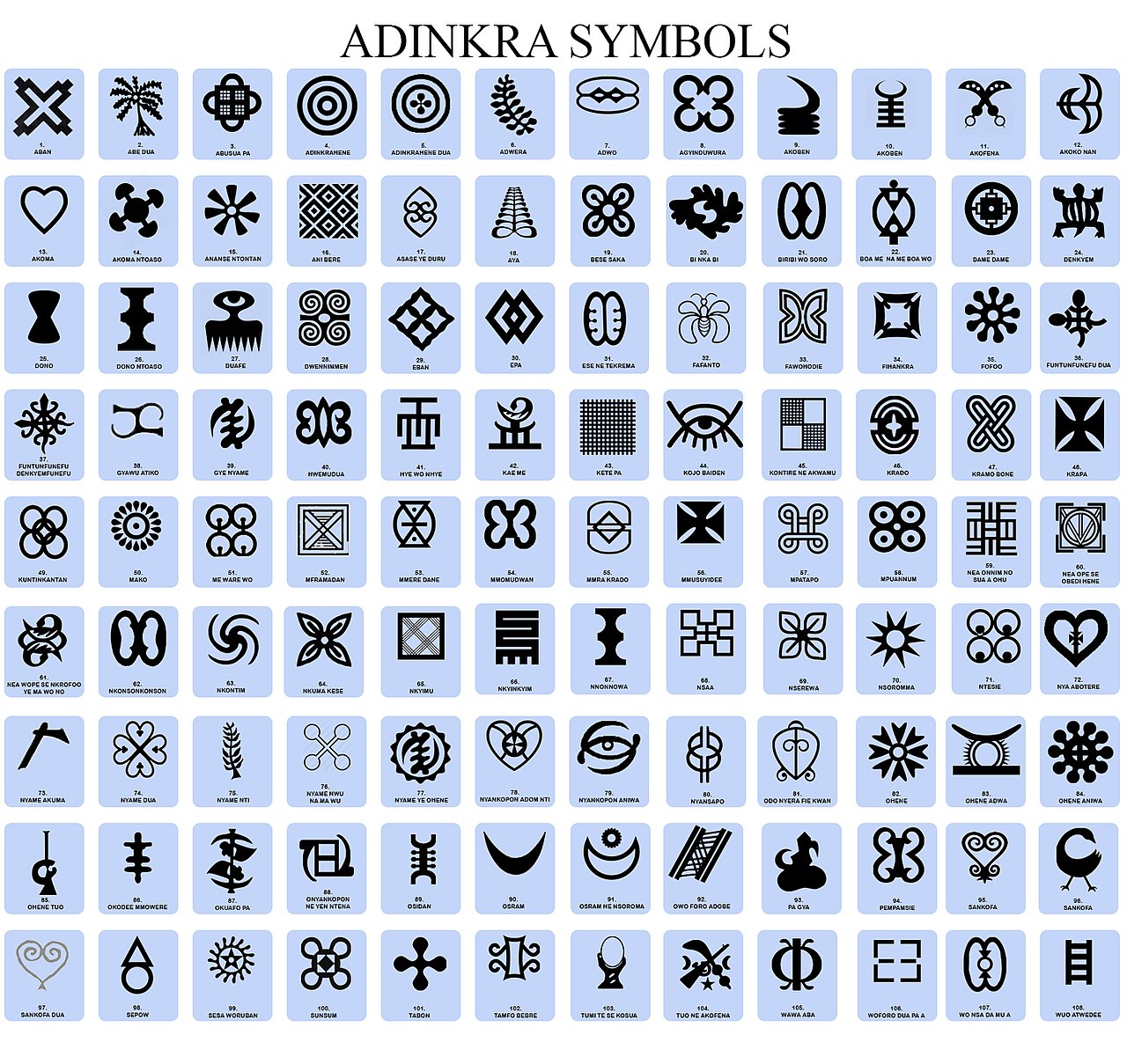
Ghana is ethnically and linguistically diverse. Major ethnic groups include the Akan, Mole‑Dagbon, Ewe and Ga‑Adangbe, among others. English is the official language and is used in government, education and business; numerous indigenous languages are widely spoken in everyday life. Ghanaian culture is rich in music and dance traditions, such as highlife and contemporary popular genres, and in textile arts like kente cloth. Traditional festivals, chieftaincy institutions and community ties remain important elements of social life.
Economy and natural resources
The economy is mixed and resource‑based. Ghana is a leading producer of cocoa and gold, and it also has significant timber, diamond and petroleum sectors. Agriculture continues to provide employment for a large share of the population, while mining, oil and expanding services contribute to export earnings and government revenue. Urbanization, growth of telecommunications and financial services, and regional trade are ongoing drivers of economic change.
Education, health and infrastructure
Ghana has prioritized broad access to primary and secondary education and maintains a growing tertiary sector with a number of public and private universities. Public health systems and infrastructure have expanded, though there are differences in access and quality between urban and rural areas. Major transport links include seaports, such as Tema and Takoradi, road networks and an international airport in Accra. Electricity generation relies on a mix of hydropower, thermal generation and growing interest in renewable sources.
Tourism and notable sites
Ghana attracts visitors to its coastal forts and castles associated with the Atlantic slave trade, such as those at Cape Coast and Elmina, as well as to national parks and wildlife areas like Mole National Park. Cultural tourism includes colorful festivals, craft markets and historic sites. Practical visitor guidance and travel information are available from official and tourism resources: visitor information.
Society, religion and public life
Religious life in Ghana is plural: Christianity and Islam are widely practiced alongside traditional beliefs. Social life often centers on family and community networks, and traditional authorities coexist with democratic institutions at local and national levels. Ghana participates actively in regional and international organizations and maintains diplomatic relations with many countries; for official government information see government resources.
Quick facts
- Capital: Accra (administrative and commercial center) — see Accra and administration.
- Official language: English; many regional languages are widely spoken
- Currency: Ghanaian cedi (redenominated in 2007)
- Major exports: cocoa, gold, timber, petroleum
- Notable geographic feature: Lake Volta (large man‑made lake)
Ghana's combination of historical sites, cultural diversity, natural resources and political stability make it a prominent country in West Africa. Ongoing development challenges and opportunities shape national policy and local livelihoods, while Ghana's role in regional diplomacy and economic integration continues to evolve.
Questions and answers
Q: What is the capital of Ghana?
A: The capital of Ghana is Accra.
Q: What are the bordering countries of Ghana?
A: Ghana borders the Gulf of Guinea, between Côte d'Ivoire and Togo.
Q: What is the climate like in Ghana?
A: Since it is near the Equator, the climate in Ghana is very warm and tropical. The eastern coastal belt is warm and comparatively dry, while the south west corner is hot and humid, and the north is hot and dry.
Q: Does Ghana have access to education?
A: Yes, most people in Ghana have access to primary and secondary education. There are 6 public universities as well as 10 private universities.
Q: What natural resources does Ghana have?
A: Some natural resources found in Ghana include gold, timber, cocoa, diamonds, among others.
Q: How strong is the economy in Ghana?
A: The economy in Ghana has been rated one of strongest economies in Africa.
Q: What currency does Ghan use?
A:Ghana used “Cedi” for their currency but since July 2007 “Ghanaian Cedi” became their new currency with 1 US dollar being exchanged at about 8 Ghanian Cedi.
Related articles
Author
AlegsaOnline.com Ghana: West African country of history, culture, and natural resources Leandro Alegsa
URL: https://en.alegsaonline.com/art/38613
Sources
- emefa.myserver.org : "Emefa.myserver.org" · webcitation.org
- ghanaembassy.org : "Ghana -Language and Religion"
- statsghana.gov.gh : "2020 Population Projection by Sex, 2010–2020"
- ghana.gov.gh : "2010 Provisional Census Results Out"
- imf.org : "Report for Selected Countries and Subjects"
- data.worldbank.org : "GINI index (World Bank estimate)" · web.archive.org
- hdr.undp.org : "Human Development Report 2019"
- news.bbc.co.uk : "USA 1–2 Ghana (aet)"
- misswestafricaghana.com : "Ms.Ghana Culture"