
Wizard: definition, traditions, and cultural roles
A wizard is a figure traditionally associated with the practice of magic. This article outlines the archetype’s characteristics, origins in myth and folklore, literary evolution, roles, and modern uses.
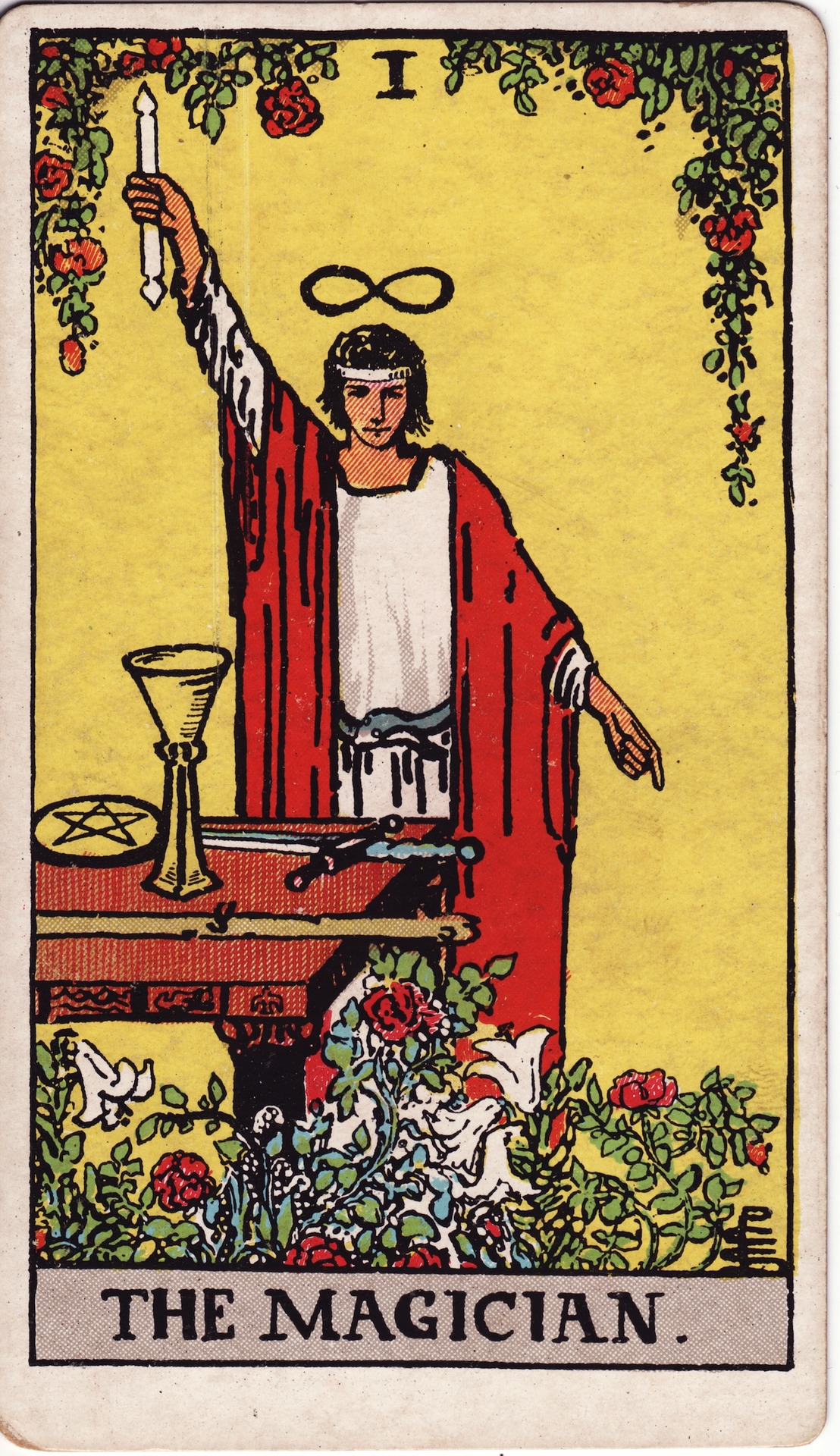
A wizard is a character traditionally described as someone who uses magic, whether through natural talent, learned study, or a combination of both. In many stories and beliefs a wizard stands in a special relationship with supernatural forces or beings such as gods and fairies, and in some accounts may be a kind of supernatural agent themselves. The label can apply to a broad range of figures from simple folk healers to elaborate scholar-mages in high fantasy.
Image gallery
10 Images





Appearance and common traits
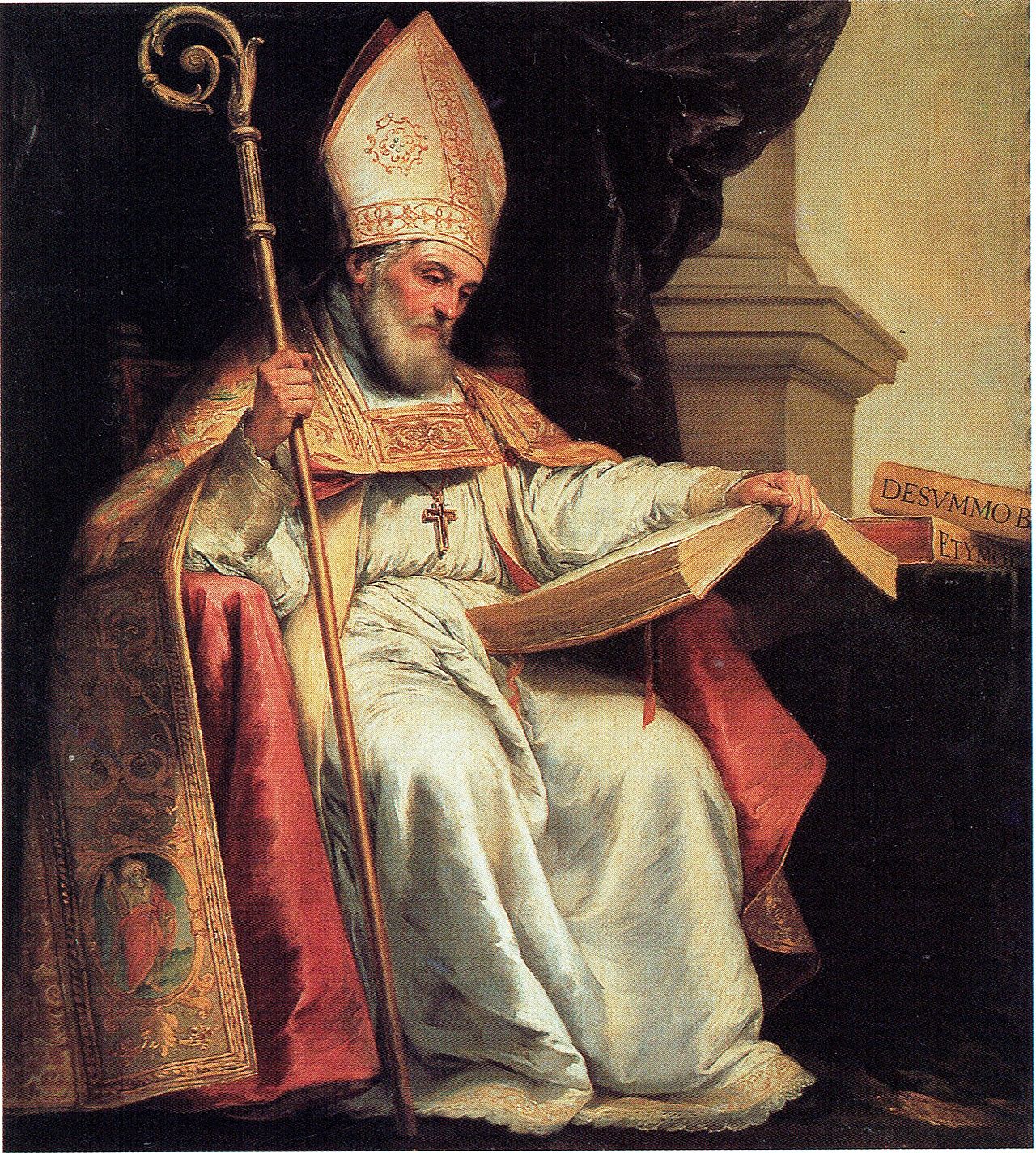
Popular images of wizards often include an elderly person with a long beard, robes, a pointed hat and a staff. These visual cues have multiple roots: they echo representations of wandering wise figures from northern and medieval traditions and are reinforced by later art and literature. The motif of a disguised traveler who is more than he appears is found in older mythic figures such as Odin, whose wanderer aspect resembles later wizard portraits. Gender and title do not always align—female practitioners appear in many sources and may be called sorceresses, witches, or by specific names such as Morgan le Fay or Circe, the latter rooted in broader traditions of Greek mythology.
Origins and literary development
The wizard archetype draws on many streams of belief and storytelling. Early folklore and medieval chronicles mixed learned, quasi-religious figures and popular magicians; the figure of Merlin in the Arthurian legends is one of the most influential early literary examples. Over time the depiction of wizards evolved: some narratives emphasize scholarly magic obtained through books and study, while others stress innate power, ritual, or pacts with otherworldly entities.
Roles in fiction: mentors, villains, and ambiguous figures
In modern fiction wizards fulfill a range of narrative roles. They are often mentors and protectors—classic examples include characters such as Albus Dumbledore from the Harry Potter series and wise guides like Gandalf in Middle-earth. Equally, the same traditions provide antagonists: ambitious or corrupted magicians feature as villains, a contrast sometimes summarized by the term evil wizard. Authors use the archetype flexibly, making it a source of moral authority, cosmic danger, or ambiguous power depending on the story.
Types, terminology, and distinctions
- Learned mage or wizard: portrayed as a scholar who studies spells, books, and rituals.
- Folk magician: a local practitioner who uses charms, herbal lore, and practical magic.
- Sorcerer/sorceress: sometimes used to suggest innate or inherited power rather than acquired knowledge.
- Enchanter/warlock: terms that emphasize specific techniques, pacts, or social roles in different cultures.
Modern usage and cultural significance
Beyond myth and fiction, "wizard" is widely used as a metaphor for someone with exceptional skill or creativity. Historical nicknames like the "Wizard of Menlo Park" used for Thomas Edison reflect this practice; Edison was a prominent American inventor whose prolific output inspired the epithet. In contemporary contexts the term also appears in technology (for example, user-interface "wizards" that guide a process) and in games where the wizard class remains a staple archetype.
As an archetype, the wizard endures because it combines mystery, knowledge and power in a single figure. Its forms change with cultural needs—sometimes comforting and wise, sometimes transgressive and threatening—but its role as a vehicle for exploring human concerns about knowledge, authority and the unknown persists across media and eras.
Questions and answers
Q: What is a wizard?
A: A wizard is a fictional or mythical person who uses magic. This ability to use magic may be due to innate ability, training, or both.
Q: Who are some well-known examples of wizards?
A: Merlin from the Arthurian legends and Dumbledore and Gandalf from the Harry Potter series and Tolkien's Middle Earth are some well-known examples of wizards.
Q: Are all wizards portrayed as good characters?
A: No, not all wizards are portrayed as good characters. Voldemort and Saruman are examples of "evil" wizards.
Q: How are wizards usually depicted in stories?
A: Wizards are often depicted as old men with long, flowing beards, wearing a large-brimmed hat, a thick cloak and holding a staff.
Q: Are there any female wizard characters in mythology or fiction?
A: Yes, there have been female wizard characters in mythology or fiction such as Morgan le Fay from Arthurian legends and Circe from Greek mythology.
Q: Is the term "wizard" used for anyone with unusual skill or creativity?
A: Yes, nowadays the term "wizard" is also used for someone whose accomplishments are due to unusual skill or creativity; an example being Thomas Edison who was nicknamed "the Wizard of Menlo Park".
Related articles
Author
AlegsaOnline.com Wizard: definition, traditions, and cultural roles Leandro Alegsa
URL: https://en.alegsaonline.com/art/108758