
Morpheus (mythology)
Morpheus is the dream-shaping figure of classical myth, associated with human-form dreams, the Oneiroi, and later cultural traditions from poetry to medicine and modern culture.
Overview
Morpheus is the figure from classical mythology most often linked with the shaping of dreams. In later poetic accounts he is a leader among the Oneiroi, entities that bring visions during sleep. His name derives from the Greek word for "form" or "shape," reflecting his role in giving human appearance to dream-images.
Image gallery
8 Images





Characteristics and role
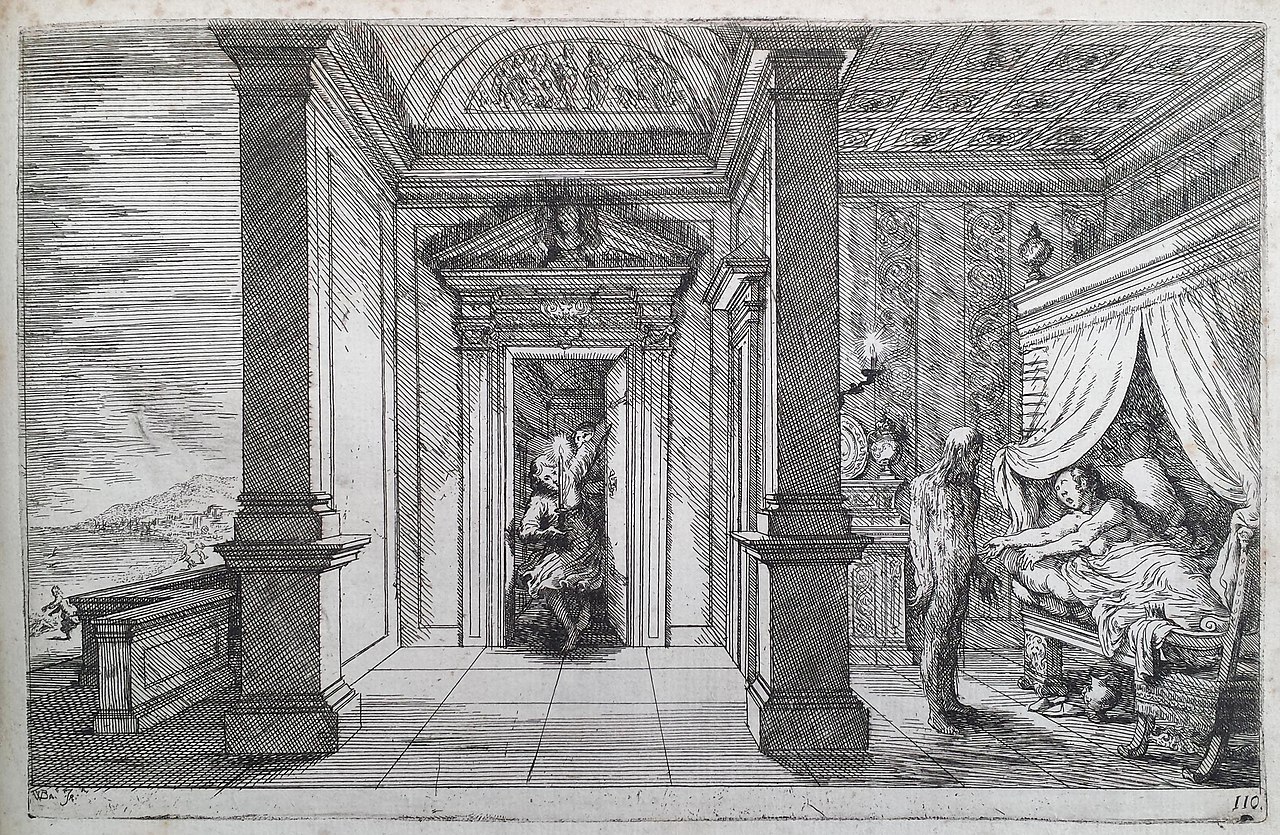
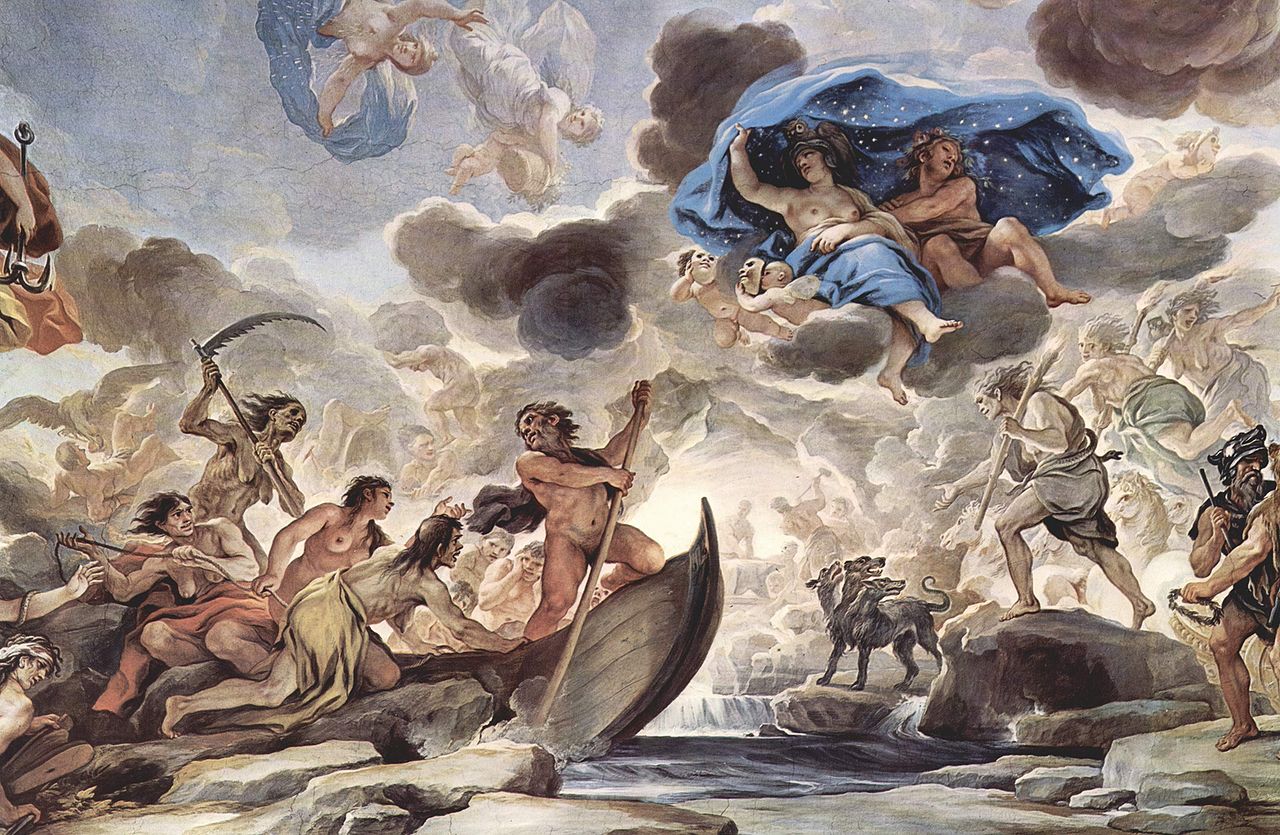
Morpheus is traditionally described as the dream-shaper who appears in sleep as a human being, making messages or omens take recognisable human form. Ancient treatments distinguish types of dreams: some present people, some animals, and some inanimate scenes. Morpheus is linked to the former category while other dream-figures handle other kinds of material.
Ancient sources and parentage
Classical authors differ about origins. Morpheus is often called the son of the sleep-god Hypnos (Latin Somnus) and sometimes associated with Pasithea or other divine figures. Roman poetry, especially Ovid, gives a vivid account of Morpheus and two related dream-spirits—Phobetor (sometimes called Icelus) and Phantasos—who together produce human, monstrous, and inanimate dream-images.
Significance and later influence
Morpheus has resonated beyond antiquity. His image influenced art and literature from antiquity through the Renaissance and into modern times. The name inspired the pharmaceutical term "morphine" because of its sleep- and dream-inducing associations, and the character appears in contemporary fiction and film as a symbol of dreams or altered reality.
Notable distinctions
- Morpheus: chiefly human-form dreams.
- Phobetor/Icelus: monstrous or animal dreams.
- Phantasos: dreams of objects, landscapes, or inanimate things.
Although exact genealogies and attributes vary by author and era, Morpheus remains the convenient name for the classical personification of dream-forms and continues to serve as a cultural shorthand for the power of sleep to shape perception and imagination.
Related articles
Author
AlegsaOnline.com Morpheus (mythology) Leandro Alegsa
URL: https://en.alegsaonline.com/art/66740