
Mount Othrys: geography, ecology and myth of a central Greek mountain
Mount Othrys is a mountainous massif in central Greece known for its rugged terrain, ecological variety and its role in Greek mythology as the Titans' stronghold during their war with the Olympians.
Overview
Mount Othrys (Greek: Όρος Όθρυς) is a prominent mountain range in central Greece, situated between the northeastern part of the regional unit of Phthiotis and southern Magnesia. Positioned roughly at coordinates 39.01694°N, 22.70972°E, it forms a distinct natural block in the landscape and rises to heights that make it a visible landmark across nearby plains and coastal areas. The name Othrys appears in both geographical and literary contexts.
Image gallery
4 Images
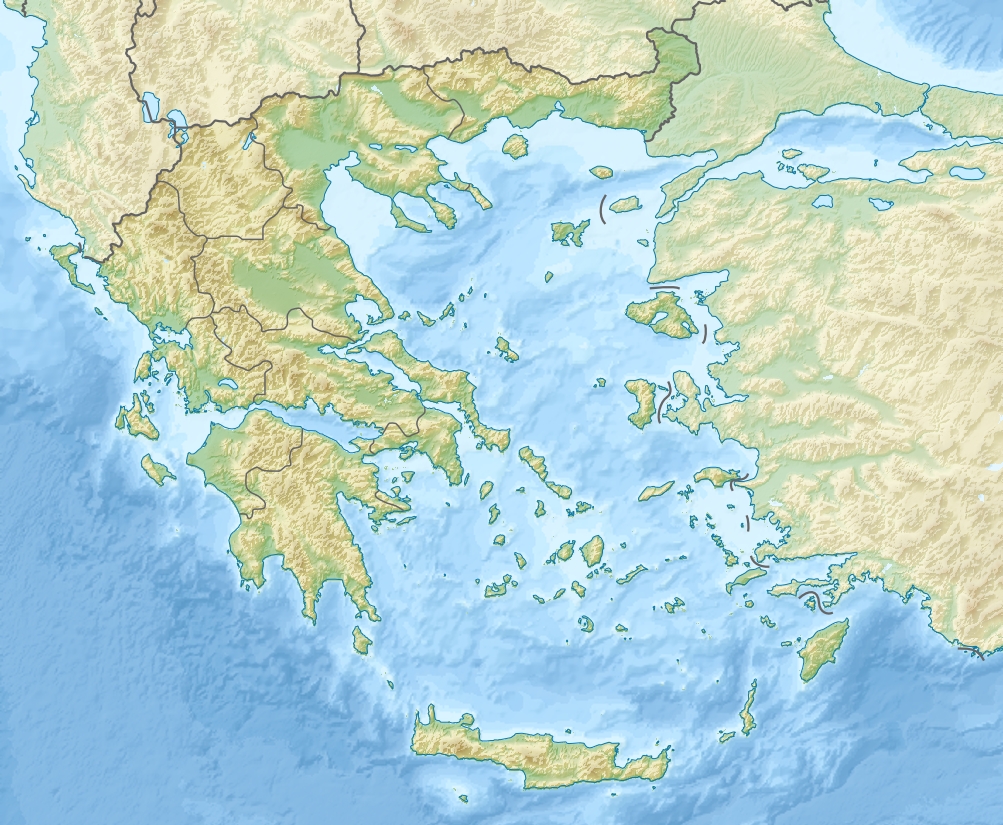


Geography and natural characteristics
The massif is made up of a series of ridges, valleys and forested slopes, with limestone and schist outcrops common in its geology. The terrain supports mixed Mediterranean vegetation—maquis and oak woodlands at lower altitudes, with coniferous stands and alpine shrubs higher up. Mountain streams and seasonal springs feed local watersheds and sustain small farming communities in the foothills. The area is used for grazing, timber and, increasingly, outdoor recreation such as hiking and birdwatching.
Mythological importance
In ancient Greek myth, Mount Othrys is best known as the base of the Titans during their conflict with the younger Olympian gods. While the Olympians were associated with Mount Olympus, the Titans made Othrys their headquarters in the epic narrative of the Titanomachy. Classical sources and later traditions contrast the two mountains as opposing centers of divine power: the old order on Othrys and the new order on Olympus. The Titans themselves are often linked through literary references to the Titans and their opponents, the Olympians.
Human history and cultural role
Beyond myth, Mount Othrys has a documented human presence through antiquity and into modern times. Small villages and agricultural terraces cling to its lower slopes; local economies have long combined pastoralism with olive and cereal cultivation. The mountain's remote areas preserve traditional practices and local folklore, while recent decades have seen modest growth in eco-tourism and outdoor activities.
Notable facts and distinctions
- It occupies a transitional zone between Thessaly and Central Greece, influencing local climate and drainage patterns.
- Visitors often compare Othrys and nearby ranges: for comparison and further regional context see mountain resources and regional guides at central Greece references.
- For mythological study and classical sources related to the Titanomachy consult specialized literature and collections indexed at Titan texts and studies of the Olympian tradition.
Mount Othrys remains a place where natural diversity and cultural memory meet: a working landscape with a long literary afterlife that continues to attract interest from hikers, scholars and anyone intrigued by Greece's layered past.
Questions and answers
Q: What is Mount Othrys?
A: Mount Othrys is a mountain located in central Greece, in the northeastern part of Phthiotis and southern part of Magnesia.
Q: What are the coordinates of Mount Othrys?
A: The coordinates of Mount Othrys are 39°1′1″N 22°42′35″E / 39.01694°N 22.70972°E / 39.01694; 22.70972.
Q: What happened during the war between the Titans and the Olympians?
A: During the war between the Titans and the Olympians, both sides used a mountain as the base for their headquarters.
Q: What mountain did the Olympians choose for their headquarters?
A: The Olympians chose Mount Olympus for their headquarters.
Q: What mountain did the Titans choose for their headquarters?
A: The Titans chose Mount Othrys for their headquarters.
Q: How far apart were Mount Olympus and Mount Othrys?
A: In actuality, Mount Olympus and Mount Othrys were ten miles apart.
Q: What is the other name for Mount Othrys?
A: The other name for Mount Othrys is Othri.
Related articles
Author
AlegsaOnline.com Mount Othrys: geography, ecology and myth of a central Greek mountain Leandro Alegsa
URL: https://en.alegsaonline.com/art/67065
Sources
- oreivatein.com : Oreivatein.com