
Moral Majority: U.S. conservative Christian political movement
The Moral Majority was a prominent late-20th-century U.S. conservative Christian political organization that mobilized evangelical voters around social issues, lobbying, litigation, and candidate endorsements.
Overview
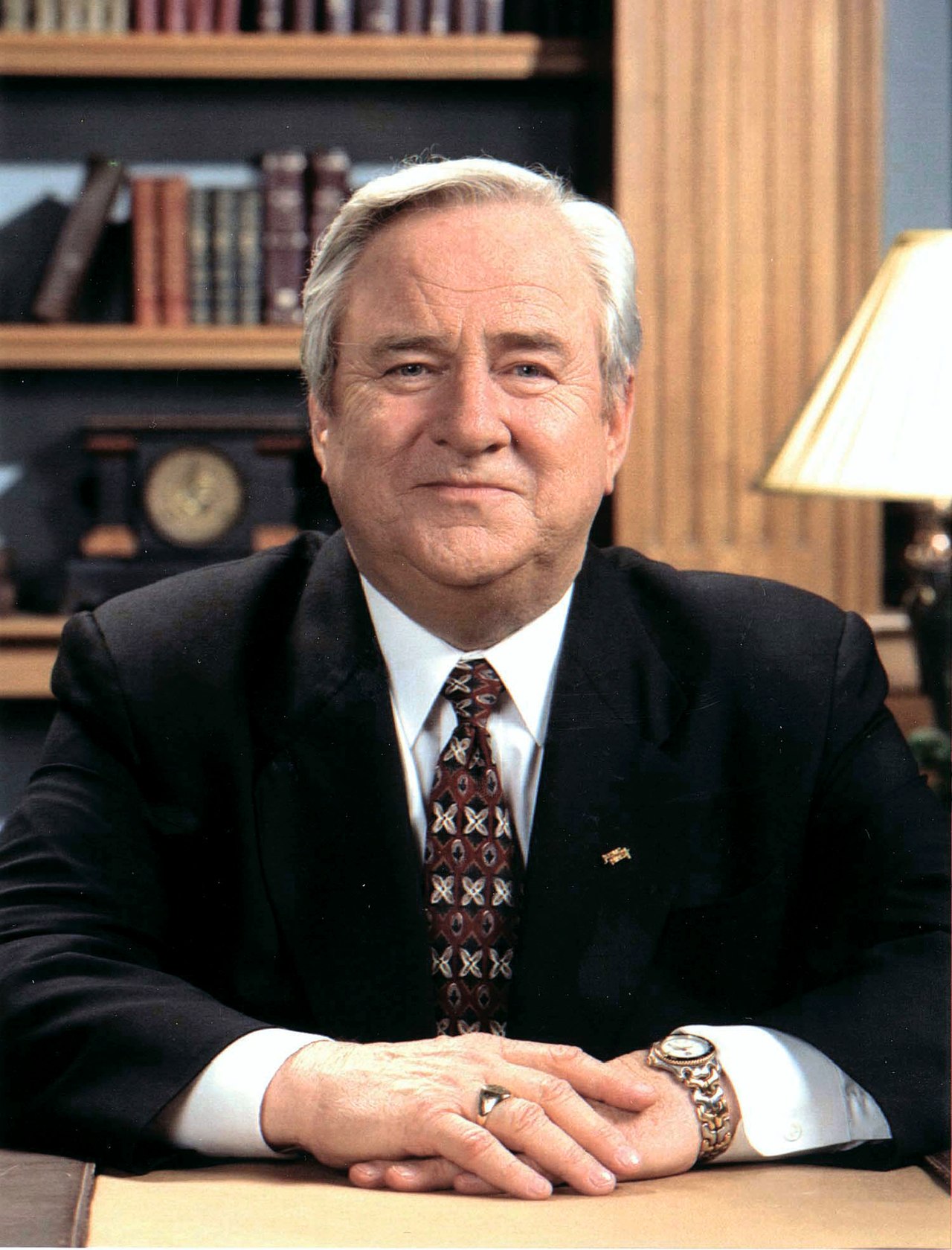
The Moral Majority was a prominent conservative Christian political organization founded in the United States in 1979 to channel evangelical and other religious voters into national and state politics. Its founder, Baptist pastor Jerry Falwell, framed the group as a response to social and legal changes that many religious conservatives opposed. The organization became widely identified with the emerging "religious right"—a coalition that sought to influence public policy on matters such as abortion, school prayer, sexual morality, and the role of religion in public life. Political observers and historians treat the Moral Majority as a key example of faith-based political mobilization during the late 20th century. The group operated primarily in the United States but had visibility that drew international attention. Contemporaneous media coverage linked its rise to court decisions and cultural debates, including the aftermath of the Roe v. Wade decision.
Image gallery
2 Images
Organization and main activities
Structurally, the Moral Majority combined religious networks with formal political tools. It established multiple branches to pursue different goals: lobbying legislators, educating citizens, bringing legal challenges, and supporting candidates through a political action committee. The organization produced voter guides, telephone and direct-mail campaigns, educational materials for churches, and public statements aimed at mobilizing conservative Christians. It also encouraged pastors and congregations to become politically active while claiming to promote moral renewal within society. Jerry Falwell served as the public face and chief organizer of these efforts.
- Moral Majority, Inc. — the lobbying division focused on legislation and public policy.
- Moral Majority Foundation — a public-education arm that produced materials for churches and citizens.
- Moral Majority Legal Defense Fund — pursued legal actions and filed amicus briefs in courts.
- Moral Majority Political Action Committee — endorsed and helped elect sympathetic candidates.
Issues and methods
The group's agenda emphasized conservative positions on social issues commonly associated with the religious right: opposition to abortion, resistance to expanded gay rights, concern about pornography and secularization, and advocacy for prayer or religious expression in public schools. Its methods combined grassroots organizing with conventional political tactics: lobbying elected officials, issuing endorsements, publishing voter guides for congregations, and encouraging turnout among evangelical voters. The Moral Majority also used broadcast and print media to extend its message, and its leaders frequently testified before legislative committees and appeared on national television. Supporters argued that these activities represented legitimate civic engagement; conversely, critics labeled them as an effort to impose particular religious views on public policy. Campaign strategists noted the group’s capacity to translate religious commitments into political influence during election cycles.
History, rise, and decline
Born in 1979 amid what participants called a struggle over the nation's moral direction, the Moral Majority quickly became influential in conservative circles and was credited with helping to mobilize voters sympathetic to Ronald Reagan and other conservative candidates in the early 1980s. Over time, internal disagreements, changing political priorities, and external criticism weakened the organization’s momentum. By the late 1980s the Moral Majority had lost cohesion and influence; its leadership formally disbanded the group near the end of that decade. Observers point to a combination of factors for its decline: the institutionalization of religious-conservative activism into other groups, strategic shifts within the Republican Party, and backlash from both secular opponents and religious figures who rejected the group's approach. Legal and cultural developments that initially spurred its creation remained points of contention long after the organization ceased formal operations.
Criticism, distinctions, and legacy
Critics—ranging from liberal commentators to some religious leaders—argued that the Moral Majority blurred the line between church and state, marginalized pluralistic perspectives, and oversimplified complex policy debates. Other conservative Christians objected to the organization’s tactics or political alliances. Nevertheless, the Moral Majority's most lasting impact lies in demonstrating how faith-based networks can be organized for large-scale political work. Its model influenced later conservative Christian organizations and PACs that continued to advocate on similar issues, shaped messaging strategies, and helped normalize the participation of evangelical voters in electoral politics. For contemporary context, see analyses by scholars and commentators who trace connections between the Moral Majority and subsequent movements within American conservative politics. Scholarly accounts and retrospectives examine both the achievements and controversies of the organization and situate it within broader discussions about religion and public life.
Related articles
Author
AlegsaOnline.com Moral Majority: U.S. conservative Christian political movement Leandro Alegsa
URL: https://en.alegsaonline.com/art/66606