
Moscow State University (Lomonosov Moscow State University)
Russia's oldest and largest higher-education institution, founded in 1755; known for its historic main building, broad academic programs, and role in Russian science and culture.
Overview
Moscow State University, officially Lomonosov Moscow State University, is the oldest and one of the largest universities in Russia. Established in 1755, it has grown into a comprehensive research university with a wide range of faculties, institutes and laboratories. The institution is commonly referred to by its acronym MSU and is a major centre of higher education, scholarship and public life in the Russian capital, Moscow.
Image gallery
10 Images




Founding and historical development
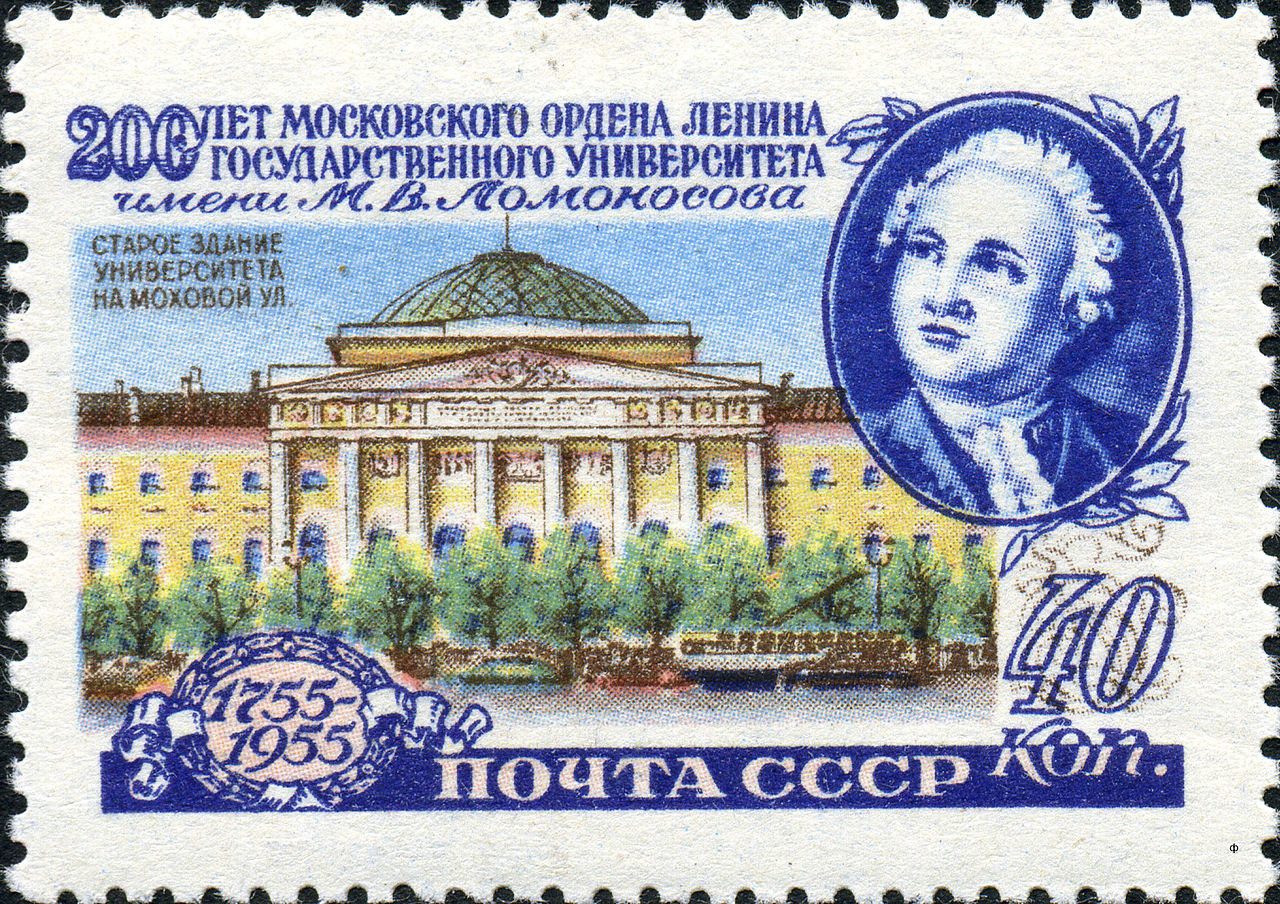
The university traces its origin to initiatives in the mid-18th century and is closely associated with the scientist and polymath Mikhail Lomonosov, after whom the institution is named. Its foundation also involved patrons of education such as Ivan Shuvalov. For information about its Russian name and formal title see the official Russian designation. Over more than two and a half centuries MSU expanded its academic offerings, survived political and social upheavals, and took on a central role in the development of Russian science, arts and professional training. As the oldest university in the country, it is frequently noted in discussions of higher education in Russia and is often described as the largest by student numbers and campus scale (see further details).
Main building and architecture
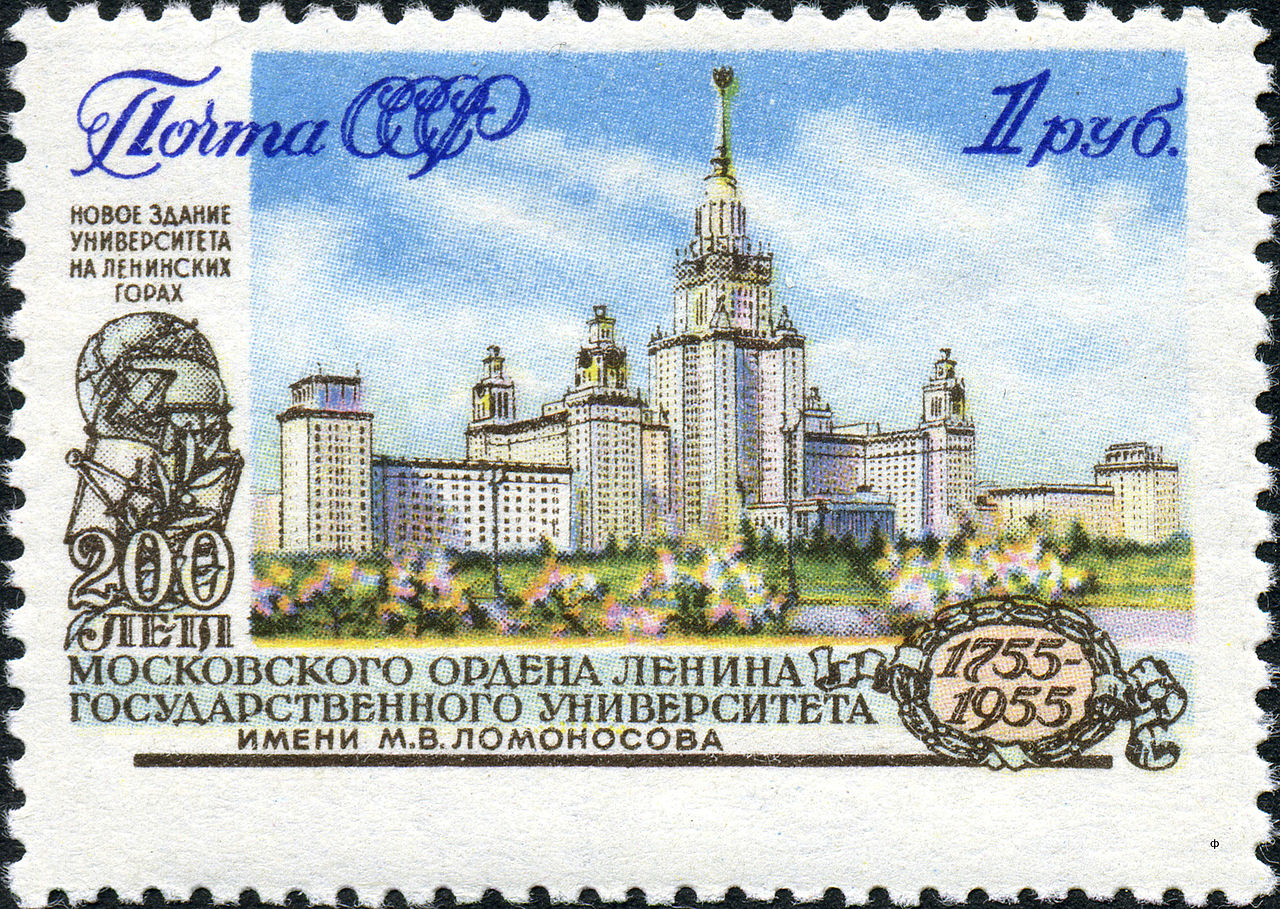
One of MSU's most recognisable features is its main building, an imposing example of postwar Stalinist architecture. Designed by Lev Vladimirovich Rudnev, the tower and its flanking wings were completed in the years following World War II; Rudnev's work on the project brought him state recognition (architect). The central tower rises prominently above the campus: with a high spire capped by a large star it held the distinction of being among the tallest structures outside North America for many years and was long considered the tallest building in Europe until the late 20th century. Contemporary descriptions sometimes compare its scale to prominent international skyscrapers (skyscraper context) and note an historical contrast with towers in New York.
Campus, facilities and layout
The main building houses administrative offices together with lecture halls and several faculties, and is notable for containing an unusually broad range of services under one roof: a concert hall, theatre spaces, museum rooms, a large university library, recreational facilities and practical services (for example a post office and cafeterias). Traditional accounts list thousands of rooms and many kilometres of internal corridors. Four major faculties occupy sections of the main complex alongside staff apartments and student accommodations. Beyond the main tower, MSU maintains numerous other faculty buildings, research institutes, field stations and student hostels distributed across its campus and surrounding districts.
Academic structure and importance
MSU combines undergraduate, graduate and doctoral programs across sciences, humanities, social sciences, and the arts. Its faculties include mathematics and mechanics, physics, biology, geology and geography, along with humanities and professional schools. The university has long been a centre for basic and applied research; many laboratories and specialised institutes affiliated with MSU contribute to national research agendas. The institution also attracts international students and cooperates with foreign partners in research and exchanges.
Notable features and legacy
Beyond its academic output, MSU is known for distinctive architectural symbolism—ornamented facades, large decorative elements and the star-topped spire—and for cultural traditions tied to its long history. The main building's terraces and statues convey an aspirational image that has been part of its public identity. As an educational symbol in Russia, MSU figures prominently in national lists of leading universities and remains a focal point for alumni networks, scientific societies and cultural institutions. For further institutional materials and historical records consult official resources and archives linked from the university pages (founders and origins) and other institutional references (Russian title), (institutional overview), (national context), (architectural sources), (comparative architecture) and (international comparisons).
- Established: 1755 (by Mikhail Lomonosov and supporters)
- Distinctive landmark: the main Stalinist tower and spire
- Campus life: broad mix of faculties, cultural venues and student services
- Role: long-standing centre of Russian higher education and research
Readers seeking detailed institutional statistics, current faculty lists or admissions information should consult official MSU publications and designated university portals for the most up-to-date data.
Related articles
Author
AlegsaOnline.com Moscow State University (Lomonosov Moscow State University) Leandro Alegsa
URL: https://en.alegsaonline.com/art/66831