
Montgomery Clift: Life and Legacy of an American Actor
Biography of Montgomery Clift, an influential American actor known for intense, method-style performances on stage and screen, his major roles, career arc, personal life, and lasting influence.
Montgomery Clift (October 17, 1920 – July 23, 1966) was an American screen and stage performer celebrated for emotionally intense, inward-facing portrayals. He worked in film, television, radio and on Broadway, and became known for a restrained, psychologically driven acting style that influenced later generations of performers. Audiences remember him especially for a string of dramatic films in the late 1940s through the early 1960s, for which he earned four Academy Award nominations during his career. Many accounts note both his professional achievements and the personal struggles that affected his life and work.
Image gallery
8 Images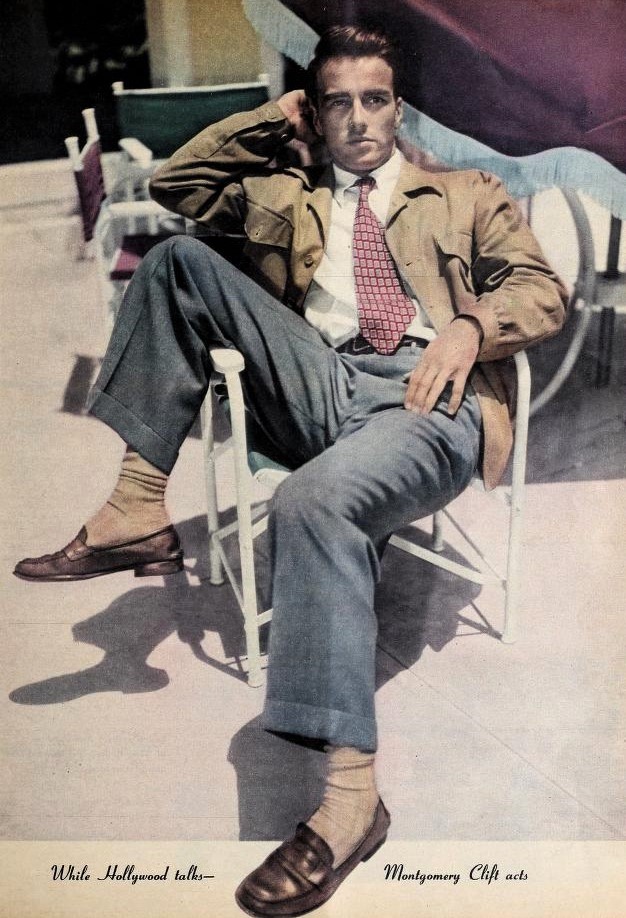
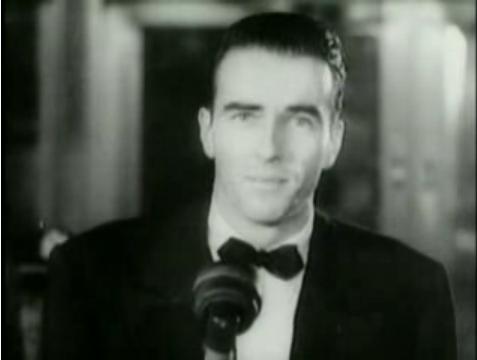



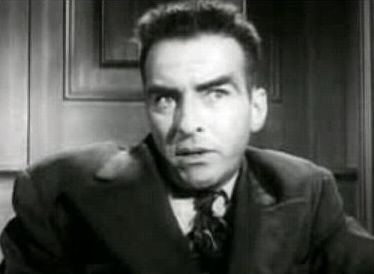
Early life and training
Clift was born in Omaha, Nebraska and spent much of his youth in New York City, where his family lived in the Jackson Heights area of Queens. He made an early start in performing, appearing on Broadway as a teenager and gaining stage experience before moving into movies. His upbringing included connections to an older American political family: one of his ancestors was the 19th-century politician Francis Preston Blair, a fact often mentioned in biographical summaries.
Career highlights and screen persona
Clift's film work is noted for roles that emphasized vulnerability, subdued intensity, and psychological realism. He became a prominent figure in classic American cinema, working with leading directors and co-stars of his era. Among his most frequently cited films are:
- From Here to Eternity
- A Place in the Sun
- The Misfits
- Red River (earlier career role)
- Judgement at Nuremberg (later notable appearance)
He performed alongside such contemporaries as Marlon Brando and shared a long professional friendship with Elizabeth Taylor, who supported him during difficult periods. Critics and historians often cite Clift as an exemplar of the mid-20th-century turn toward method-influenced, interior acting on screen.
Accident, later work, and critical reception
In the mid-1950s Clift suffered a serious car crash that left him physically disfigured and affected his health and career. After the accident he continued to work, taking on significant parts and demonstrating resilience as a performer, though many observers note that the injury and its aftermath changed the types of roles he was offered and his on-screen presence. Despite these challenges he delivered performances that remain respected for their emotional honesty.
Personal life and death
Clift did not marry or have children. His private life included relationships with men at a time when public discussion of sexuality was limited; biographers usually describe him as homosexual and discuss how his orientation intersected with his personal and professional experiences. He died in New York City at the age of 45 from a heart attack associated with coronary artery disease. Friends and colleagues remembered him as a gifted, sensitive actor whose life was cut short.
Legacy and influence
Montgomery Clift is remembered as one of the most distinctive American actors of his generation. His influence is visible in later performers who favored psychological nuance over external bravado. Film historians and acting teachers continue to point to his work as an example of subtle, emotionally truthful screen performance. For further reading about his films, career and critical assessments, see biographies, film retrospectives and archival materials that examine both his artistic achievements and the cultural context in which he worked.
Places and topics connected with his life and career are well documented in many reference sources: his relationship to Francis Preston Blair, his birth in Omaha, Nebraska, his upbringing in Jackson Heights, Queens and later life in New York City, his early start on Broadway, contemporary collaborators like Marlon Brando and Elizabeth Taylor, how his sexuality is treated in accounts of his life (sexuality), and the medical causes associated with his death (heart attack and coronary artery disease).
For curated filmographies, archival clips and scholarly commentary, consult specialized film history collections and actor biographies that explore both Clift's screen legacy and his role in the changing craft of American acting in the mid-20th century. Additional resources are organized by film title, year and collaborating artists for readers seeking a deeper chronological view of his work.
Related articles
Author
AlegsaOnline.com Montgomery Clift: Life and Legacy of an American Actor Leandro Alegsa
URL: https://en.alegsaonline.com/art/66353
Sources
- books.google.com : Montgomery Clift: A Biography
- newyorker.com : "American Dancer"
- nytimes.com : "Montgomery Clift Dead at 45; Nominated 3 Times for Oscar; Completed Last Movie, 'The Defector,' in June Actor Began Career at Age 13"