
Omaha, Nebraska — overview, history, and notable features
Omaha is Nebraska's largest city, a regional economic and cultural center on the Missouri River with a long history in transportation, agriculture, and business.
Omaha is the largest city in the U.S. state of Nebraska and a major urban center along the Missouri River. Located in the eastern part of the state, it serves as a regional hub for commerce, education, and culture. The city grew from a frontier town into a modern metropolitan area and remains central to Nebraska's civic and economic life. For more general information, see Omaha resources.
Image gallery
10 Images


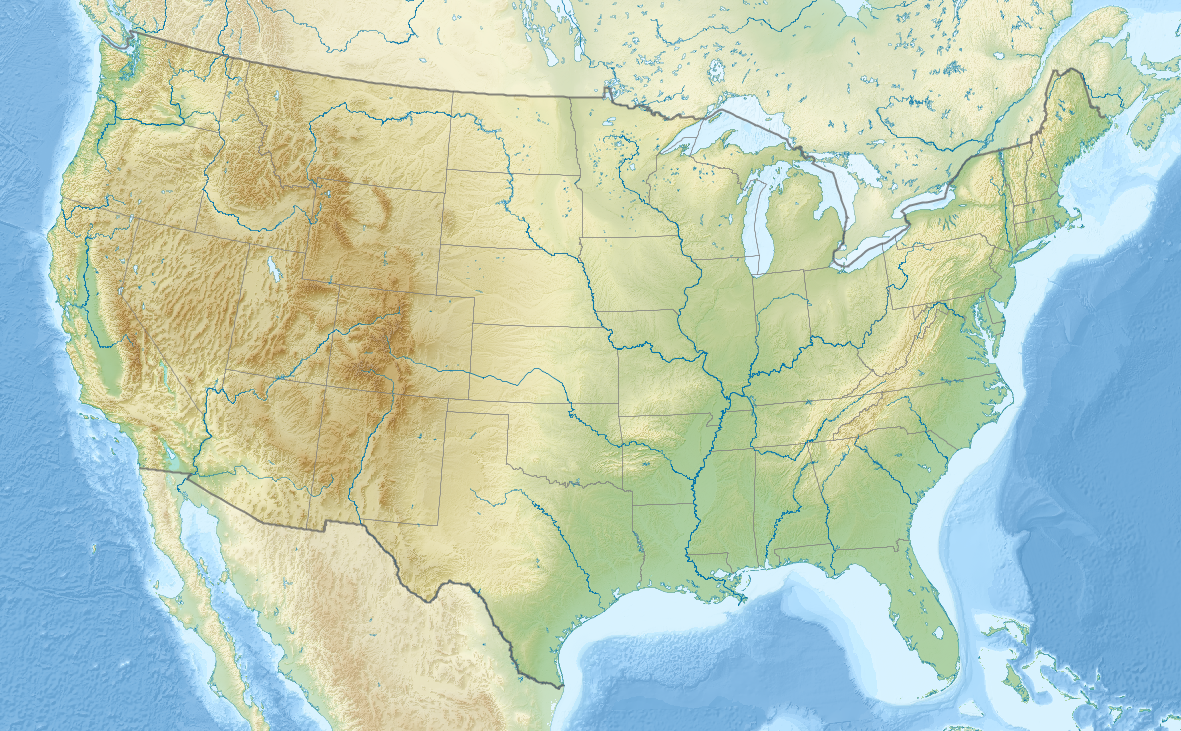


Geography and population
Omaha sits on the west bank of the Missouri River and is the county seat of Douglas County. Its city limits cover a substantial area of eastern Nebraska, and it is the state's most populous city — historically recorded at about 409,000 residents in the 2010 census — with a larger metropolitan population in the surrounding counties. The city's location made it an early transportation and logistics node for the Plains.
History and origins
The place takes its name from the Omaha people, a Native American nation long associated with the region. European-American settlement accelerated in the mid-19th century, with Omaha incorporated as a city and growing rapidly because of river traffic, rail connections, and nearby agricultural resources. Its development is tied to westward expansion and the rise of stockyards and meatpacking in the late 19th and early 20th centuries. For historical references, consult regional history.
Economy, institutions, and culture
Today Omaha hosts a diverse economy including finance, transportation, manufacturing, and technology. It is known as the headquarters of several major firms and is associated with well-known investors and philanthropists. Cultural institutions, professional theaters, universities and a prominent zoo contribute to city life. Visitors and researchers can find official and civic information at Omaha civic resources.
Attractions and neighborhoods
- Historic districts and riverfront redevelopment, including pedestrian and park spaces.
- Entertainment and dining areas featuring local cuisine and marketplaces.
- Civic and educational centers such as museums, colleges, and performance venues.
For travel planning, local guides and event listings are useful; see visitor guides for schedules and highlights.
Notable distinctions include its riverfront setting, role as Nebraska's largest city, and a history that reflects both Native American presence and later immigrant and industrial waves. Omaha continues to balance historic neighborhoods with contemporary growth and regional influence.
Related articles
Author
AlegsaOnline.com Omaha, Nebraska — overview, history, and notable features Leandro Alegsa
URL: https://en.alegsaonline.com/art/72481
Sources
- factfinder.census.gov : "American FactFinder"