
Montserrat Caballé: Spanish soprano renowned for bel canto and dramatic versatility
Catalan operatic soprano Montserrat Caballé (1933–2018) was celebrated for her expansive range, refined bel canto technique, wide repertoire and influential recordings, including a famous crossover with Freddie Mercury.
Overview
Montserrat Caballé (12 April 1933 – 6 October 2018) was a Catalan operatic soprano who achieved international renown for the purity of her tone, exceptional breath control and stylistic versatility. During a career that spanned several decades she performed at many of the world’s leading opera houses and concert halls, recording extensively and earning a reputation as one of the most admired interpreters of 19th-century Italian opera and bel canto.
Image gallery
7 Images


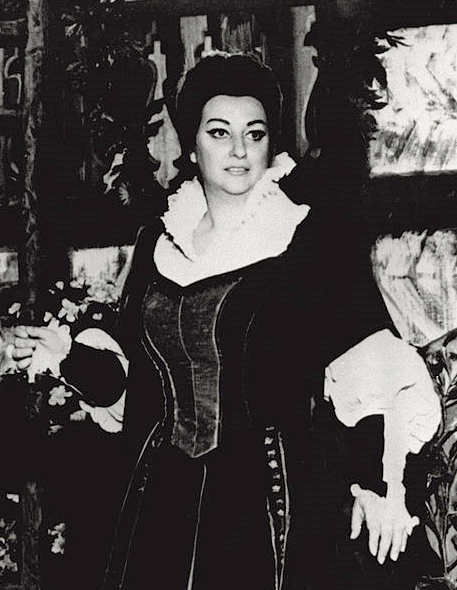
Voice and repertoire
Caballé’s voice combined an unusually wide range with the ability to shape long, sustained phrases and to deliver very soft, controlled pianissimo — qualities prized in bel canto singing. She was associated with works by Bellini and Donizetti and was equally at home in parts from Verdi and the verismo tradition. Her technique emphasized legato, dynamic nuance and careful attention to text and line, making her performances models of classical vocal craft.
Career and recordings
After training in Barcelona and beginning her professional life on the regional stage, Caballé went on to appear across Europe, North America and beyond. She recorded both studio and live performances, leaving a substantial discography of operas, recitals and concert appearances. Her recordings are frequently cited by singers and teachers as demonstrations of bel canto style and vocal control. For a concise overview of her life and work see biographical resources.
Notable repertoire
- Bel canto roles and works by Bellini and Donizetti
- Key parts from Verdi and Puccini
- Selections from the verismo repertory and concert arias
Cross-genre work and public recognition
Beyond the opera house, Caballé reached a broader audience through a high-profile crossover collaboration that remains widely known and introduced many non‑opera listeners to her voice. She also gave masterclasses and participated in cultural events in her native Catalonia and internationally. More on her performances and public appearances can be found at performance archives and selected recordings are listed at discography sites.
Legacy
Caballé’s influence endures through her recordings and the singers who cite her as an exemplar of bel canto technique. Critics and enthusiasts continue to study her phrasing, control and interpretive choices. Though best remembered for a particular repertoire and tonal elegance, her artistry is also noted for dramatic intelligence and a commitment to musical line, qualities that secure her place in 20th‑century operatic history.
Questions and answers
Q: Who was Montserrat Caballé?
A: Montserrat Caballé was a Spanish (Catalan) operatic soprano.
Q: What made Montserrat Caballé one of the greatest opera singers of the 20th century?
A: Montserrat Caballé's wide variety of roles and her particular association with the bel canto repertoire made her one of the greatest opera singers of the 20th century.
Q: What type of repertoire was Montserrat Caballé particularly associated with?
A: Montserrat Caballé was particularly associated with the bel canto repertoire.
Q: What was Montserrat Caballé considered as in the bel canto repertoire?
A: Montserrat Caballé was considered as one of the finest modern examples in the bel canto repertoire.
Q: What was the range of Montserrat Caballé's voice?
A: Montserrat Caballé had a voice of great range.
Q: When was Montserrat Caballé born and when did she pass away?
A: Montserrat Caballé was born on 12th April 1933 and she passed away on 6th October 2018.
Q: Which century was Montserrat Caballé one of the greatest opera singers?
A: Montserrat Caballé was one of the greatest opera singers of the 20th century.
Related articles
Author
AlegsaOnline.com Montserrat Caballé: Spanish soprano renowned for bel canto and dramatic versatility Leandro Alegsa
URL: https://en.alegsaonline.com/art/66497