
Marlon Brando: life, career, and influence
Comprehensive encyclopedia entry on Marlon Brando — American actor and director, his major films, acting style, awards, activism, and legacy. Covers key roles, methods, and final years.
Overview
Marlon Brando Jr. (April 3, 1924 – July 1, 2004) was an American actor and occasional film director whose naturalistic performances transformed mid‑20th century screen acting. He rose from New York stage work to become one of the most influential performers in cinema, widely credited with popularizing method acting techniques on film.
Image gallery
10 Images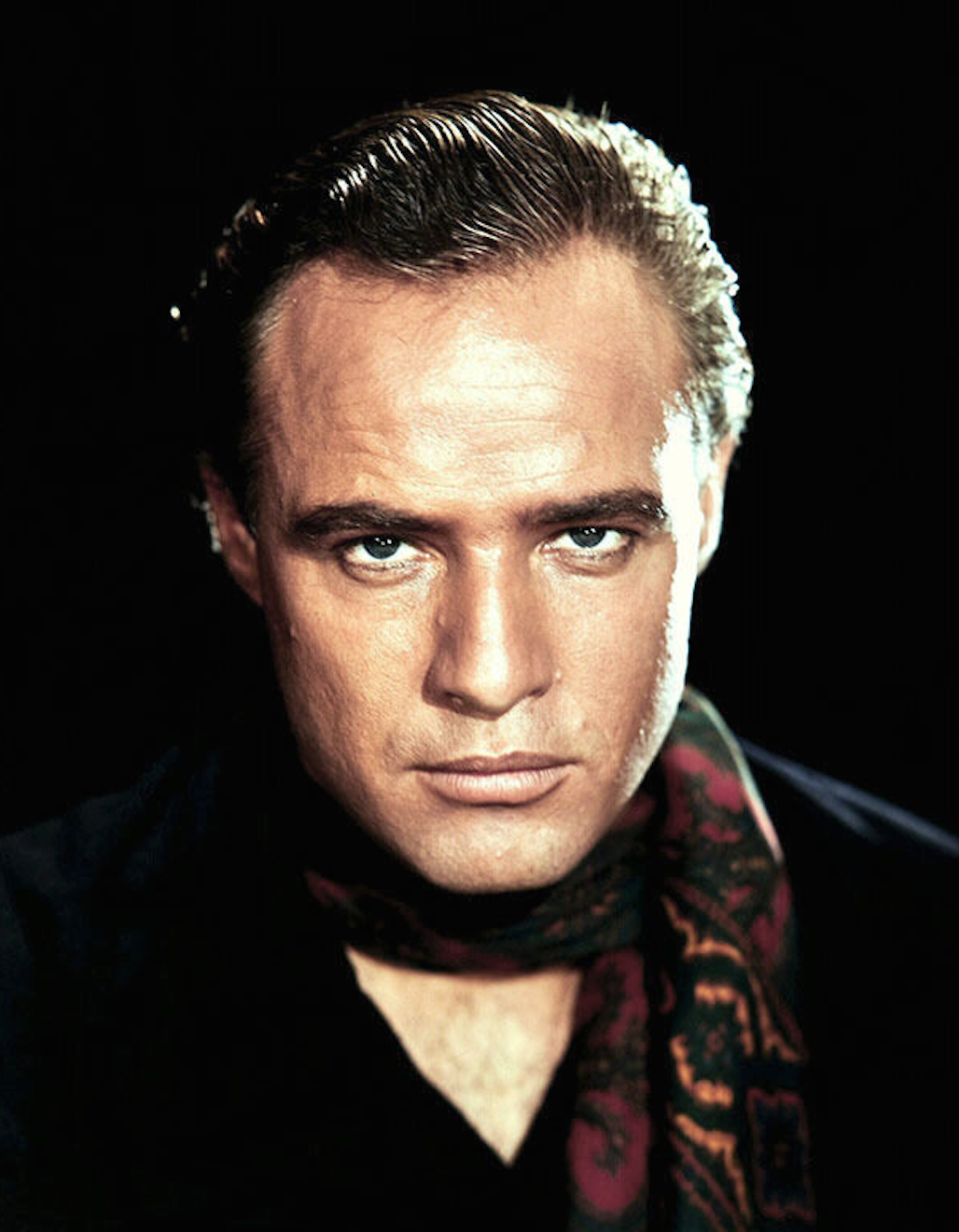


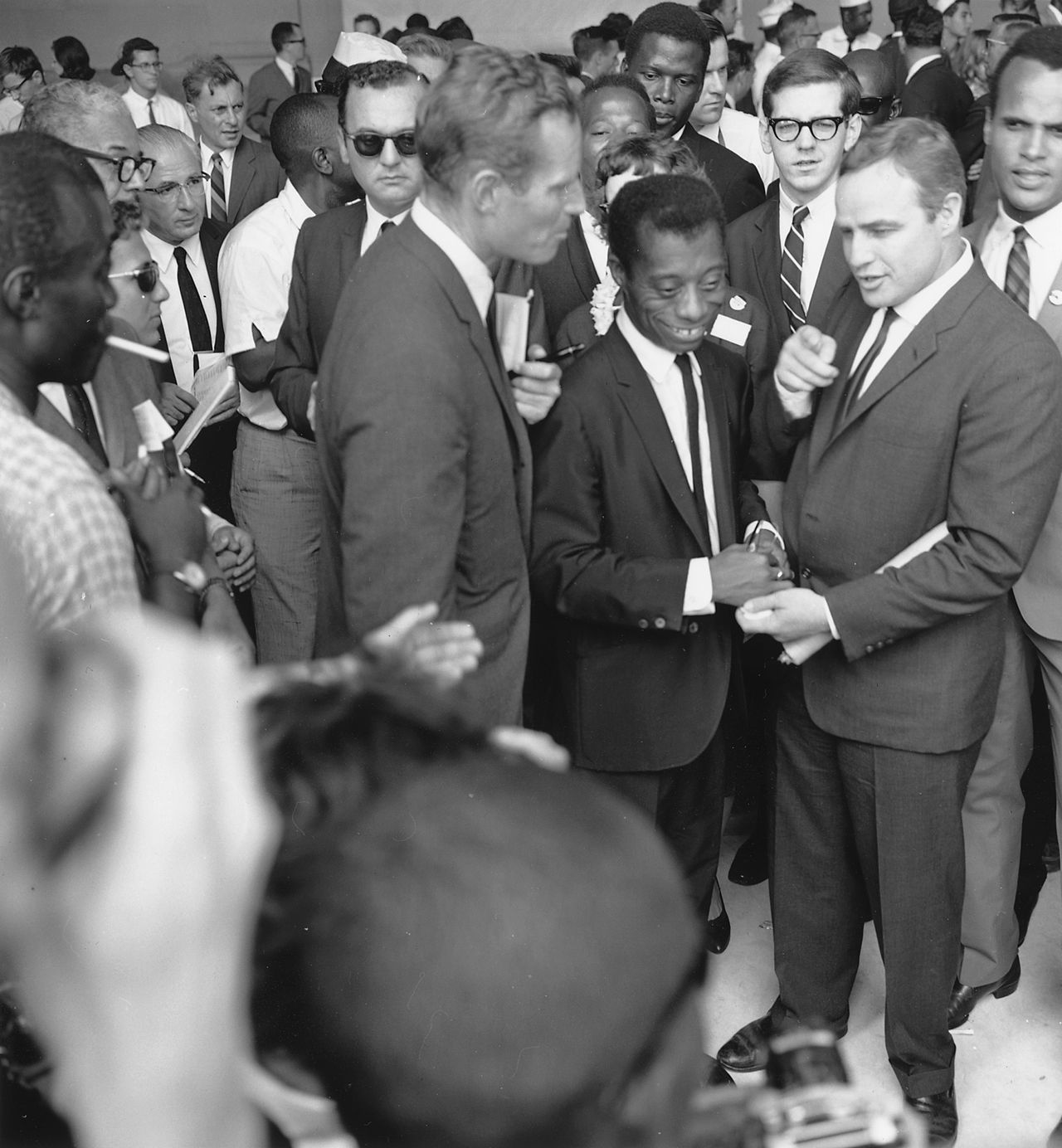


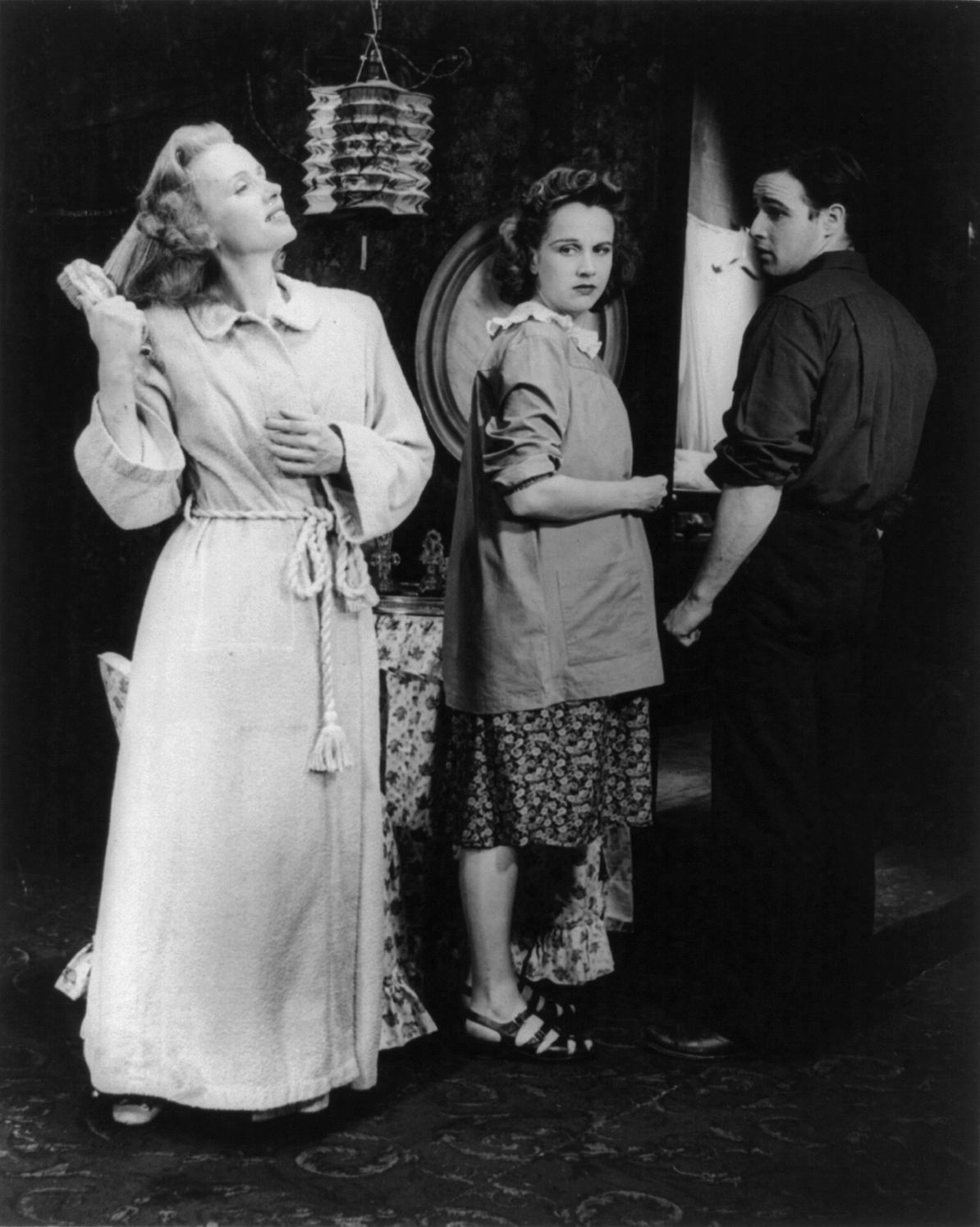

Career and major roles
Brando first drew wide attention on stage in Tennessee Williams's A Streetcar Named Desire and recreated that role in the 1951 film adaptation, a breakthrough that led to a string of important screen parts. His early persona as a brooding outsider is visible in films such as A Streetcar Named Desire (1951) and The Wild One (1953). He won critical acclaim and an Academy Award for Best Actor for On the Waterfront (1954), and later earned another Oscar for his portrayal of Vito Corleone in The Godfather (1972), an award he declined in a highly publicized protest.
Acting style and influence
Trained in the techniques associated with the Actors Studio, Brando favored emotional truth and improvisation over theatrical polish. His relaxed, interior approach contrasted with earlier star types and influenced generations of actors. Directors and co‑stars often remarked on his ability to suggest depth with small gestures, and his presence reshaped casting and audience expectations.
Notable films and later work
- A Streetcar Named Desire (1951) — stage‑to‑screen success that established him.
- The Wild One (1953) — a symbol of postwar youth rebellion.
- On the Waterfront (1954) — earned his first Oscar.
- The Godfather (1972) — iconic role of Vito Corleone.
- Superman (1978) — a cameo as Jor‑El.
- Apocalypse Now (1979) — memorable, unconventional turn as Colonel Kurtz.
- The Island of Dr. Moreau (1996) — one of several late‑career, troubled productions.
Activism, awards and public life
Beyond acting, Brando took stands on political and social issues. He supported civil‑rights causes and drew attention to Native American grievances in a widely noted 1973 Academy Awards incident when a representative spoke on his behalf as he refused the trophy. His honors include two Academy Awards for Best Actor, several nominations, and a lasting reputation as a central figure of American film history.
Health, death and legacy
In later decades Brando's career was uneven but his influence remained. He died at the Ronald Reagan UCLA Medical Center on July 1, 2004, after respiratory failure associated with pulmonary fibrosis and congestive heart problems; reports list the death at Ronald Reagan UCLA Medical Center and mention respiratory failure as the immediate cause. His performances continue to be studied for their emotional honesty and technical innovation, and film historians cite him as a turning point between classical star acting and modern screen realism.
For further reading on roles and filmography see curated sources and archives: selected roles and credits, professional retrospectives at institutional collections actor biographies, and detailed production notes for individual films at specialized repositories director and production records. Additional commentary and contemporary reactions appear in film journals and documentary retrospectives On the Waterfront, The Godfather, and Apocalypse Now.
Related articles
Author
AlegsaOnline.com Marlon Brando: life, career, and influence Leandro Alegsa
URL: https://en.alegsaonline.com/art/62171