
Mont Blanc (Monte Bianco)
Mont Blanc is the highest peak of the Alps, straddling the France–Italy border. A landmark of European mountaineering, it is known for its glaciers, alpine history, and year‑round outdoor recreation.
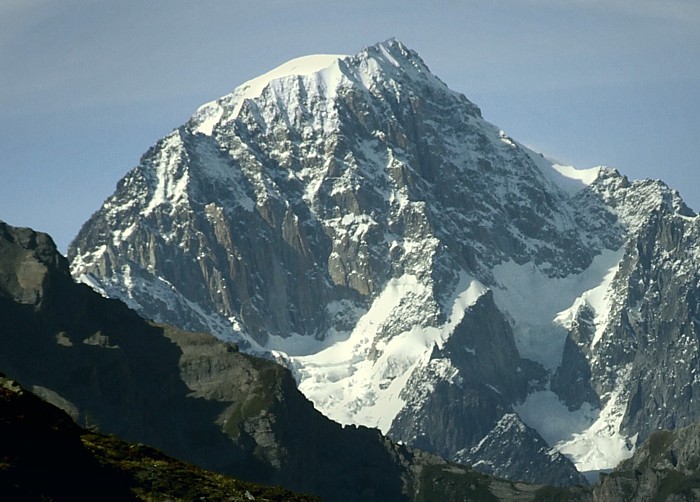
Mont Blanc, also called Monte Bianco, is a prominent mountain in the Alps. Its summit elevation is commonly given as 4810.90 metres (surveyed height), though measurements vary slightly over time because of snow and ice. When peaks of the Mount Elbrus range in the Caucasus are excluded, Mont Blanc is often regarded as the highest point in Western Europe.
Image gallery
10 Images






Location and physical characteristics
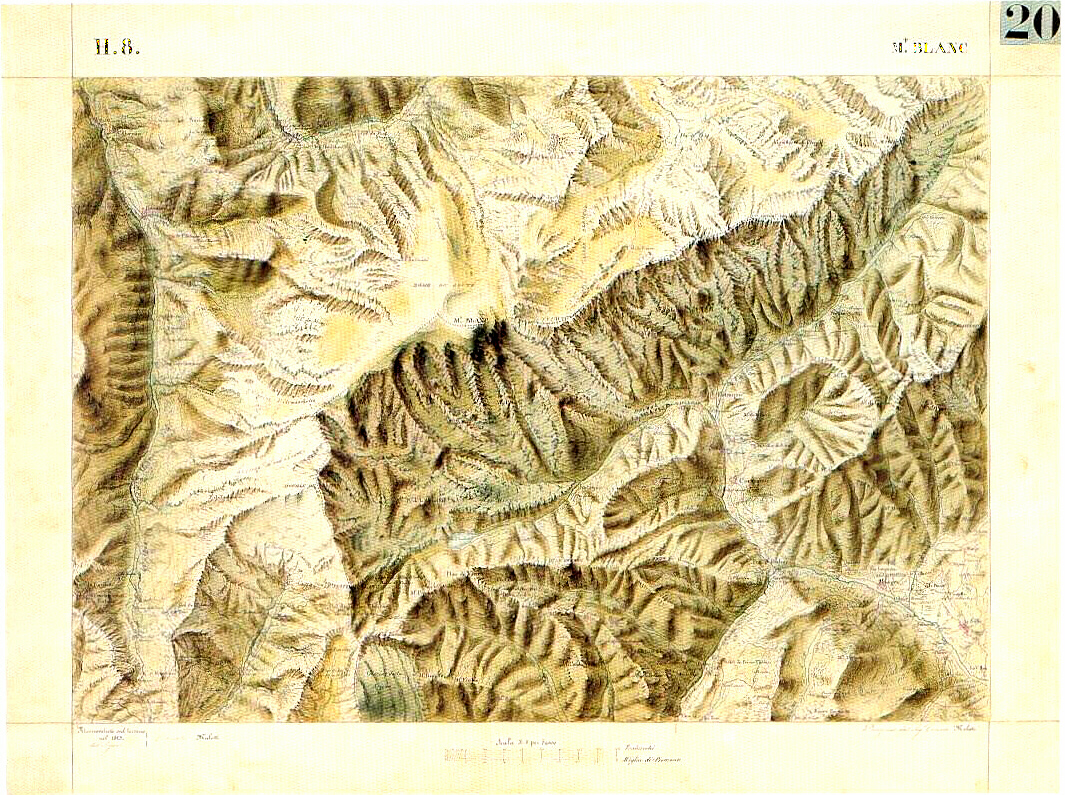
The mountain sits on the border between Italy and France, forming the core of the Mont Blanc massif. Its flanks host extensive glaciers, steep ridges and large elevation differences between valley floors and the summit. The massif combines granite summits with snowfields and glacial valleys, creating varied terrain that changes with the seasons.
History and human connection
Mont Blanc occupies an important place in the history of alpinism. The first recorded ascent of the summit in the modern era marked the start of systematic mountaineering and exploration in the late 18th century. Since then the mountain has attracted climbers, scientists and tourists. Nearby towns developed guiding services, refuges and transportation to support visitors and researchers.
Uses, recreation and accessibility
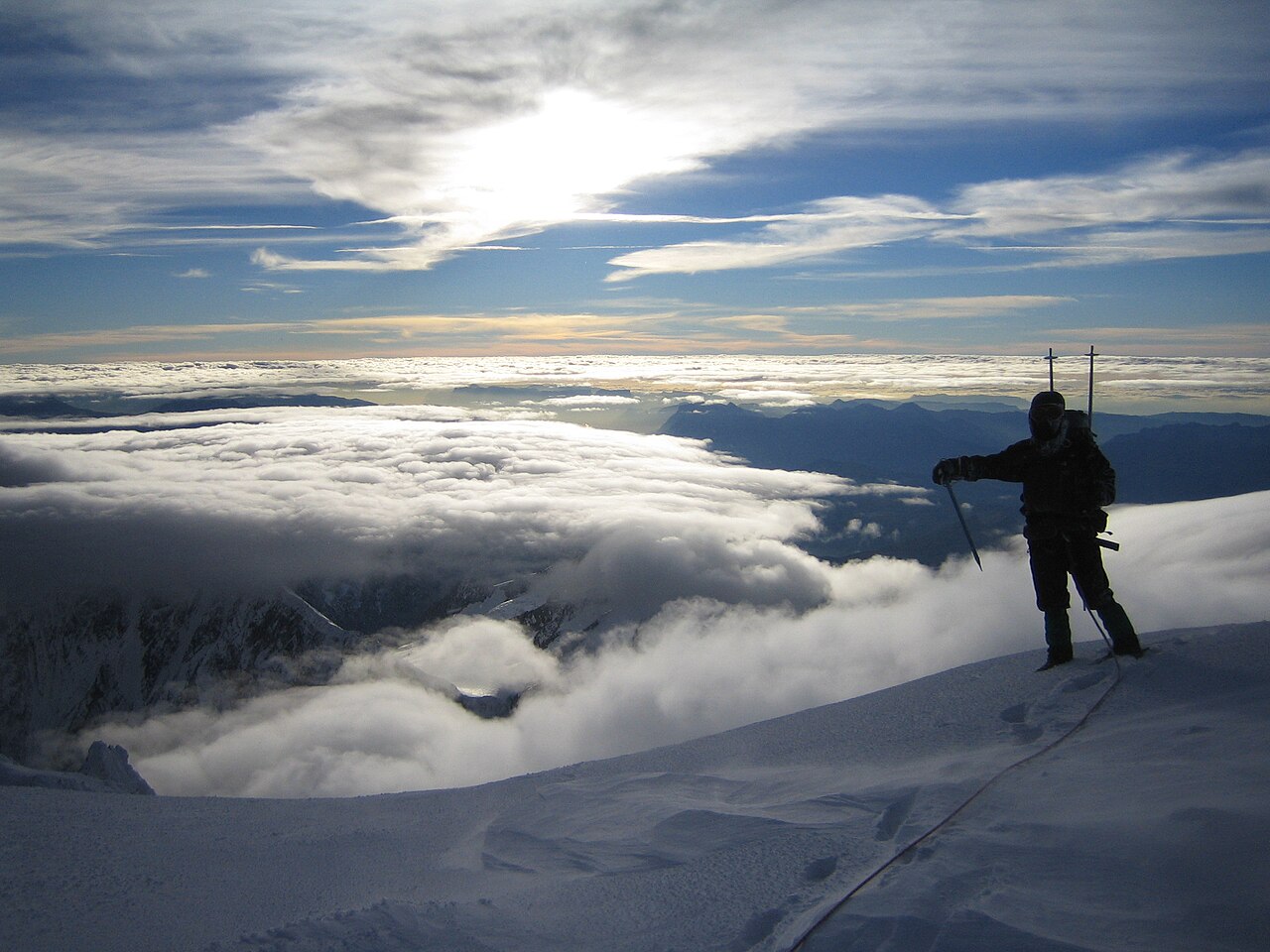
The massif is a major destination for mountaineering, ski touring, hiking and alpine research. Classic climbing routes, cable cars and mountain huts provide access for a wide range of abilities, from guided summit attempts to lower‑altitude hikes. The area also includes important transport links and infrastructure that connect valleys on either side of the range.
Notable facts and contemporary issues
- Height and measurements: summit elevation is periodically remeasured; snow and ice depth cause small changes over time.
- Border and administration: the exact summit boundary between the two countries is sometimes discussed, but the massif is managed through cross‑border cooperation.
- Environmental concerns: like many alpine regions, Mont Blanc’s glaciers and permafrost are affected by long‑term warming, which alters climb routes and landscape stability.
- Cultural significance: the mountain has inspired art, literature and the development of mountaineering techniques and rescue services.
For further reading on its names, measurements and regional role see related resources linked here: local names, Alpine context, and surveys of height and routes (measurements). Additional background on comparative peaks and geography is available via references to Mount Elbrus and the Caucasus.
Related articles
Author
AlegsaOnline.com Mont Blanc (Monte Bianco) Leandro Alegsa
URL: https://en.alegsaonline.com/art/66196
Sources
- pf.nhk-ep.co.jp : "Mont Blanc: White Queen of the Alps -- France, 4,810 m"