
Monte Cristi Province
Monte Cristi Province is a coastal region in the northwest of the Dominican Republic. The capital is San Fernando de Monte Cristi (commonly Monte Cristi), known for its dry coast, mangroves, salt flats and historic port.
Overview
Monte Cristi Province occupies a portion of the northwestern coast of the Dominican Republic. Its administrative capital is San Fernando de Monte Cristi, usually shortened to Monte Cristi; the name sometimes appears as the single word Montecristi. The province combines a low coastal plain with distinctive limestone features and a maritime heritage. For a general map and administrative details see Monte Cristi Province and for national context visit Dominican Republic.
Image gallery
8 Images




Geography and climate
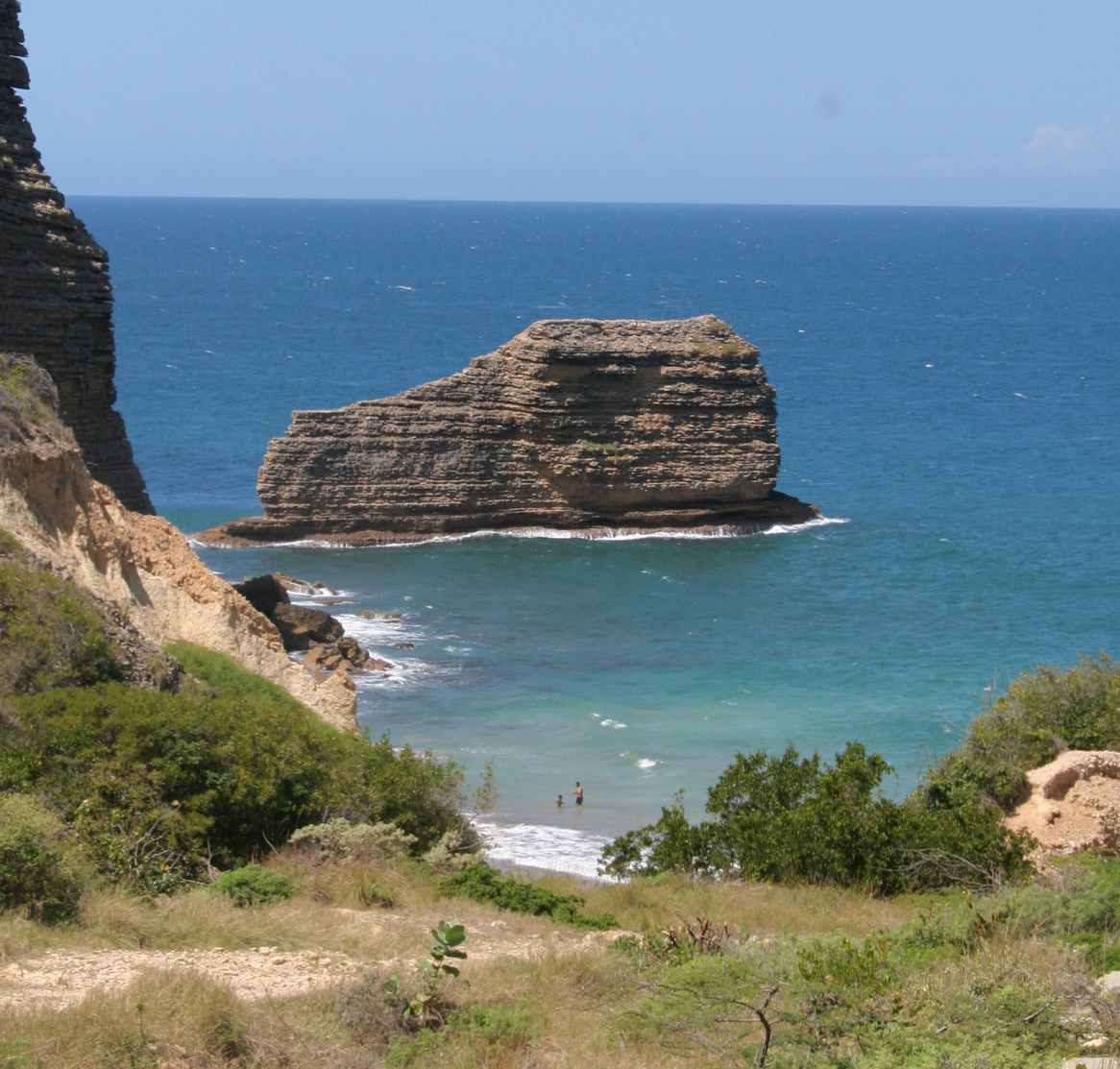
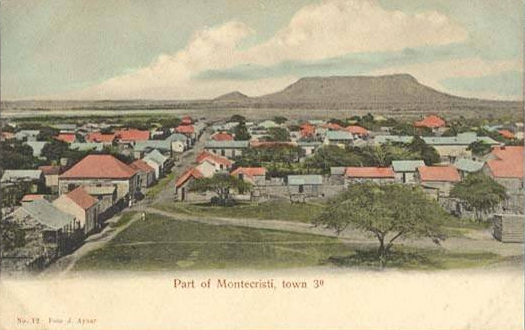
The landscape is dominated by a flat, often arid coastal plain backed by low hills. A prominent limestone headland known locally as El Morro rises near the town and marks one of the province's most recognisable landmarks. The climate is typically semi‑arid to dry tropical along the shore, with stronger humidity and mangrove wetlands in estuaries where rivers meet the Atlantic.
Environment and natural features
Salt flats, coastal lagoons and mangrove stands are important habitats in the province. These zones support fisheries and attract migratory and resident bird species, making parts of the coast popular with birdwatchers and naturalists. Vegetation tends toward drought‑tolerant scrub and dry forest away from the immediate shoreline.
History and cultural notes
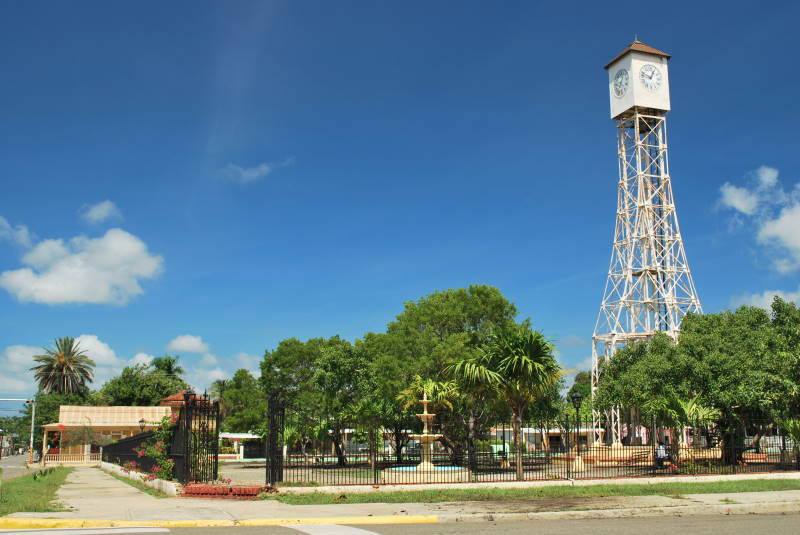
Monte Cristi developed as a colonial‑era port and trading centre. Over time it became associated with maritime commerce, fishing and regional agriculture. The town has an older core of colonial and 19th‑century buildings that reflect its historic role as a local administrative and commercial hub.
Economy and tourism
The province's economy mixes small‑scale agriculture, fishing, salt production and services. Tourism is modest but growing: visitors come for beaches, birdwatching, the distinctive coastal scenery and the historic waterfront. Local crafts and seafood restaurants are part of the visitor experience.
Administration and access
Monte Cristi is divided into municipalities and municipal districts governed from the provincial capital, San Fernando de Monte Cristi. Road links connect the province to inland cities and to neighbouring provinces; a small port and coastal infrastructure support fishing and local trade. The province's combination of natural habitats and cultural heritage gives it a distinct profile within the northwest of the country.
- Key landscapes: coastal plain, El Morro, mangroves and salt flats
- Main activities: fishing, agriculture, salt extraction and niche tourism
- Visitor interests: birdwatching, historic townscape and coastal scenery
Questions and answers
Q: Where is Monte Cristi located?
A: Monte Cristi is a province located in the north-west of the Dominican Republic.
Q: What is the capital city of Monte Cristi?
A: The capital city of Monte Cristi is San Fernando de Monte Cristi, usually referred to simply as Monte Cristi.
Q: Is there an alternative spelling for Monte Cristi?
A: Yes, it can also be spelled as "Montecristi".
Q: How many provinces are there in the Dominican Republic?
A: There are 31 provinces in total in the Dominican Republic.
Q: What other cities are located within the province of Monte Cristi?
A: Other cities located within the province of Monte Cristi include Manzanillo, La Mata and El Peñón.
Q: What type of terrain does the region have?
A: The region has a mostly flat terrain with some hills and mountains near its borders.
Related articles
Author
AlegsaOnline.com Monte Cristi Province Leandro Alegsa
URL: https://en.alegsaonline.com/art/66288
Sources
- one.gob.do : "División Territorial 2012"
- censo2010.one.gob.do : "IX Censo Nacional de Población y Vivienda 2010"
- one.gob.do : "División Territorial 2015"
- one.gob.do : "REPÚBLICA DOMINICANA: Población por año calendario, según sexo y grupos quinquenales de edad, 2015-2020"
- geonames.org : "San Fernando de Monte Cristi"