
Mont Mézenc: high volcanic summit on the Ardèche–Haute-Loire border
Mont Mézenc is a prominent volcanic summit in the Massif Central, straddling Ardèche and Haute-Loire; notable for twin summits, upland habitats and protection within the Parc naturel régional des Monts d'Ardèche.
Mont Mézenc is a prominent mountain in central France, forming the highest point of both the departments of Ardèche and Haute-Loire. It belongs to the Massif du Mézenc (part of the local massif), itself within the broader volcanic highlands of the Massif Central, in the Auvergne-Rhône-Alpes region. The summit area lies inside the boundaries of the Parc naturel régional des Monts d'Ardèche, a landscape of ecological and cultural interest.
Image gallery
6 Images

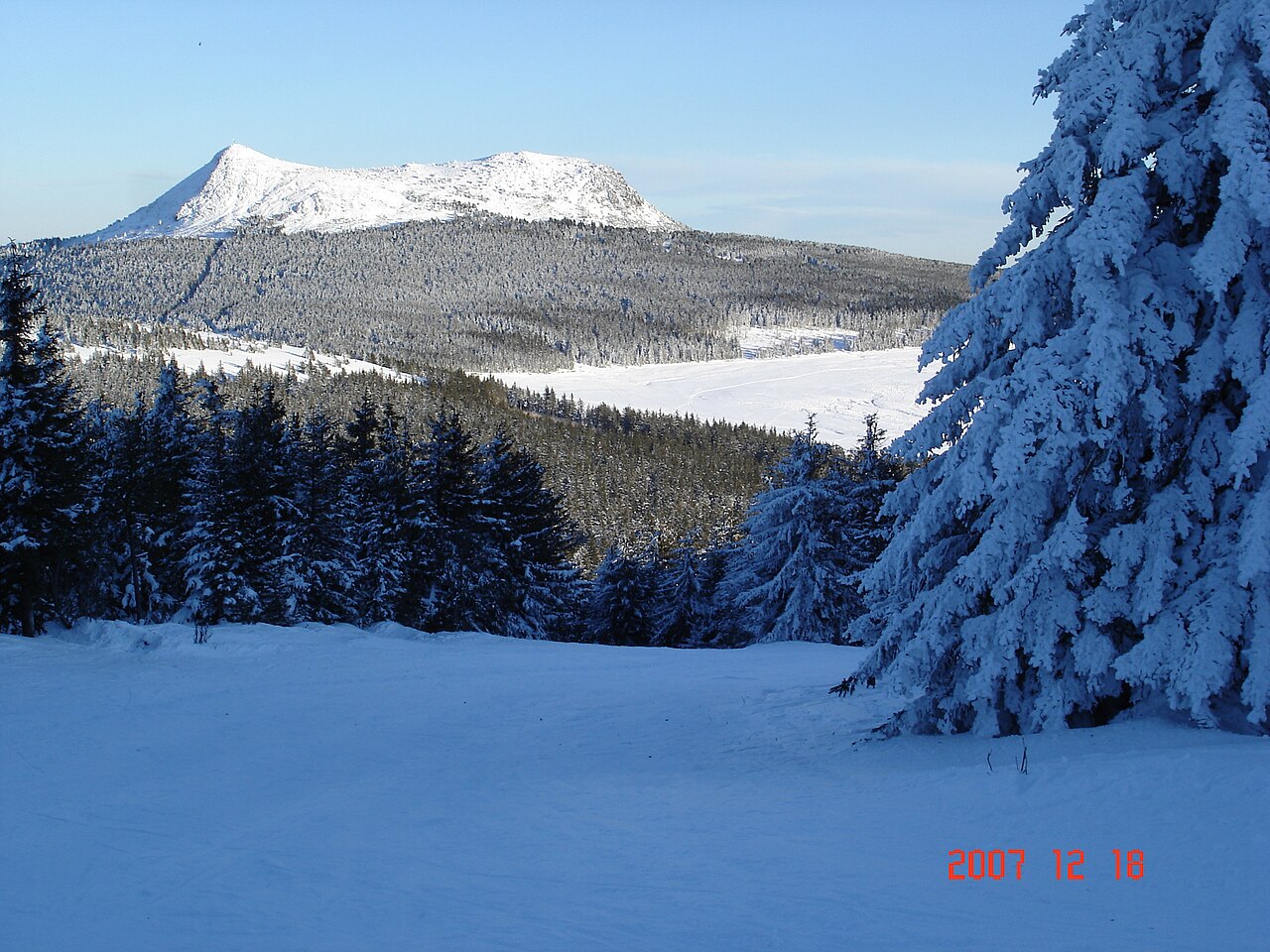


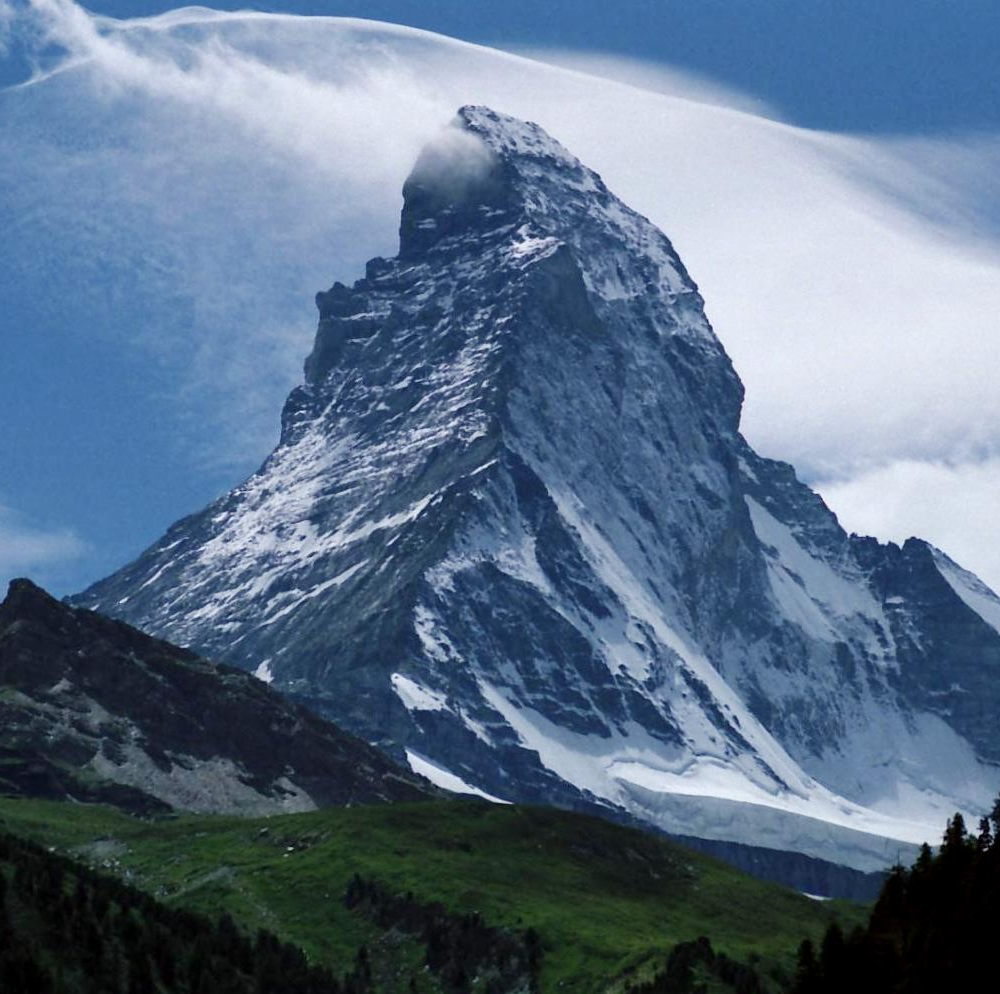
Overview and summits
Mont Mézenc is notable for its twin summits: a southern top that lies principally in Ardèche and a northern top on the Haute-Loire side. These nearby peaks rise above a high plateau and are a well-known landmark visible from many points across the surrounding uplands. The open summit areas provide broad panoramas of the Massif Central; on clear days visitors can see distant ridgelines and the patchwork of valleys below.
Geology and landscape
The mountain reflects the volcanic origins of much of the Massif Central. Its form and surface are the result of ancient volcanic activity followed by long-term weathering and erosion, producing rounded domes, rocky outcrops and plateaus rather than sharp alpine ridges. Near the tops the terrain alternates between grassy expanses, heath and exposed volcanic rock, while lower slopes support pastures and mixed woodlands.
Climate, flora and fauna
The upland climate is generally cool and can be exposed and windy, with significant seasonal variation. Vegetation includes montane grasslands, heathland species and pockets of woodland on sheltered slopes. These habitats support a variety of birds, insects and small mammals adapted to upland conditions; traditional grazing regimes have shaped the flora and maintained open habitats that are valuable for biodiversity.
Human use, culture and protection
Mont Mézenc and its surroundings have long been used for pastoralism: summer pastures and seasonal livestock movements remain part of the cultural landscape. The area's natural and cultural values are managed under regional conservation policies, and the mountain lies within the regional natural park, which promotes sustainable agriculture, nature protection and visitor information. Local communities maintain traditional practices and celebrate regional heritage linked to the uplands.
Recreation and access
The mountain is popular with walkers, nature watchers and those seeking panoramic views. Marked trails of varying difficulty link the summits with nearby villages and trailheads; in winter some routes are used for snowshoeing and cross-country skiing when snow cover allows. Local towns and departmental services provide visitor information and access points for safe outings, and guided activities can be found through official channels.
Notable facts and references
- Mont Mézenc marks the highest point of two departments, a distinctive administrative and geographic feature.
- It sits within the named Massif du Mézenc and the wider Massif Central volcanic area.
- Protection under the Parc naturel régional des Monts d'Ardèche helps preserve traditional pastoral landscapes and biodiversity.
- Practical and tourist information is maintained by departmental services and local guides; consult resources for departments and regional portals (Mont Mézenc resources) for maps and visitor advice.
For further reading and practical guidance, regional park materials and local tourist offices remain the most reliable sources. Official conservation programmes and regional authorities provide updated information on access, events and habitat management in the Auvergne-Rhône-Alpes region.
Questions and answers
Q: Where is Mont Mézenc located?
A: Mont Mézenc is located in the Massif Central in the Auvergne-Rhône-Alpes region of France, on the border of the Ardèche and Haute-Loire departments.
Q: What is the highest mountain in both the Ardèche and Haute-Loire departments?
A: Mont Mézenc is the highest mountain in both the Ardèche and Haute-Loire departments.
Q: What is the name of the regional park that Mont Mézenc is in?
A: Mont Mézenc is in the "Natural regional park of the Mountains of Ardèche" (French: Parc naturel régional des Monts d'Ardèche).
Q: Is Mont Mézenc a popular tourist destination?
A: It is not clear from the text whether Mont Mézenc is a popular tourist destination or not.
Q: What is the Massif du Mézenc?
A: The Massif du Mézenc is a mountain range in the Massif Central of France.
Q: What other departments are located in the Massif du Mézenc?
A: It is not clear from the text which other departments, if any, are located in the Massif du Mézenc.
Q: What region of France is Mont Mézenc in?
A: Mont Mézenc is in the Auvergne-Rhône-Alpes region of France.
Related articles
Author
AlegsaOnline.com Mont Mézenc: high volcanic summit on the Ardèche–Haute-Loire border Leandro Alegsa
URL: https://en.alegsaonline.com/art/66202
Sources
- peakbagger.com : "Mont Mézenc, France"
- altituderando.com : "Mont Mézenc (1753m)"
- mezencloiresauvage.com : "Le Mézenc - Mézenc et Gerbier, vacances randonnées sur le Chemin de Stevenson (GR70) : Mézenc Loire Sauvage"